
Een reis naar Toscane is niet compleet zonder een bezoek een één van de grootste en mooiste kastelen in de regio, het Rocca di Pierle in het gebied van Cortona, naast het dorp Pierle. De ruïnes van deze grandioze structuur, met veel van de muren nog intact, kijken uit over Val di Pierle. Bezoekers kunnen de structuur van dichtbij bekijken en verblijven in één van de vele boerenwoningen in de omgeving van Cortona voor een dag of twee, zodat u dit geweldige gebied kunt verkennen waar u een goede selectie aan historische en culturele activiteiten vindt.
Villa Monnalisa
Onafhankelijk Vakantiehuis met zwembad, WIFI, airco, TV, patio, panorama, parking, dichtbij Perugia
Beschrijving
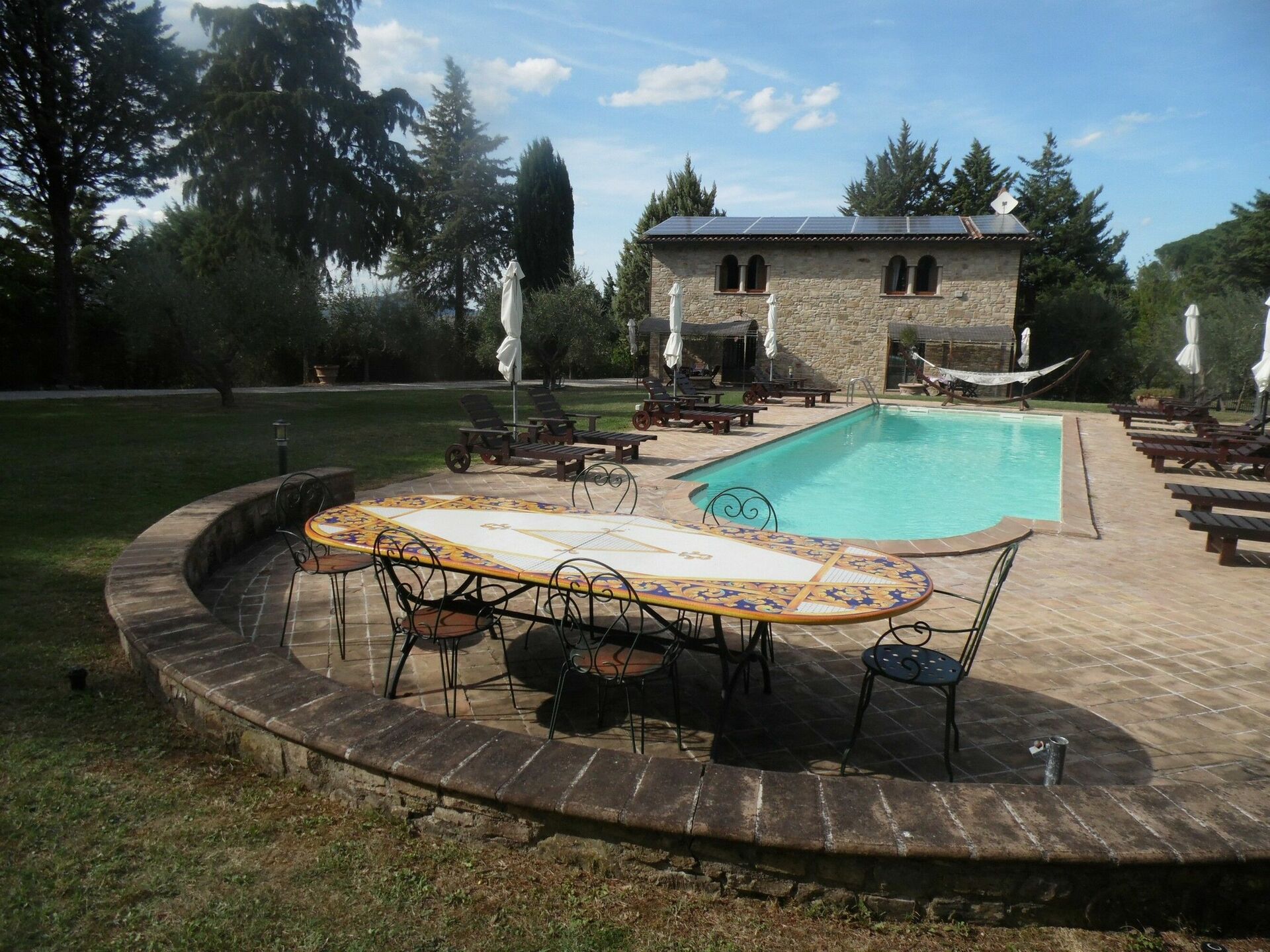
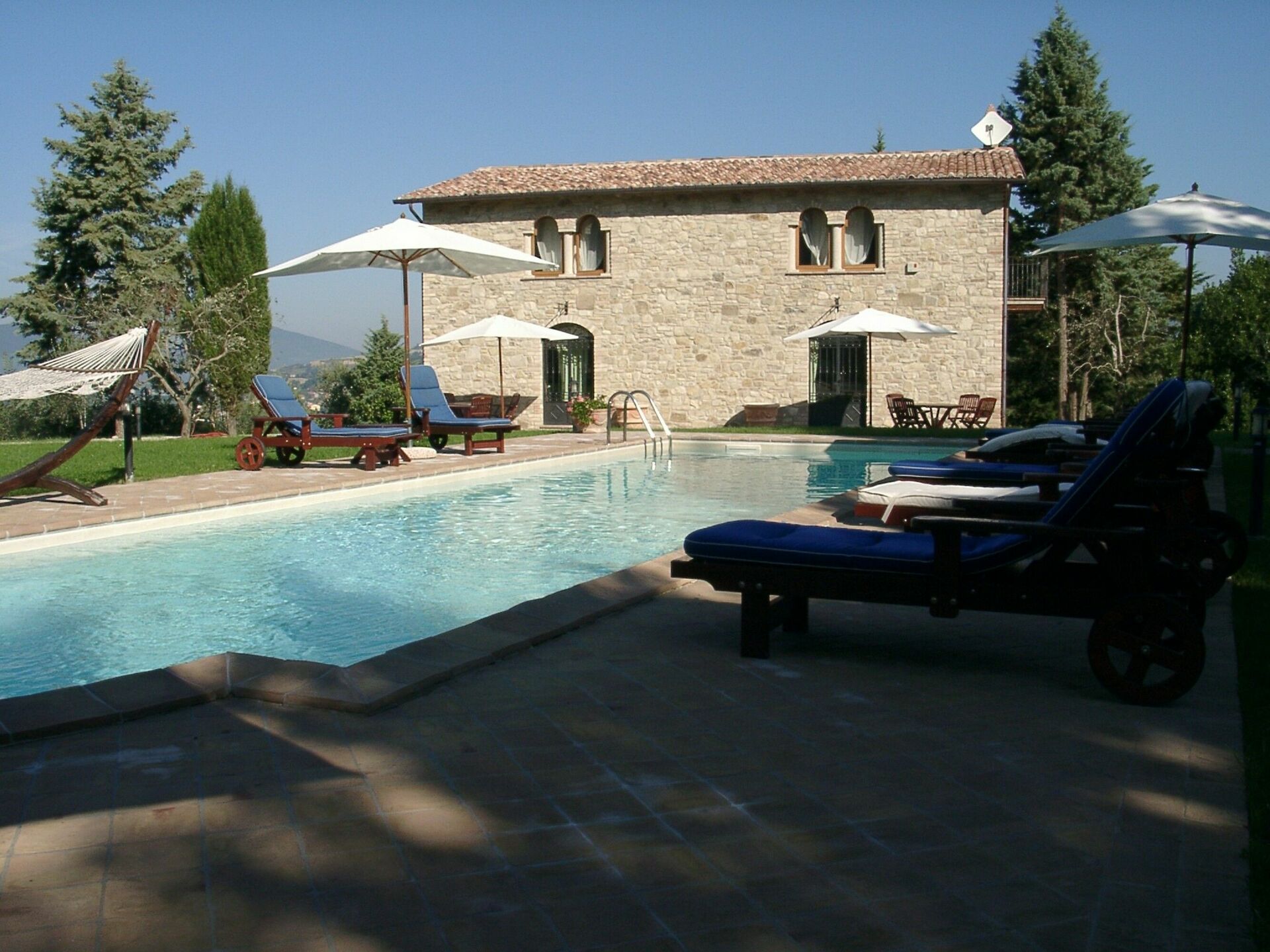
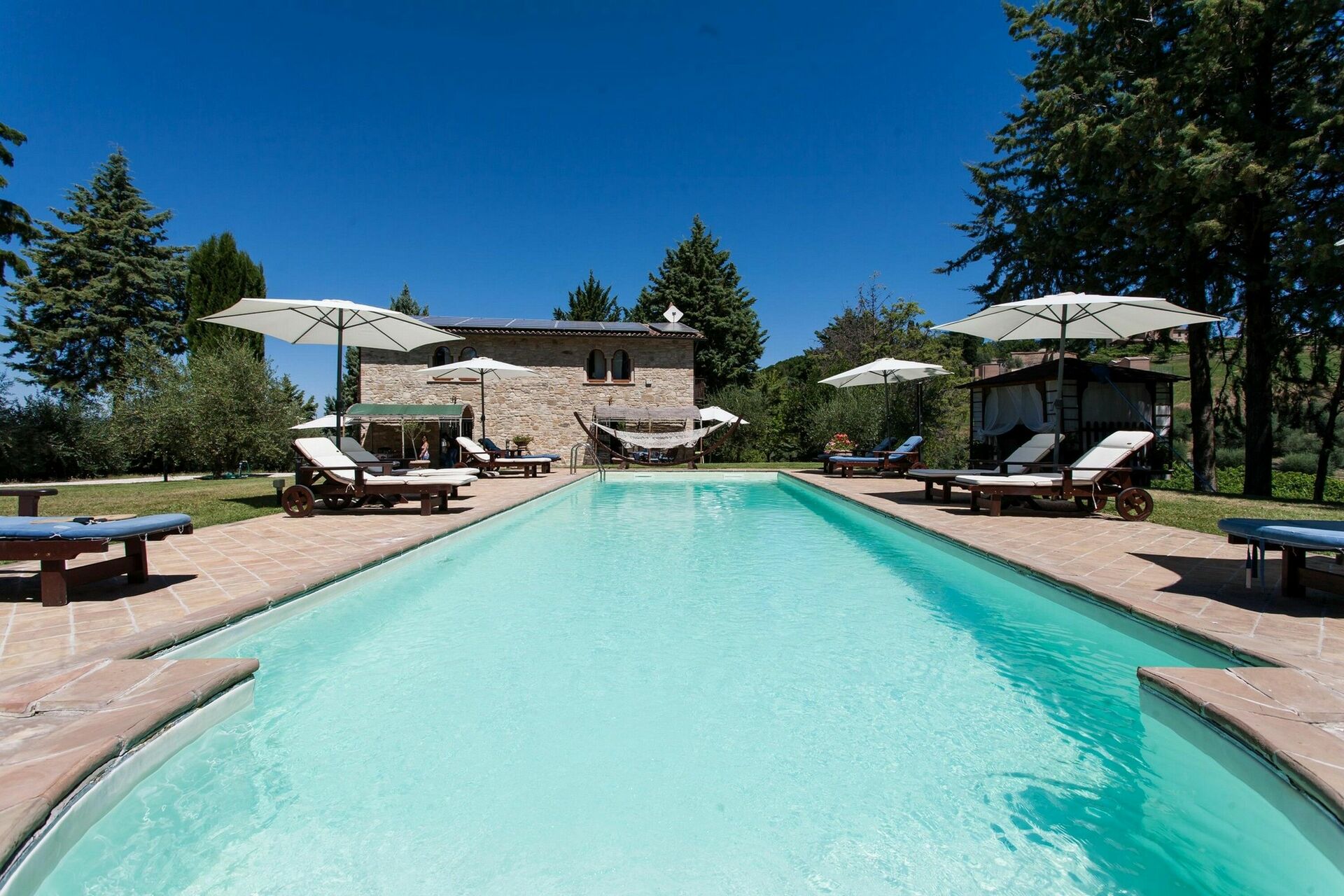
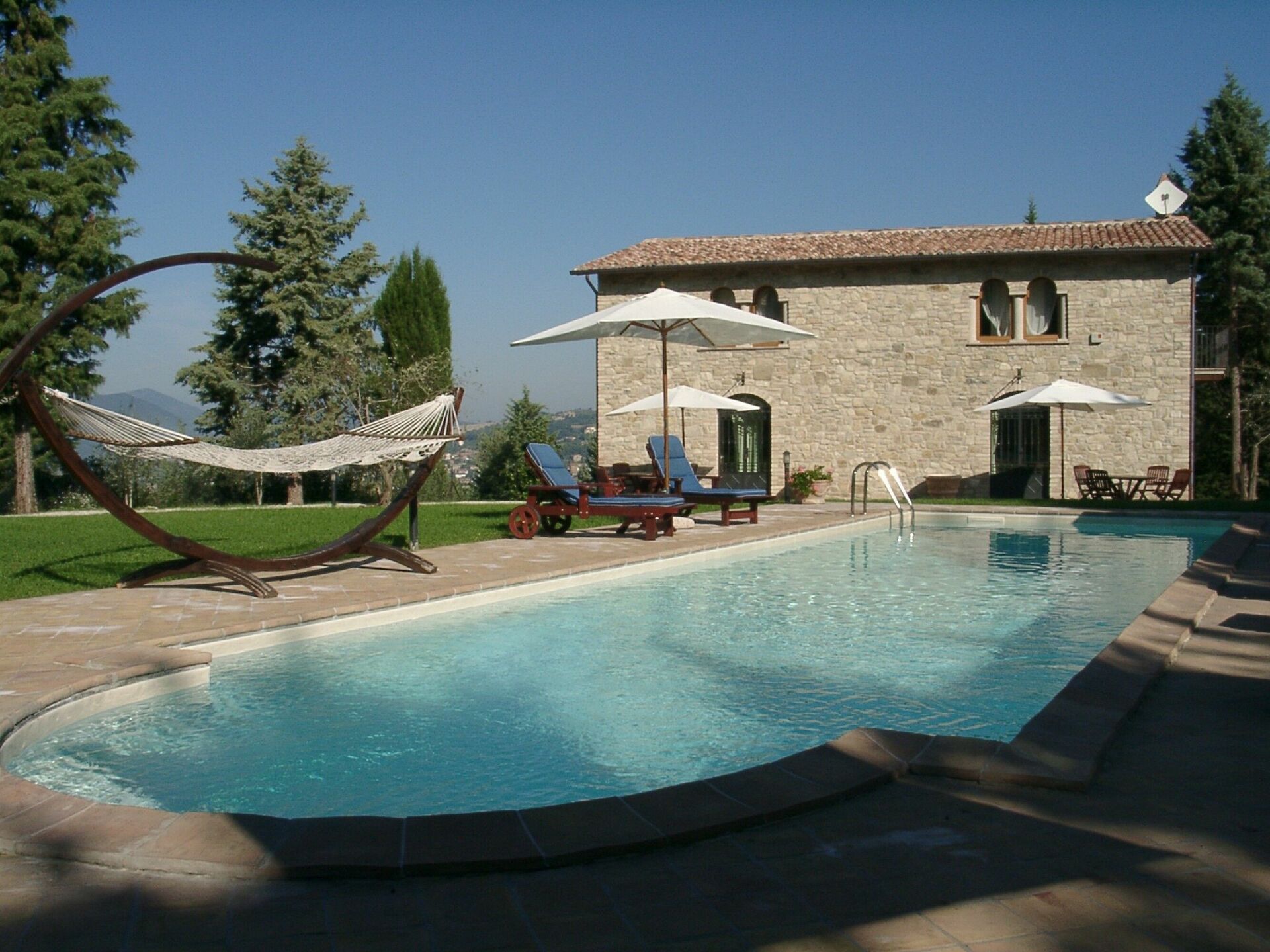
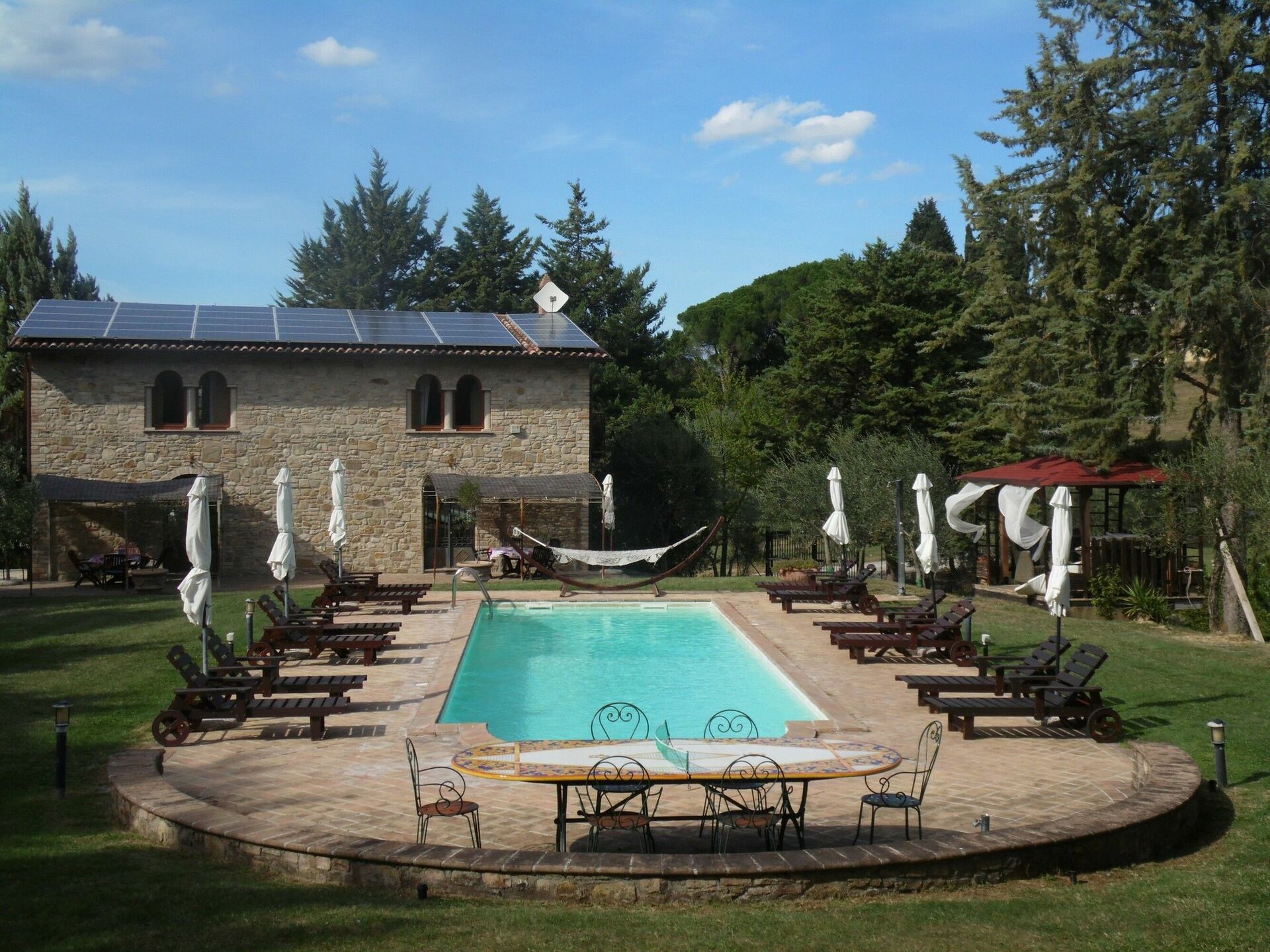
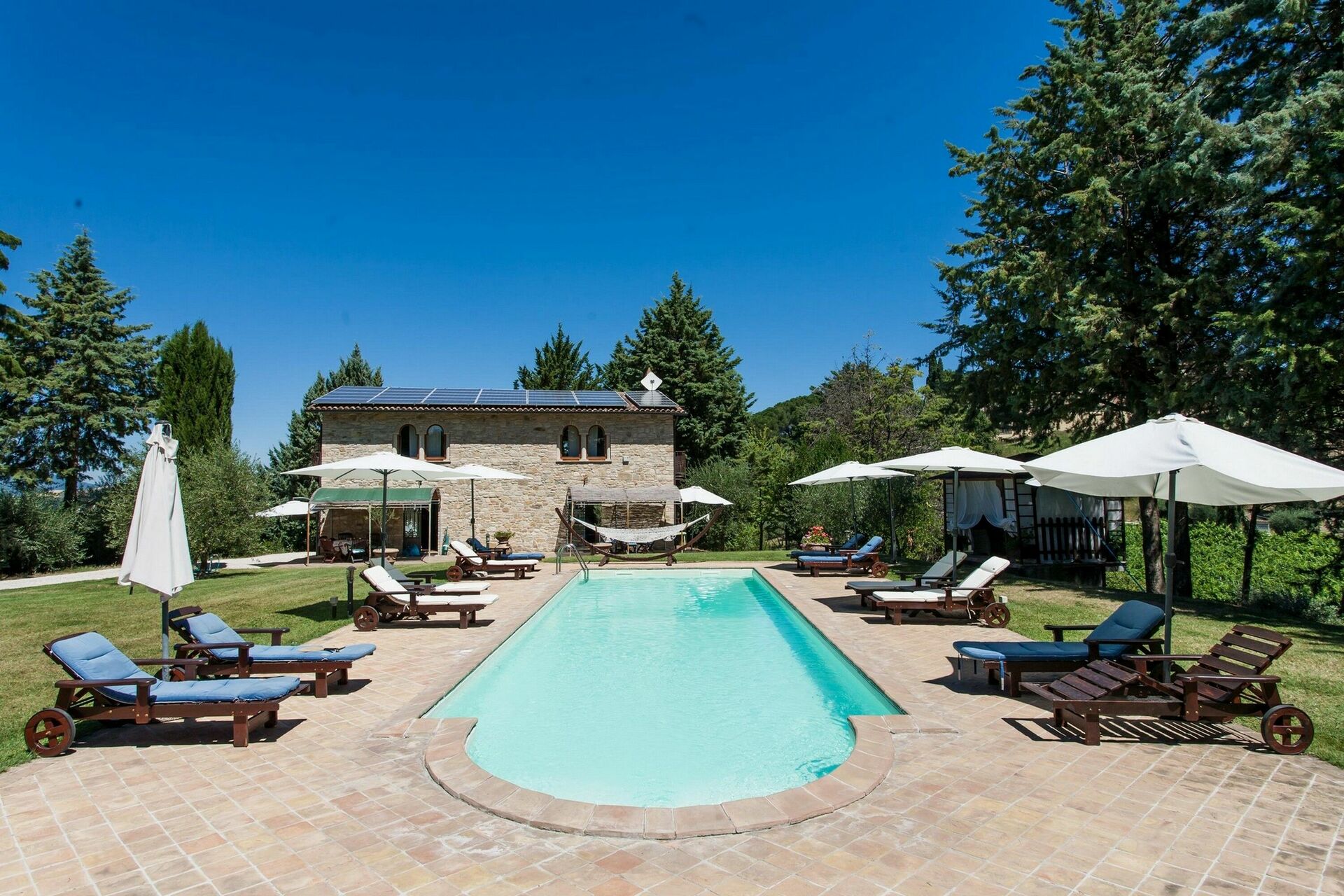
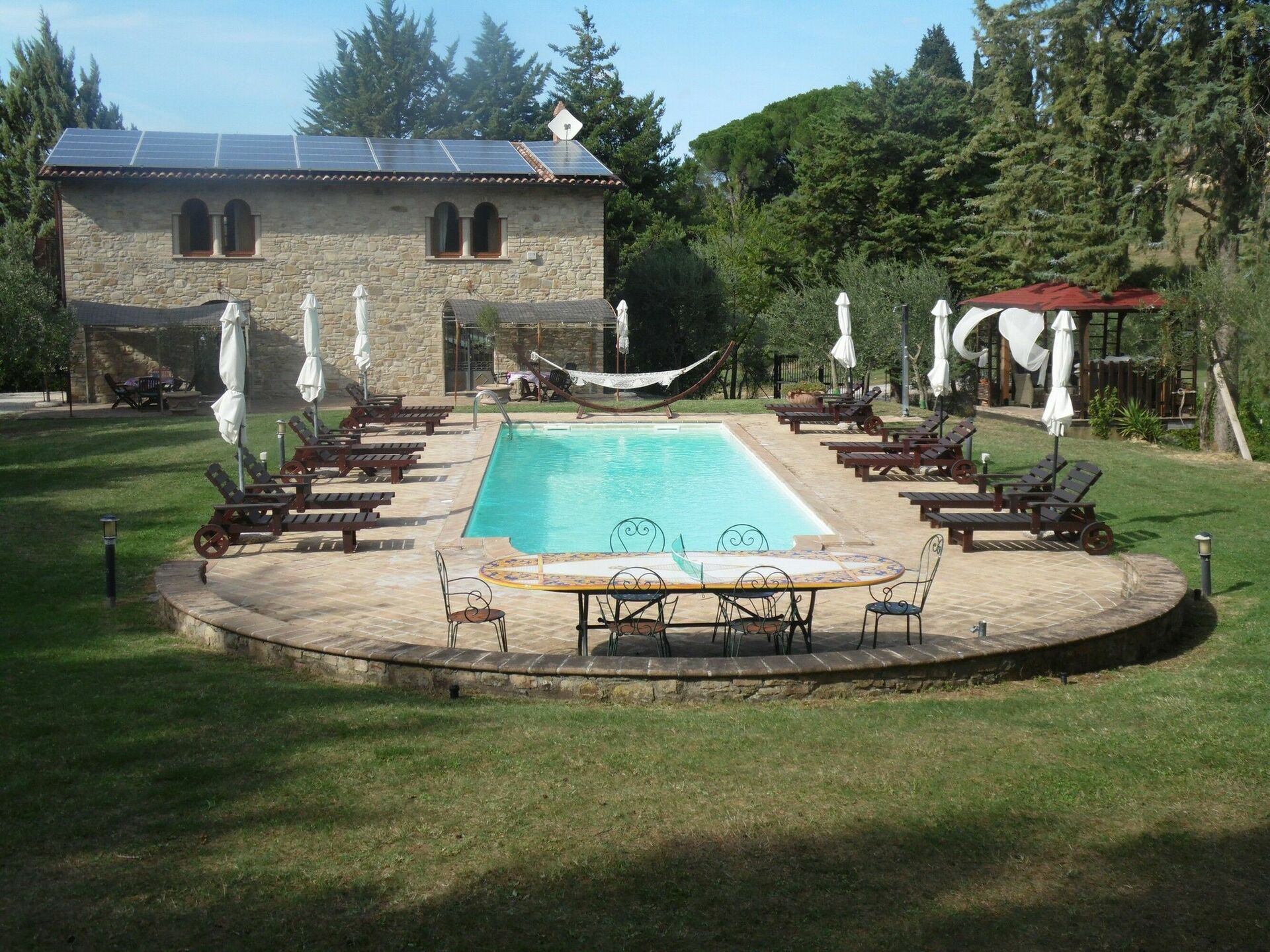
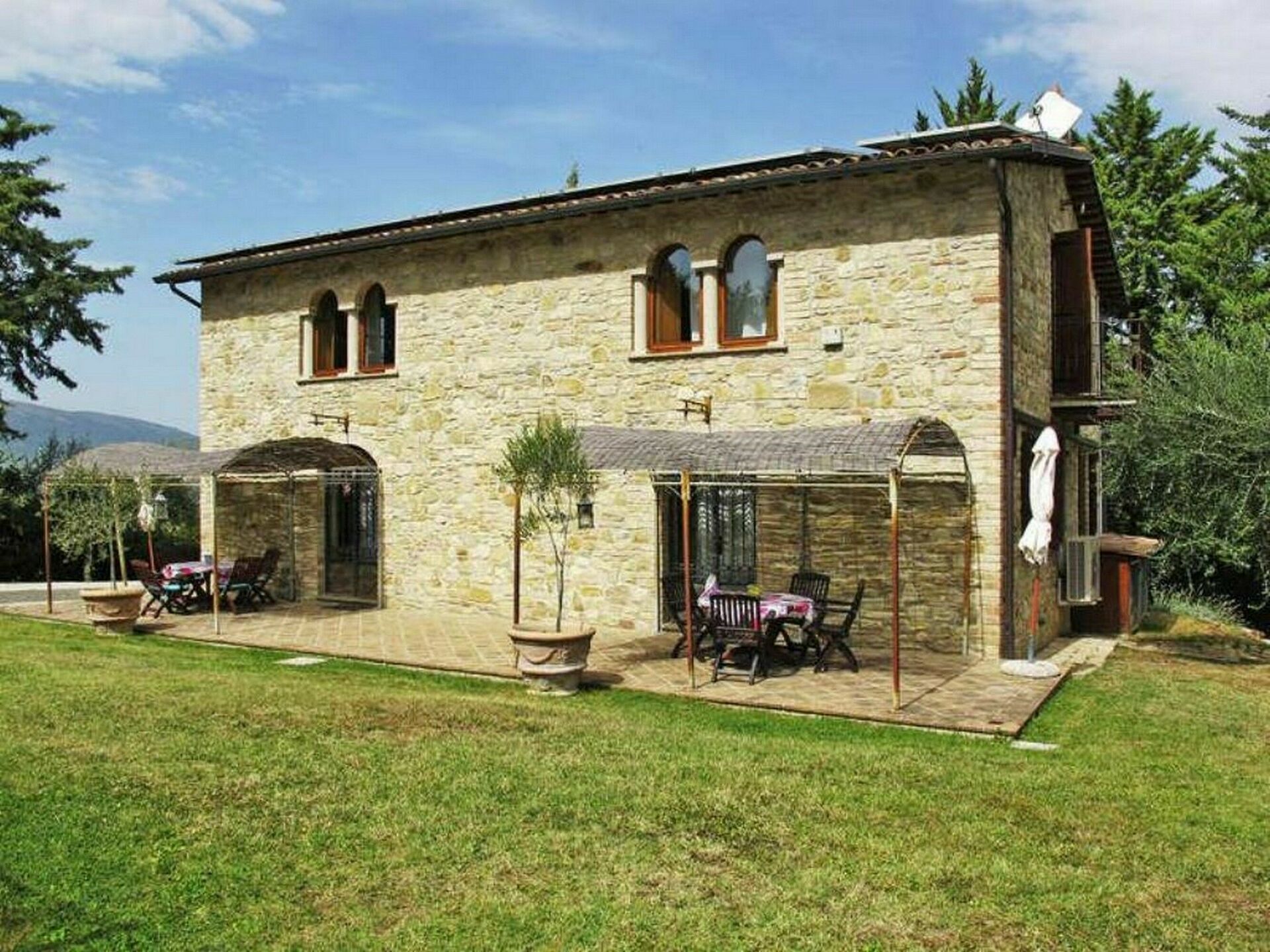
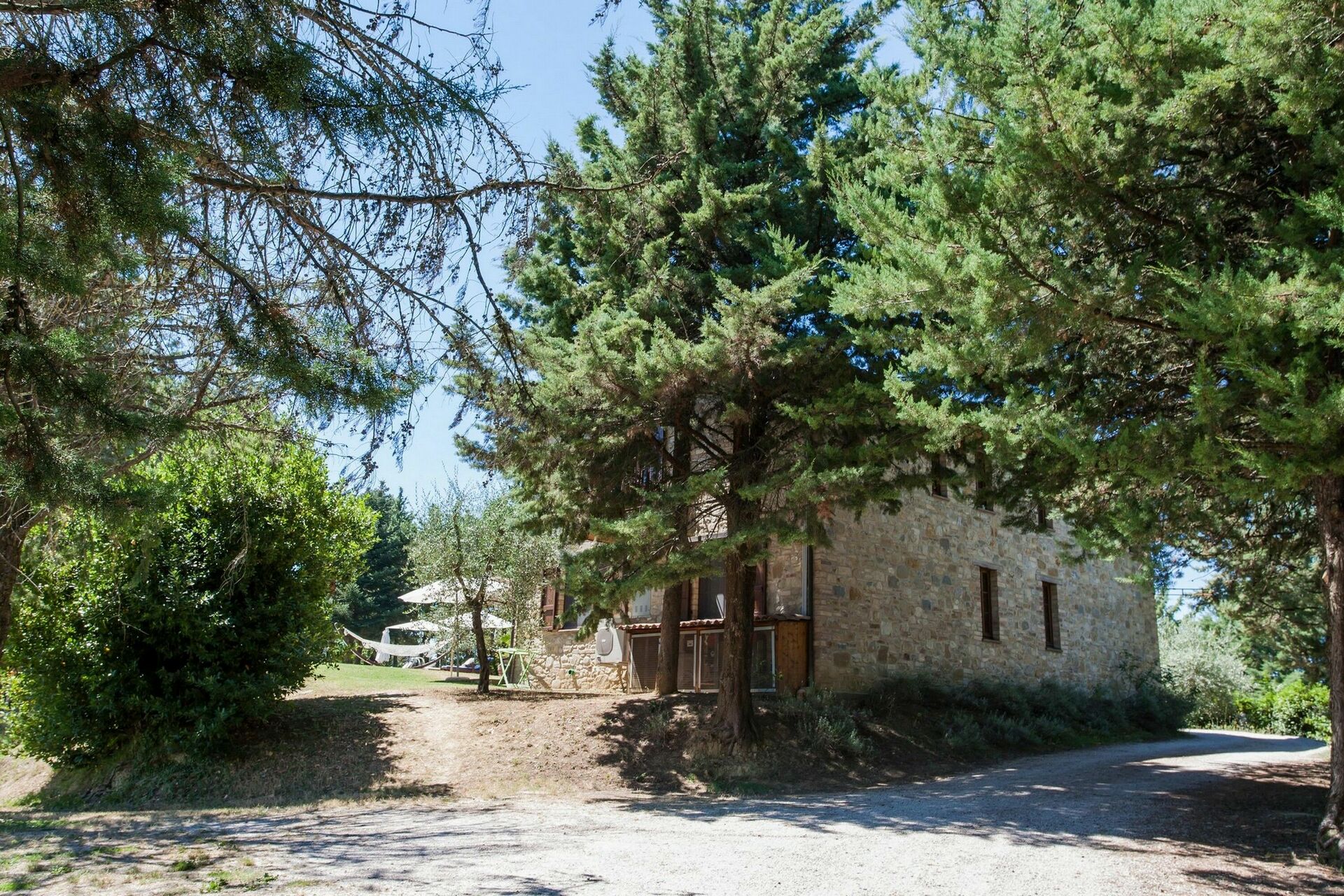
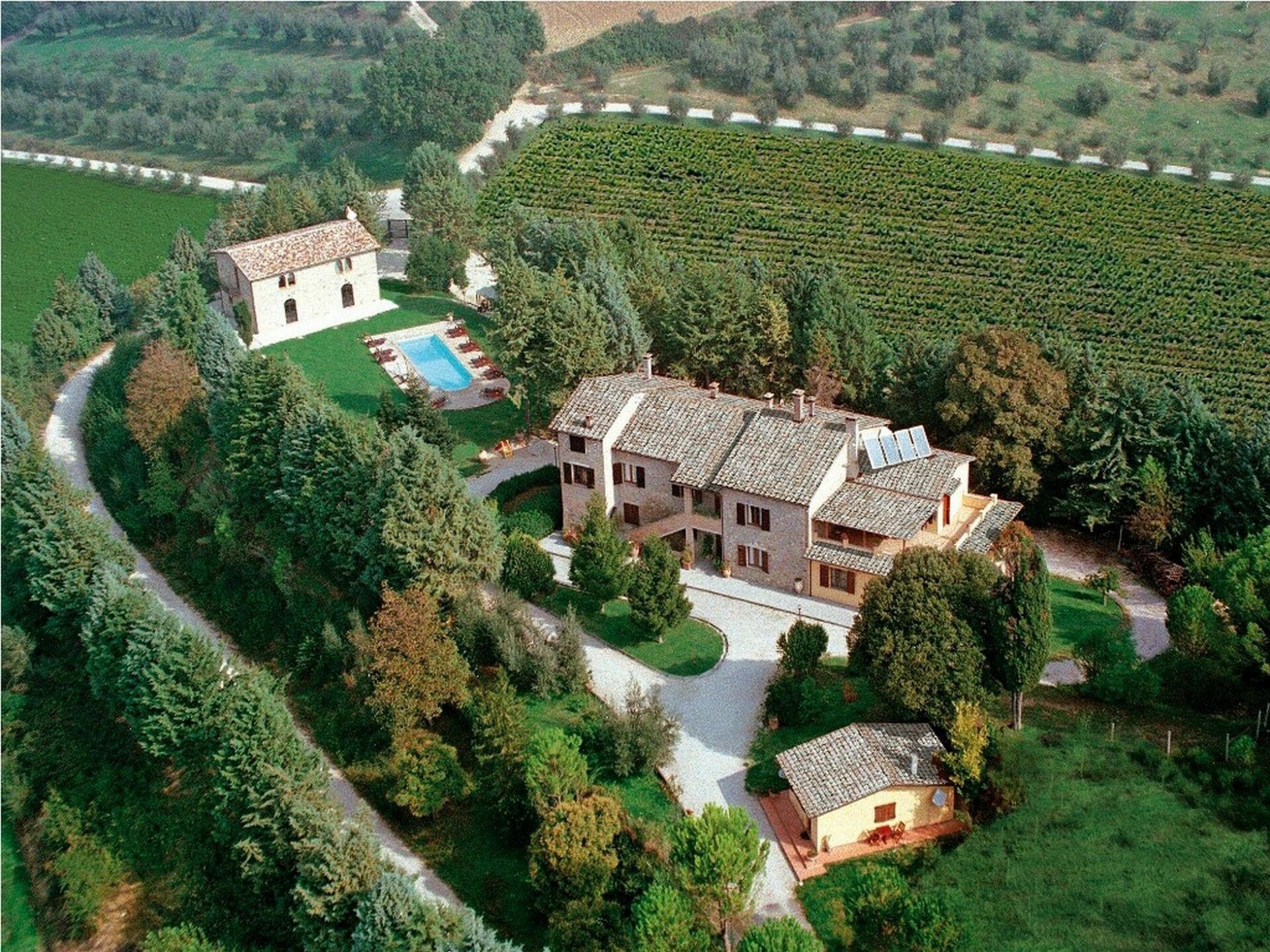
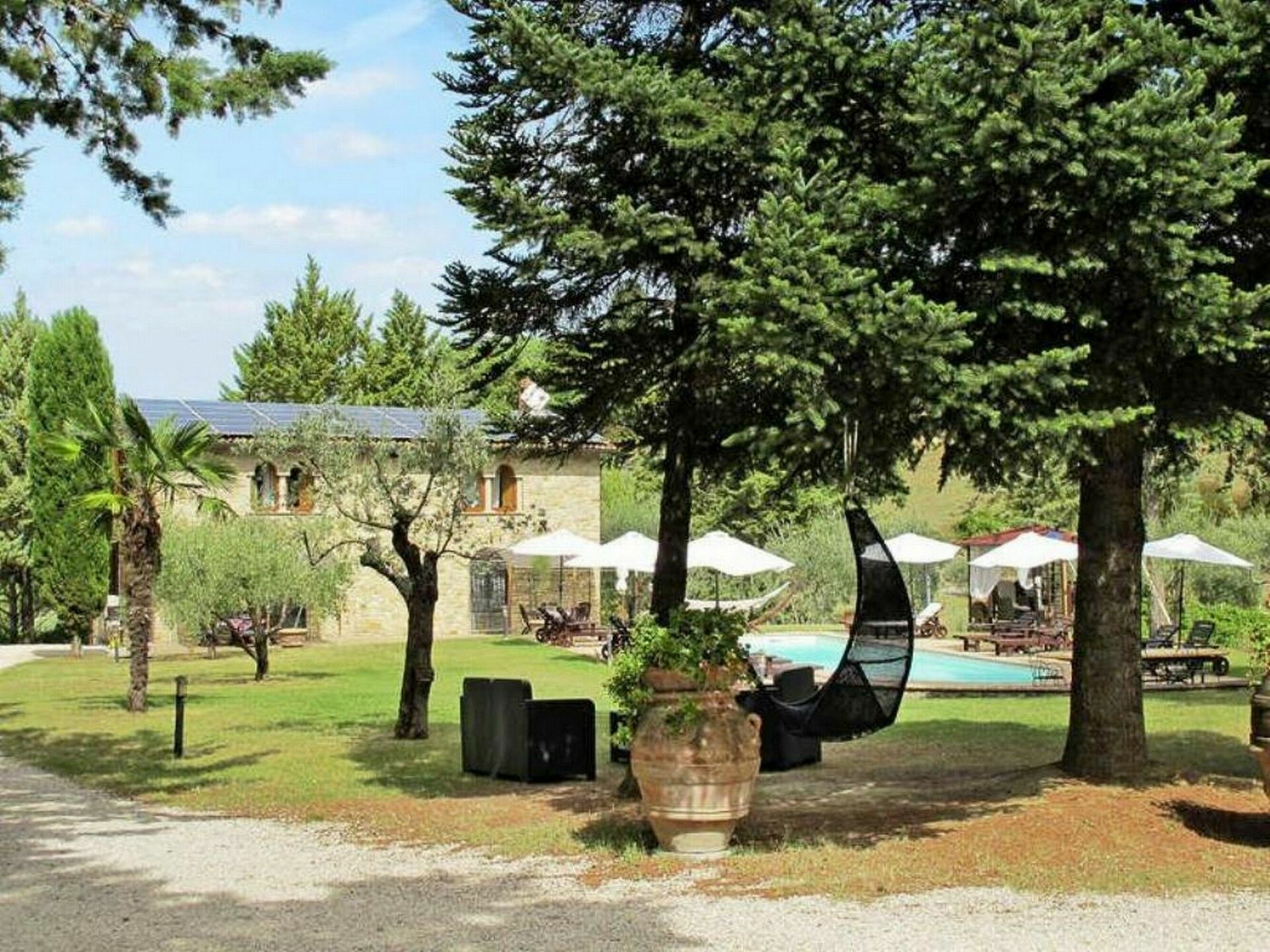
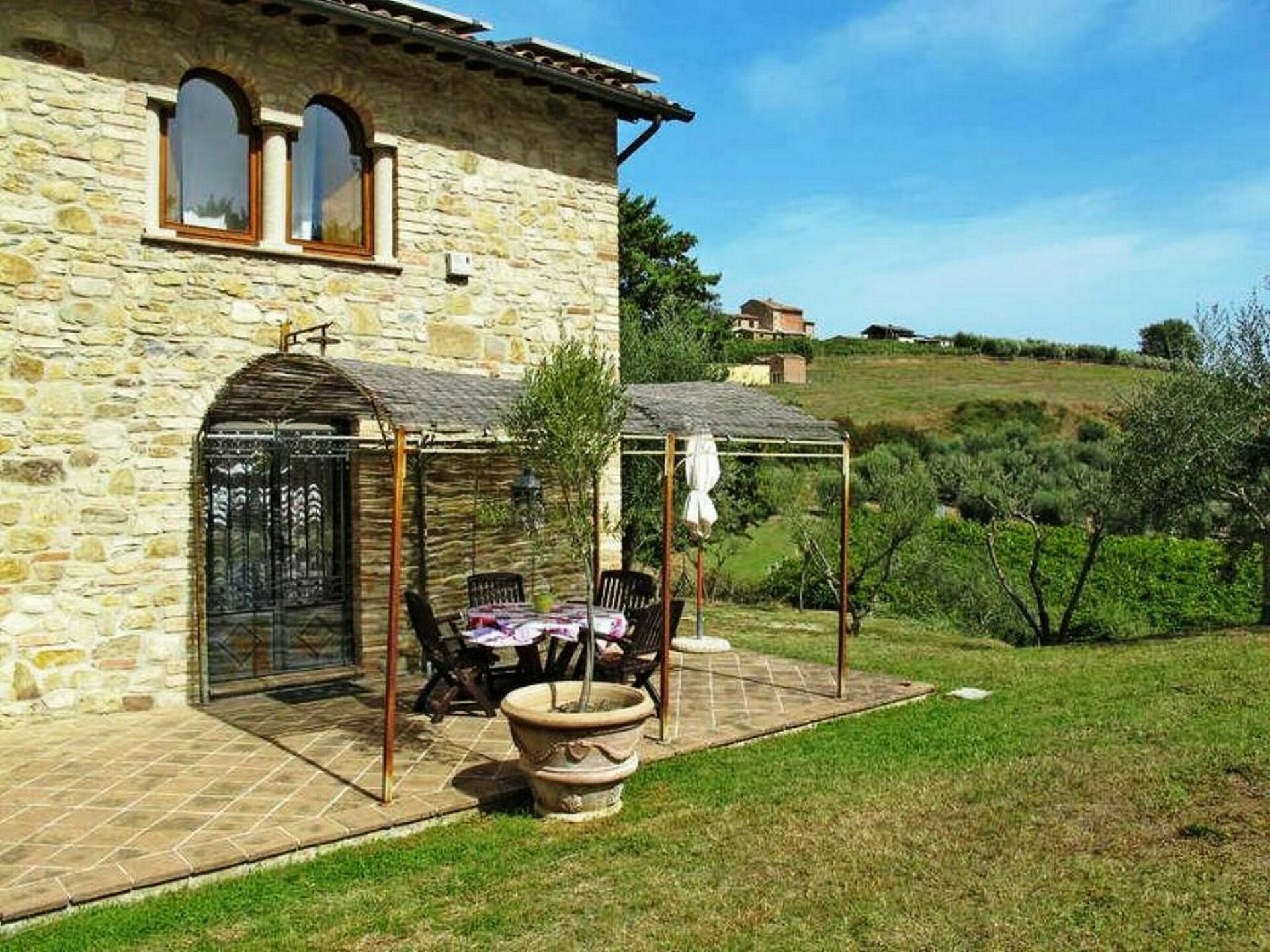
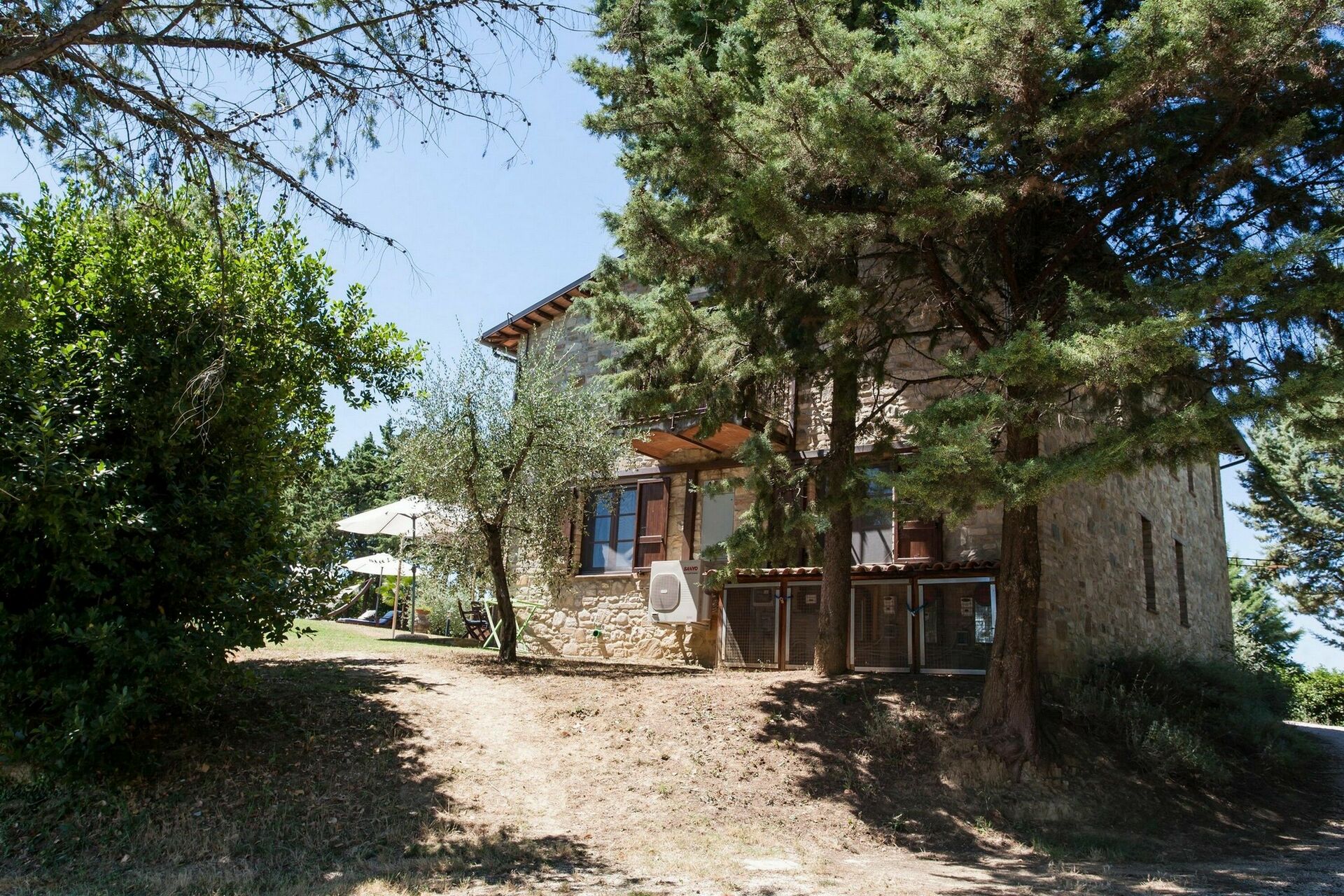
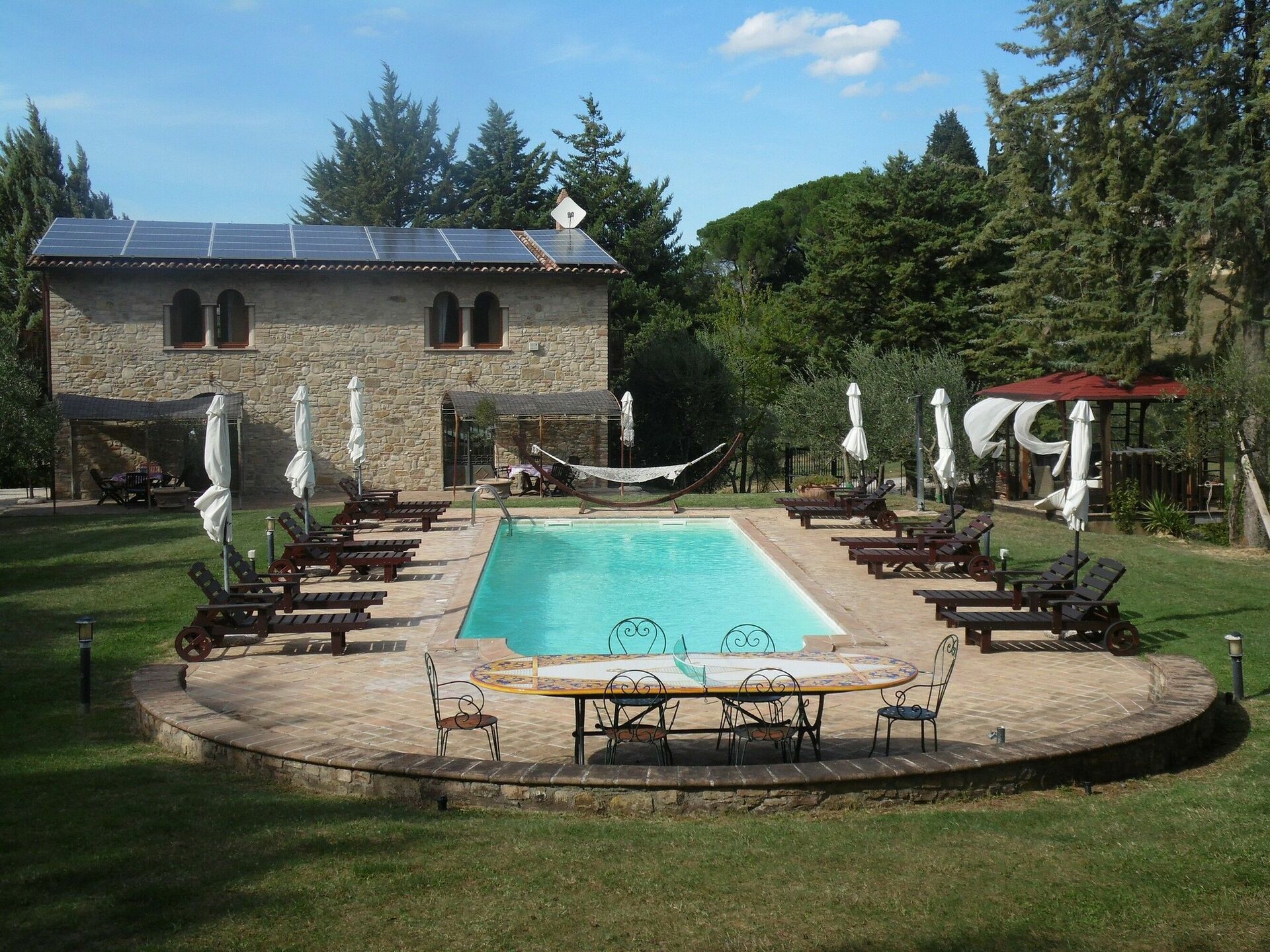
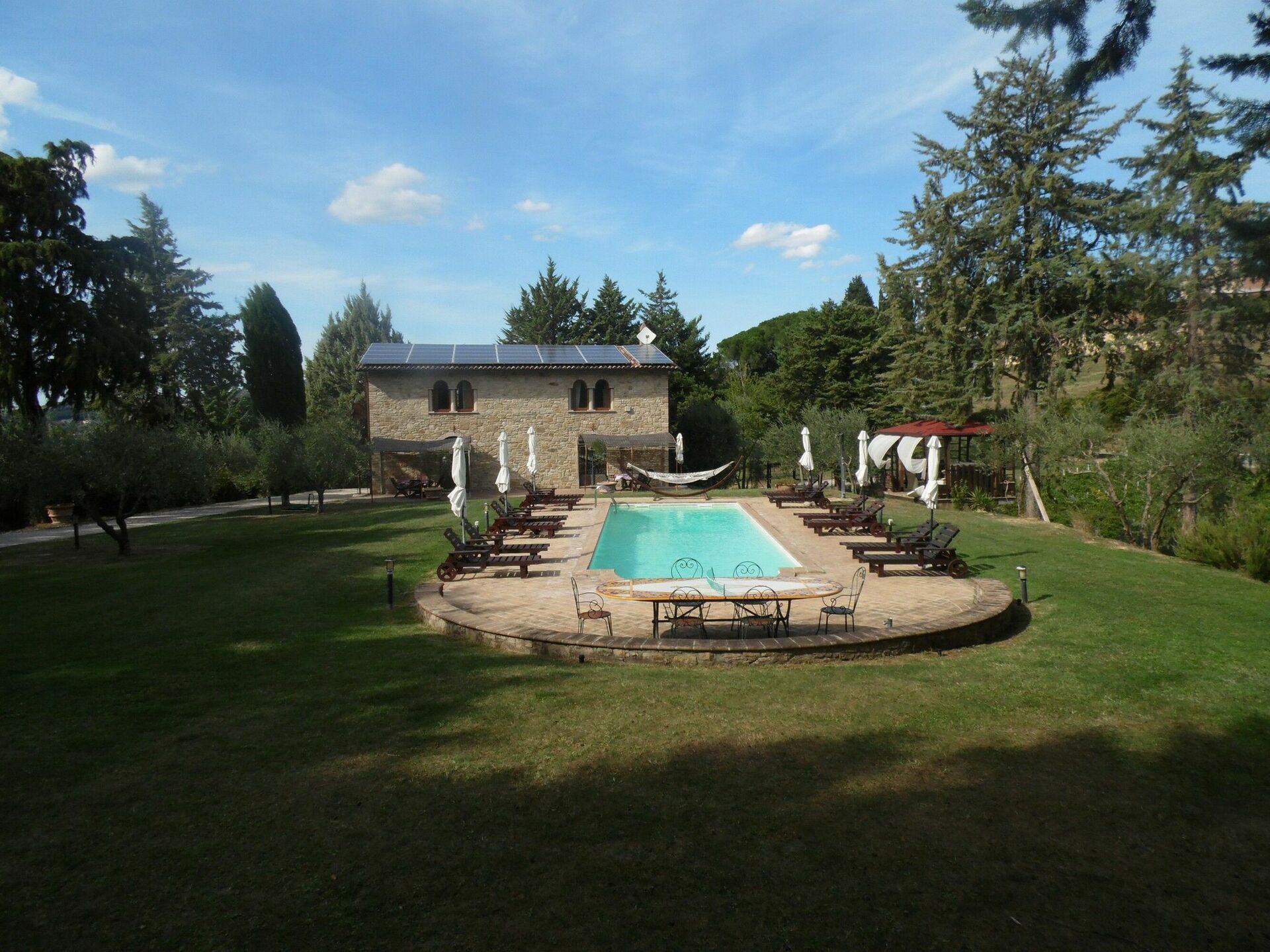
Villa Monnalisa is 6 km gelegen van Ponte Felcino (Italië), en slechts 22 km van Perugia. Villa Monnalisa is een prachtige stenen woning (240 m2) met WiFi internet en air conditioning. De woning is comfortabel geschikt voor max. 14 personen.
Wat Staat U Te Wachten
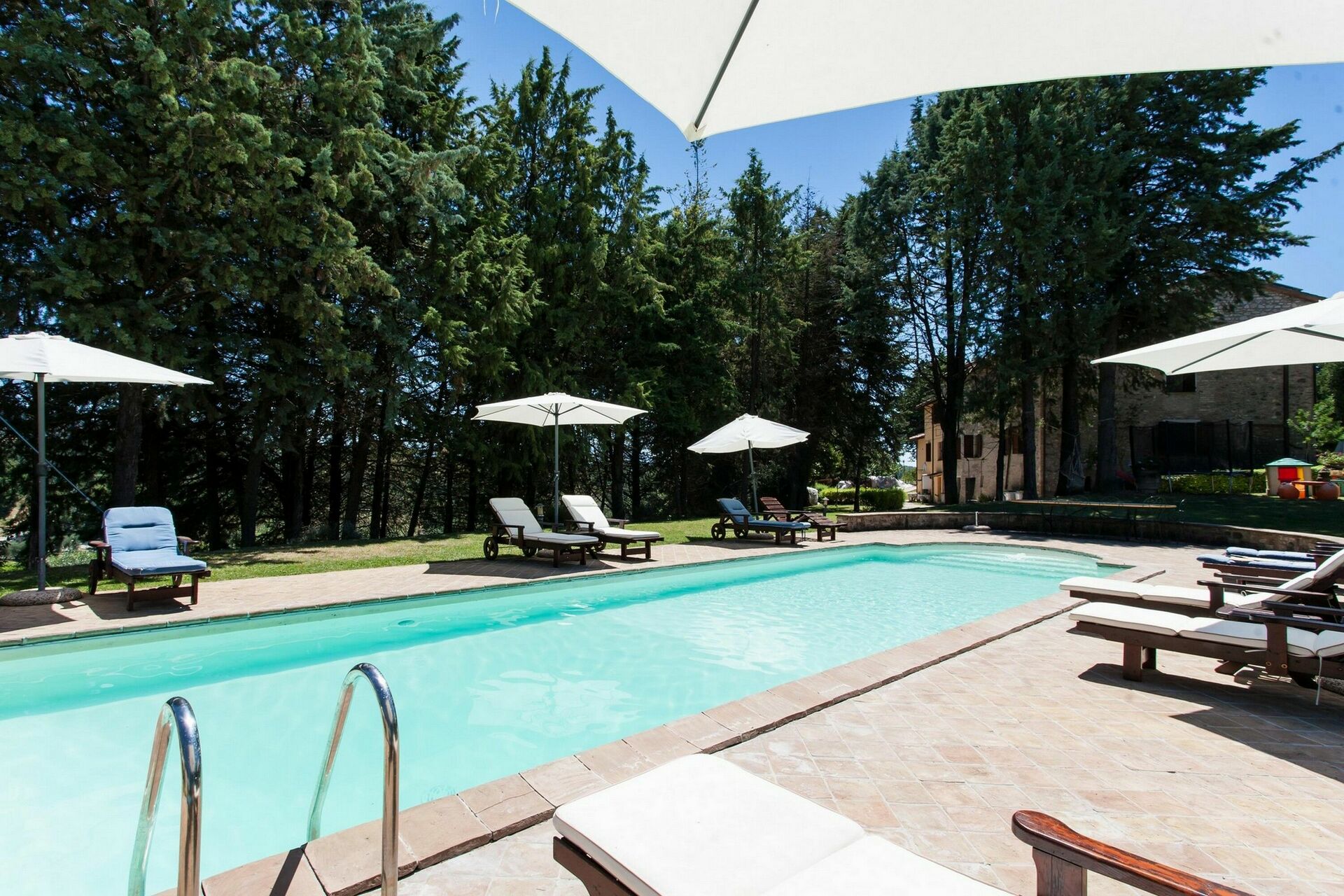
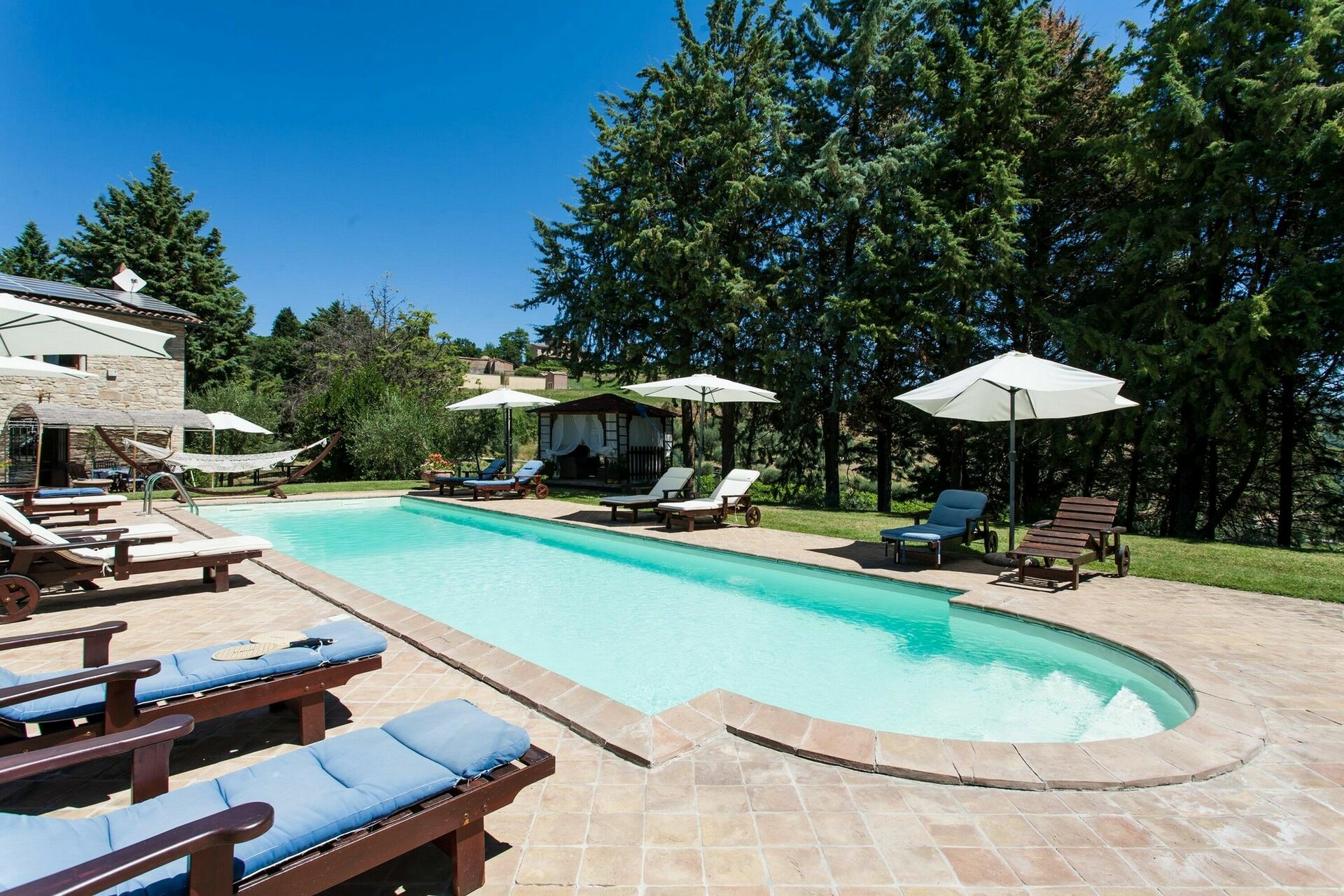
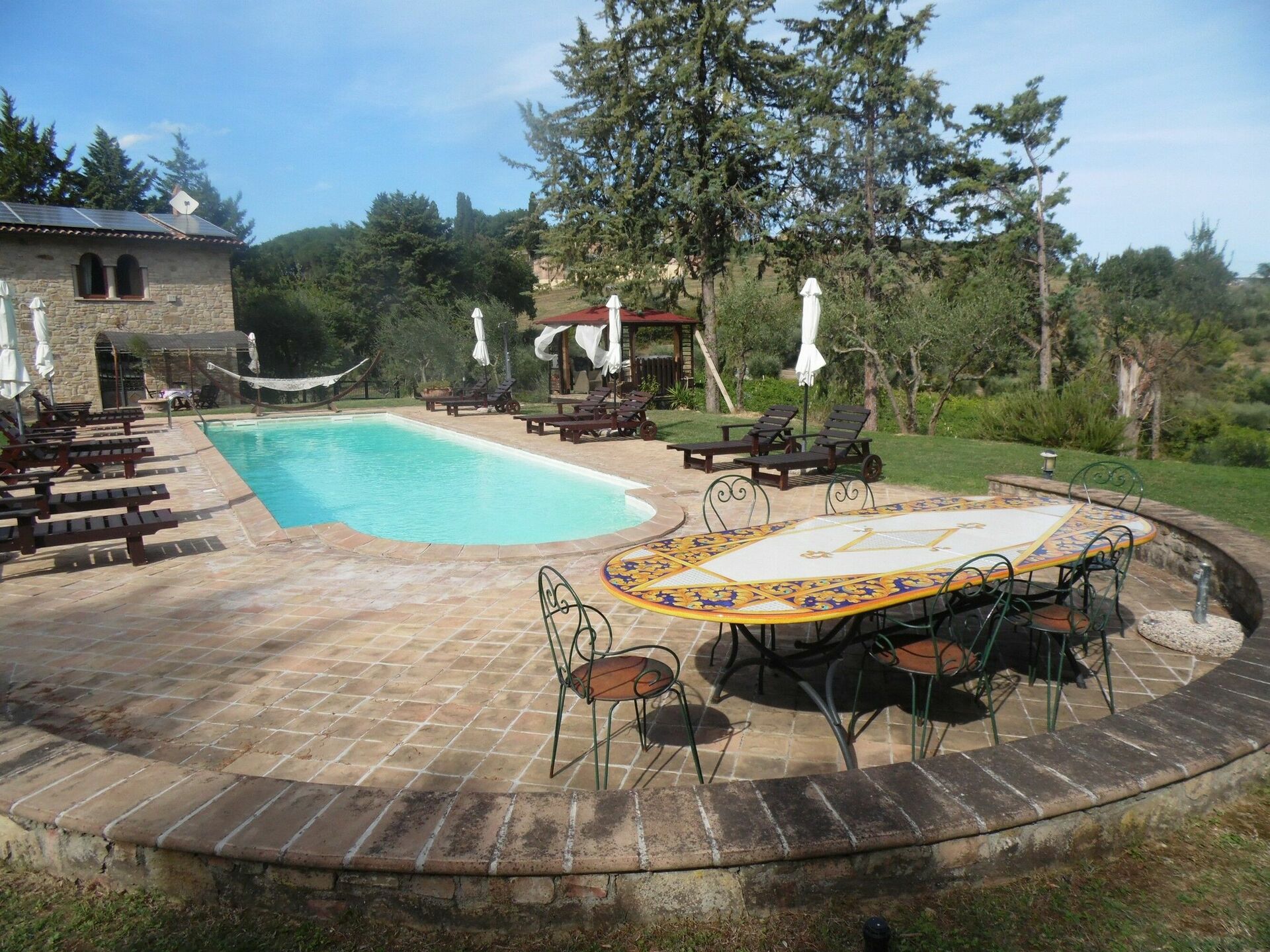
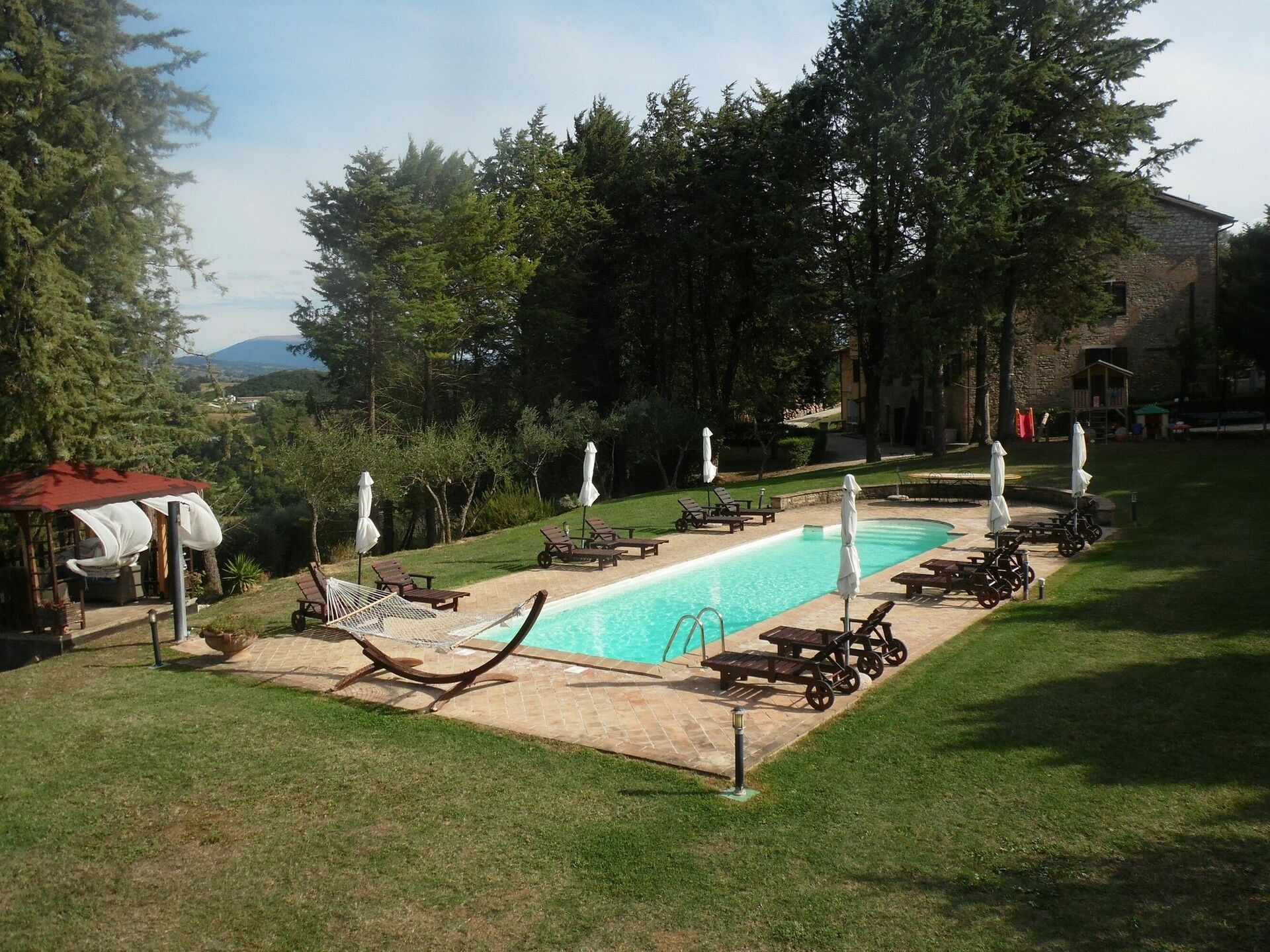
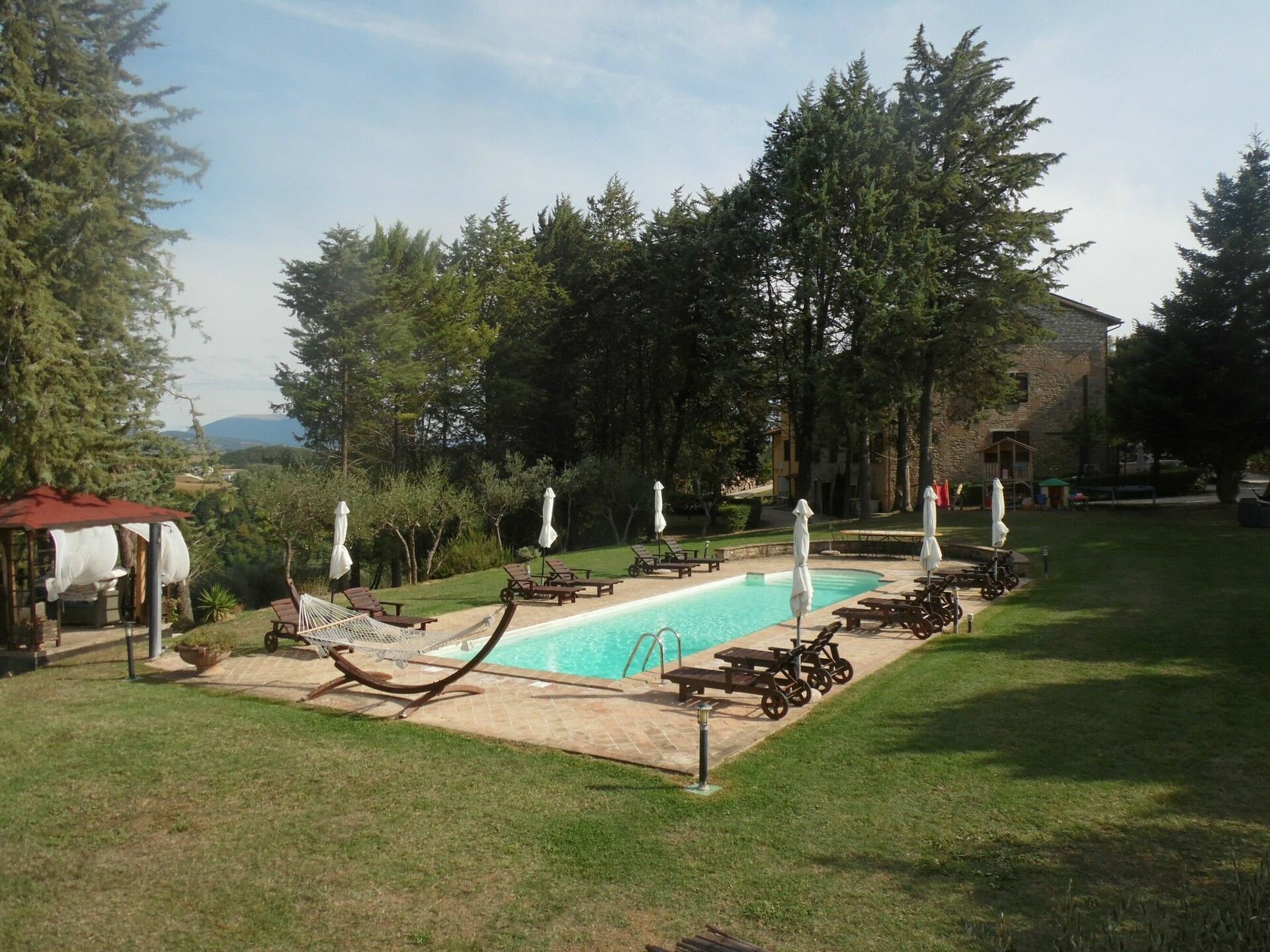
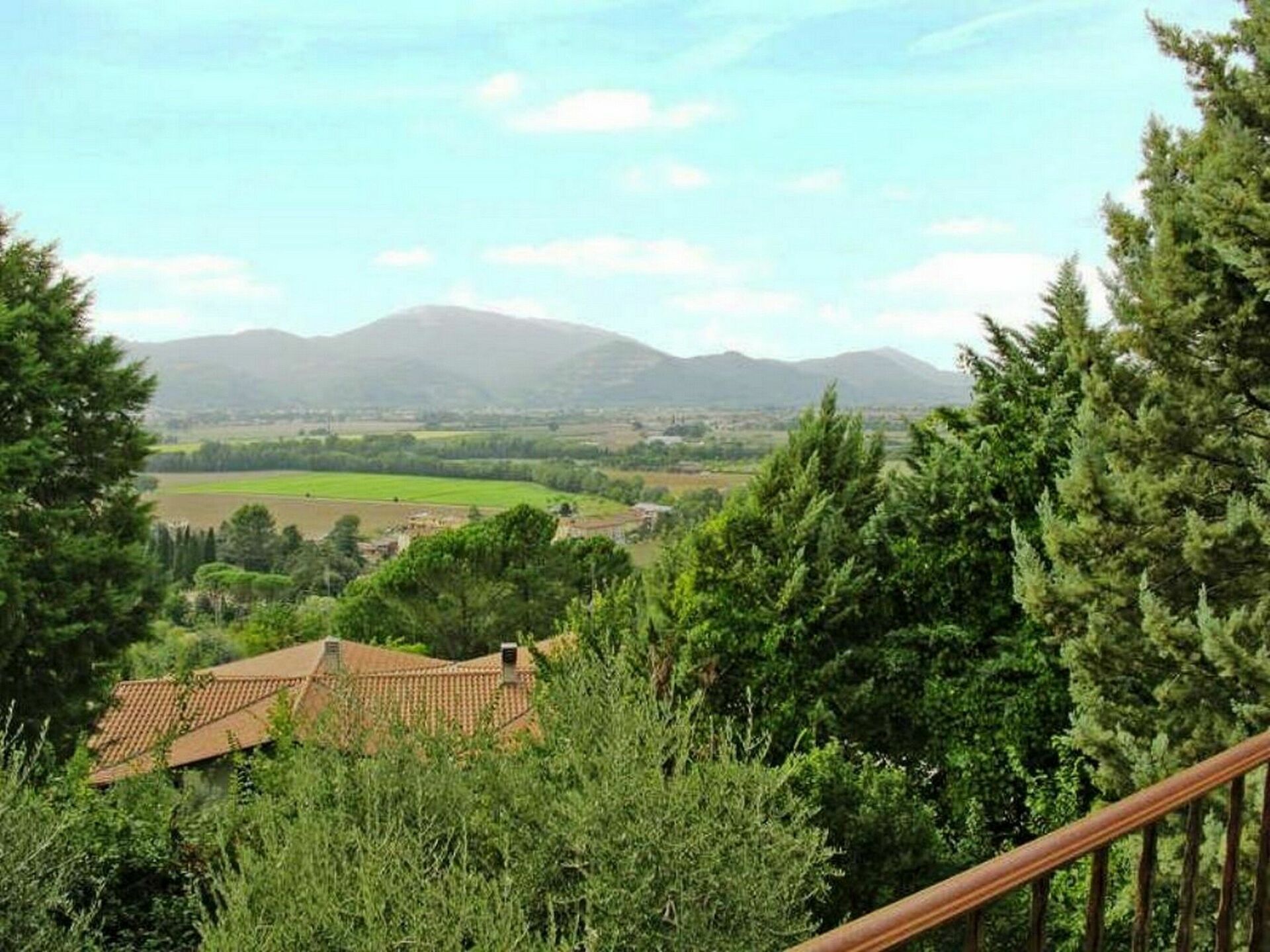
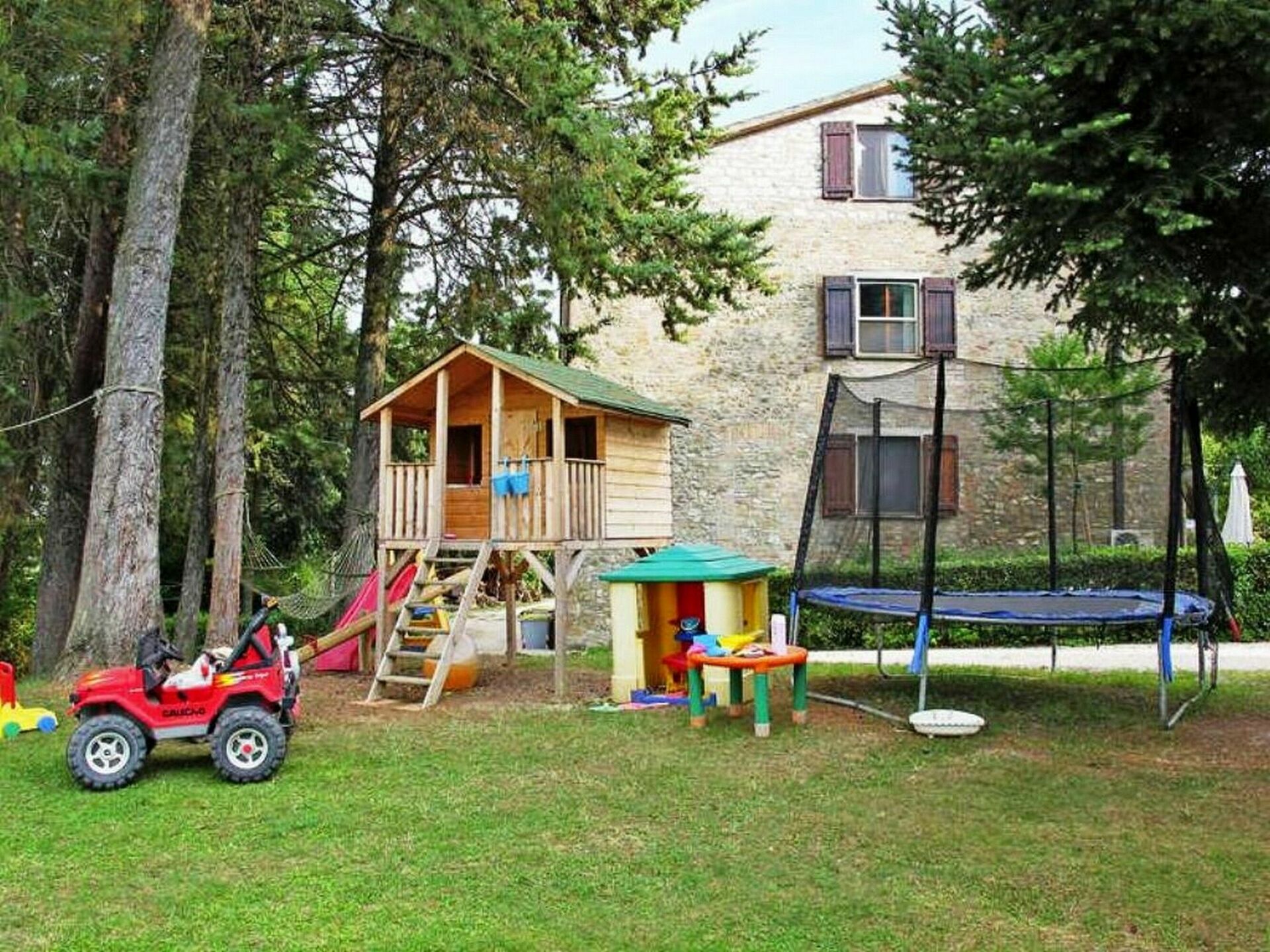
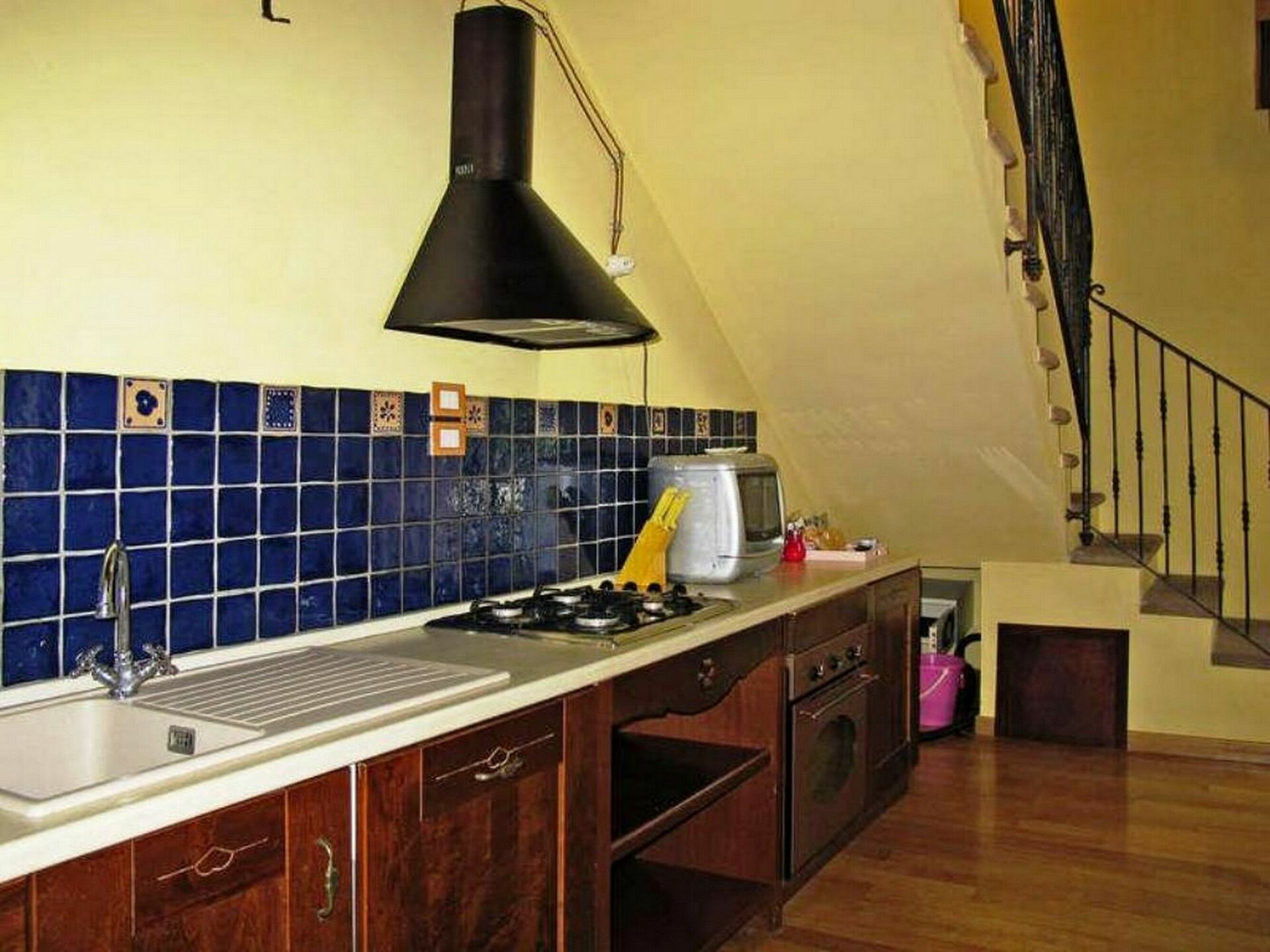
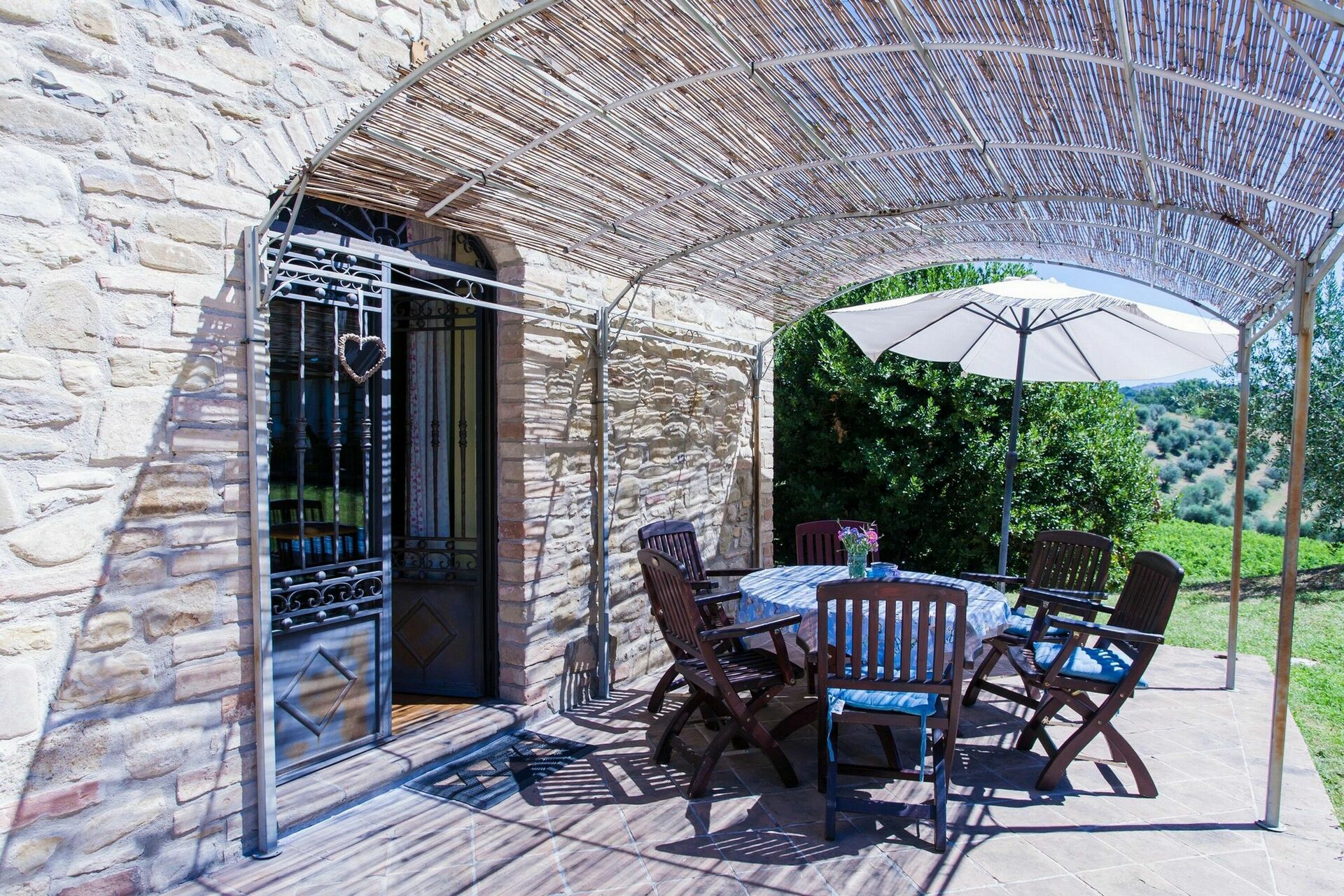
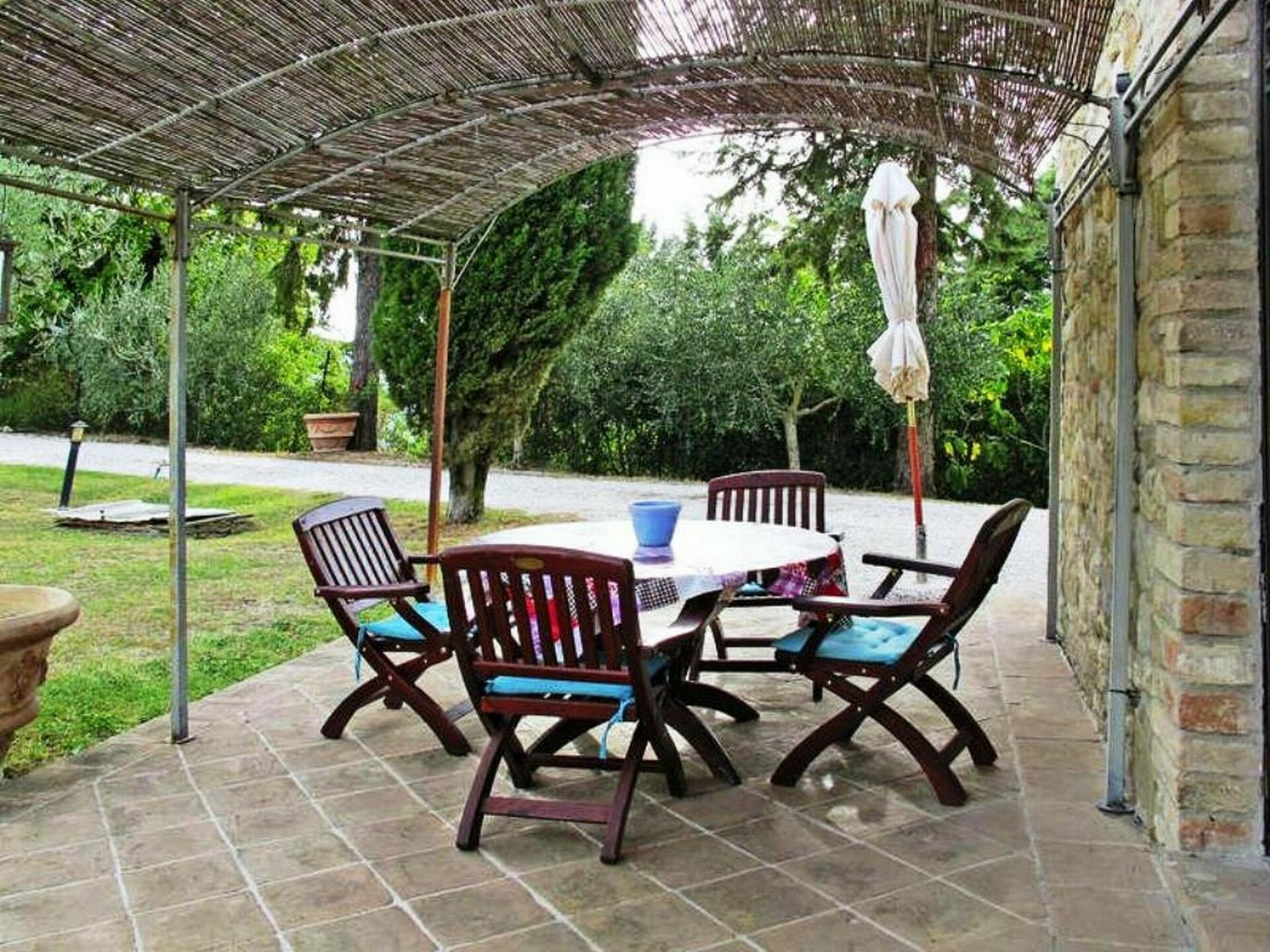
Zodra u aankomt wordt u welkom geheten door de eigenaar of beheerder en vindt u een fraaie, schone en goed onderhouden woning met uitzicht over de bergen en de heuvels perfect voor een ontspannen vakantie in Umbrië. Voor uw vermaak vindt u een gedeeld zwembad waar u kunt uitrusten terwijl u geniet van een heerlijk koel drankje na een hectische dag winkelen. Op het terrein is er voor uw genoegen een speeltuin, patio en barbecue. Als u van koken houdt is er een goed uitgeruste keuken met o.a. koffiezetapparaat, broodrooster, fornuis en ijskast en natuurlijk voldoende servies en bestek voor tot 14 personen. Als u liever buiten eet is er een patio waar u van het weer kan genieten terwijl u buiten eet.
Bezoek de Streek
De meeste mensen houden ervan om dorpen en steden in de omgeving te bezichtigen terwijl ze op vakantie zijn, dus ter referentie een lijst van populaire plaatsen met de afstanden (hemelsbreed) vanaf de woning: Perugia 22 km, Assisi 30 km, Gubbio 31 km, Cortona 67 km en Spoleto 68 km.
Een aantal andere belangrijke toeristische bestemmingen zijn: Florence 182 km, Viareggio 268 km, Rome 189 km, Venetië 379 km, Milaan 439 km en Napels 380 km.
Overige Informatie
Opening Zwembad: 1 Mei - 30 September (Als u wilt dat het zwembad geopend is buiten deze periode, vraag het ons dan alvorens u gaat reserveren).
Dichtstbijzijnde Luchthavens (afstanden hemelsbreed): Firenze Peretola (flr) 187 km, Roma Ciampino (cia) 198 km, Roma Fiumicino (fco) 211 km, Bologna (blq) 238 km en Pisa (psa) 249 km.
Meer Services
Kooklessen - Ontdek met een lokale kok alle nodige technieken om de Italiaanse keuken te beheersen. De eigenaar kan een kok organiseren die naar de woning komt om een kookles te geven. Het is een vermakelijke manier om de tijd door te brengen met vrienden en familie en tegelijkertijd de basis geheimen te leren om smakelijke Italiaanse gerechten te bereiden. Neemt u gerust contact met ons op voor meer details en de extra kosten.
Uitstapjes - De eigenaar kan excursies en rondleidingen op maat organiseren voor uw groep. Om meer te weten te komen over de beschikbare uitstapjes kunt u met de eigenaar overleggen wanneer u aankomt of vraag het op het moment van de reservering. De kosten zijn afhankelijk van de bepaalde excursie en het aantal personen.
Kinderopvang - Er kan een babysitter georganiseerd worden in Villa Monnalisa. Indien u met de kinderen op reis bent maar ook even iets alleen wilt doen, spreek dan met de eigenaar over deze mogelijkheid bij aankomst.
Beschrijving Interieur
Begane Grond
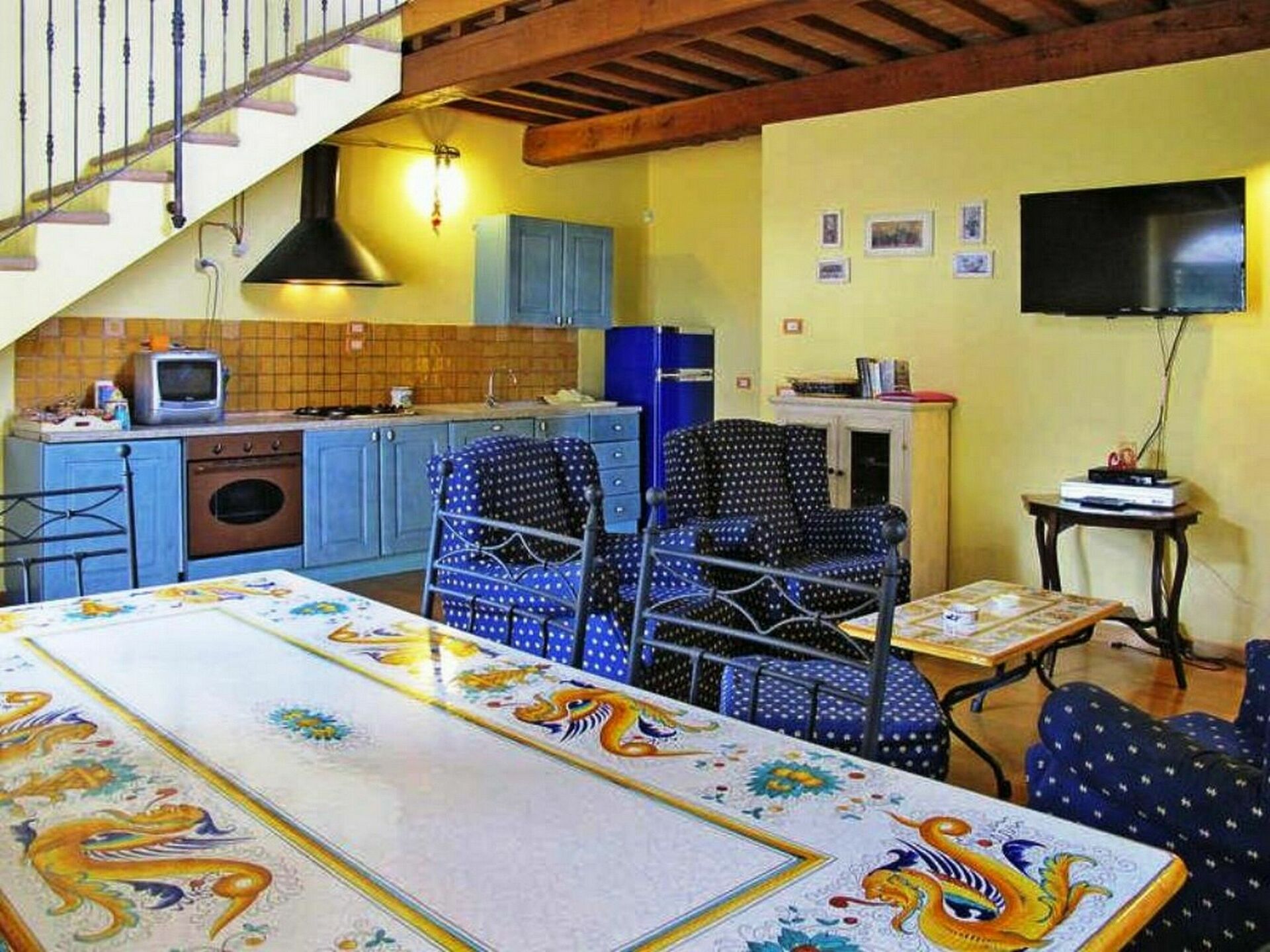
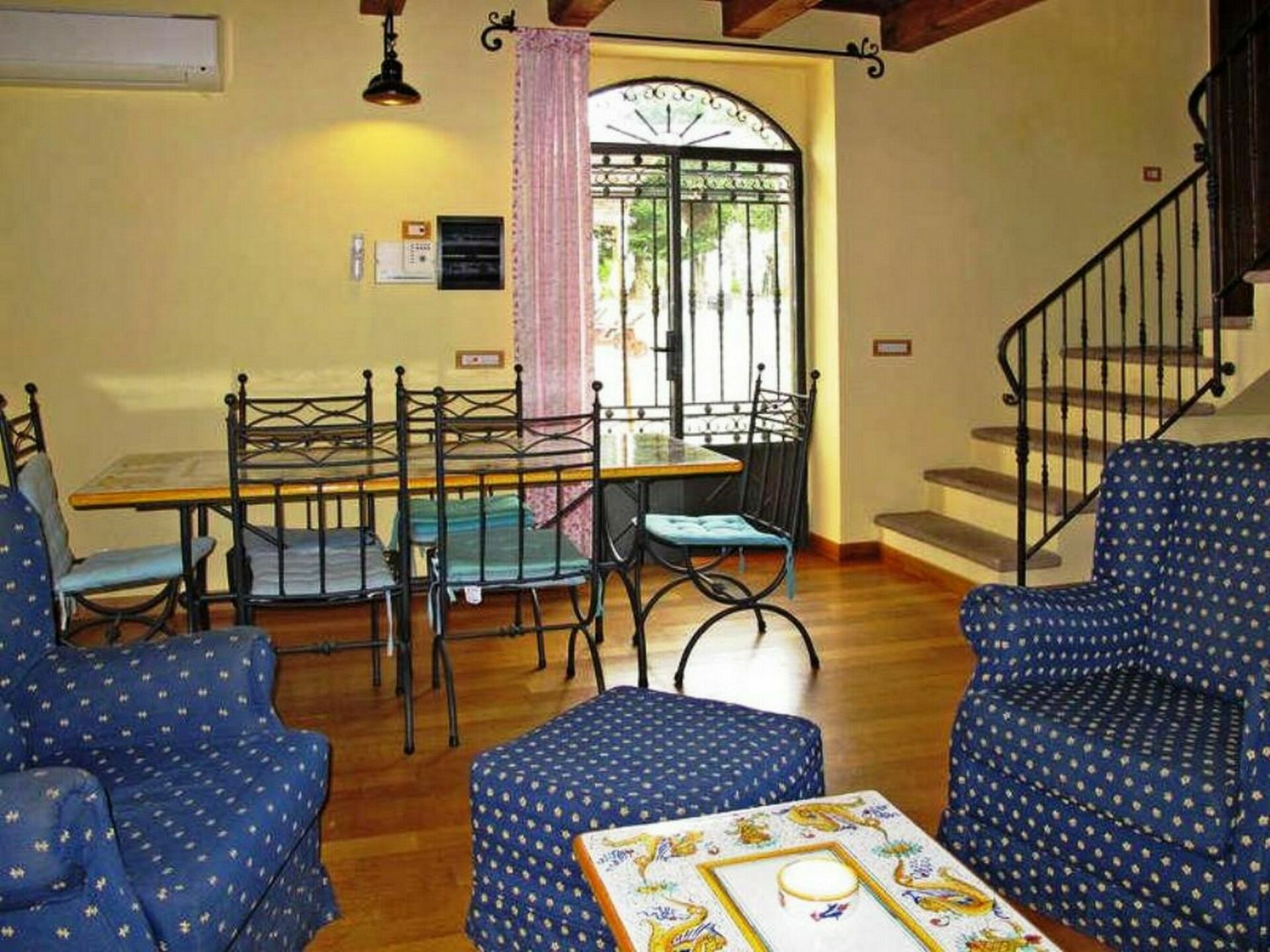
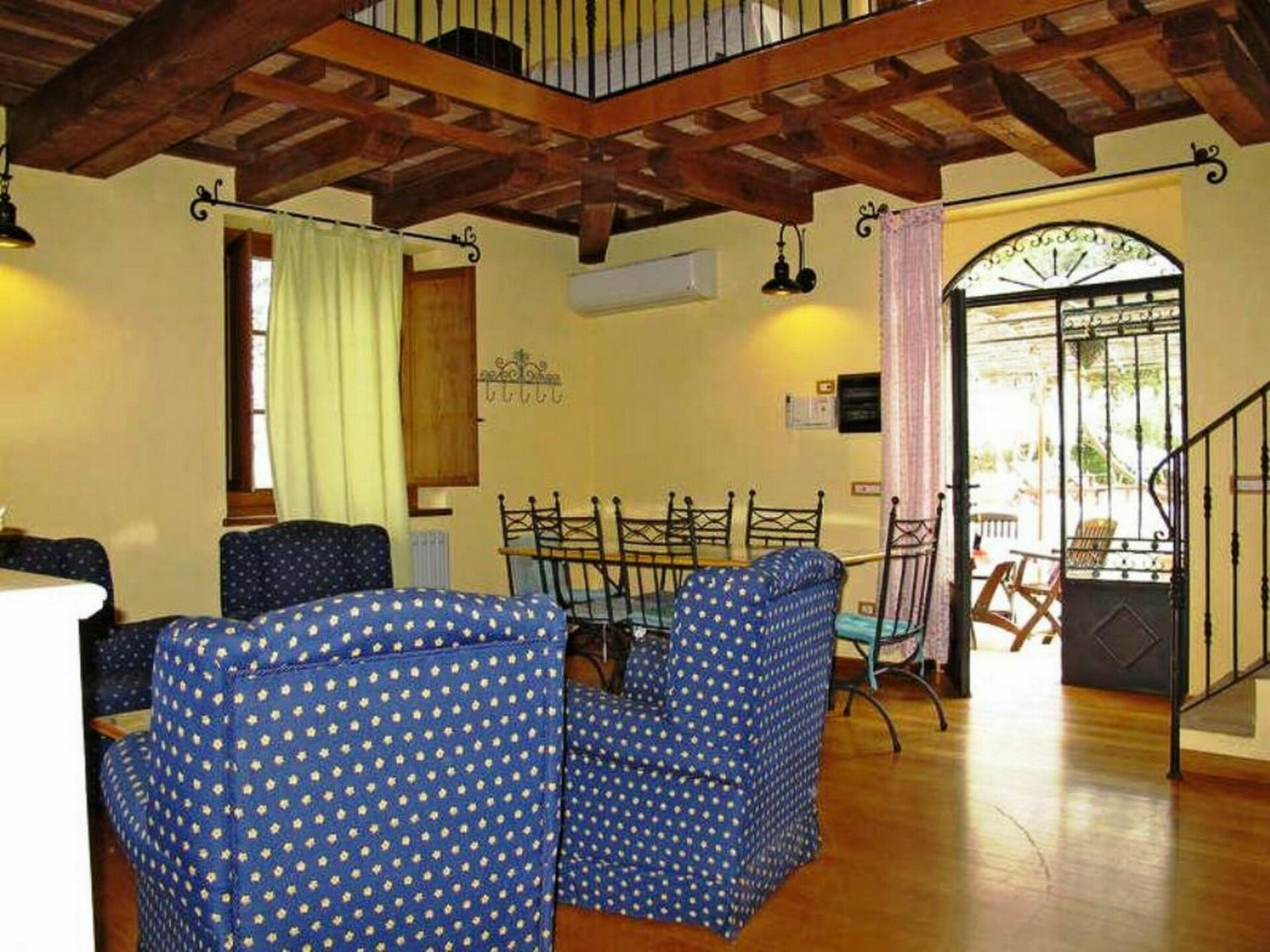
Met: 2 keukens, 2 woonkamers, 2 slaapkamers met badkamer.
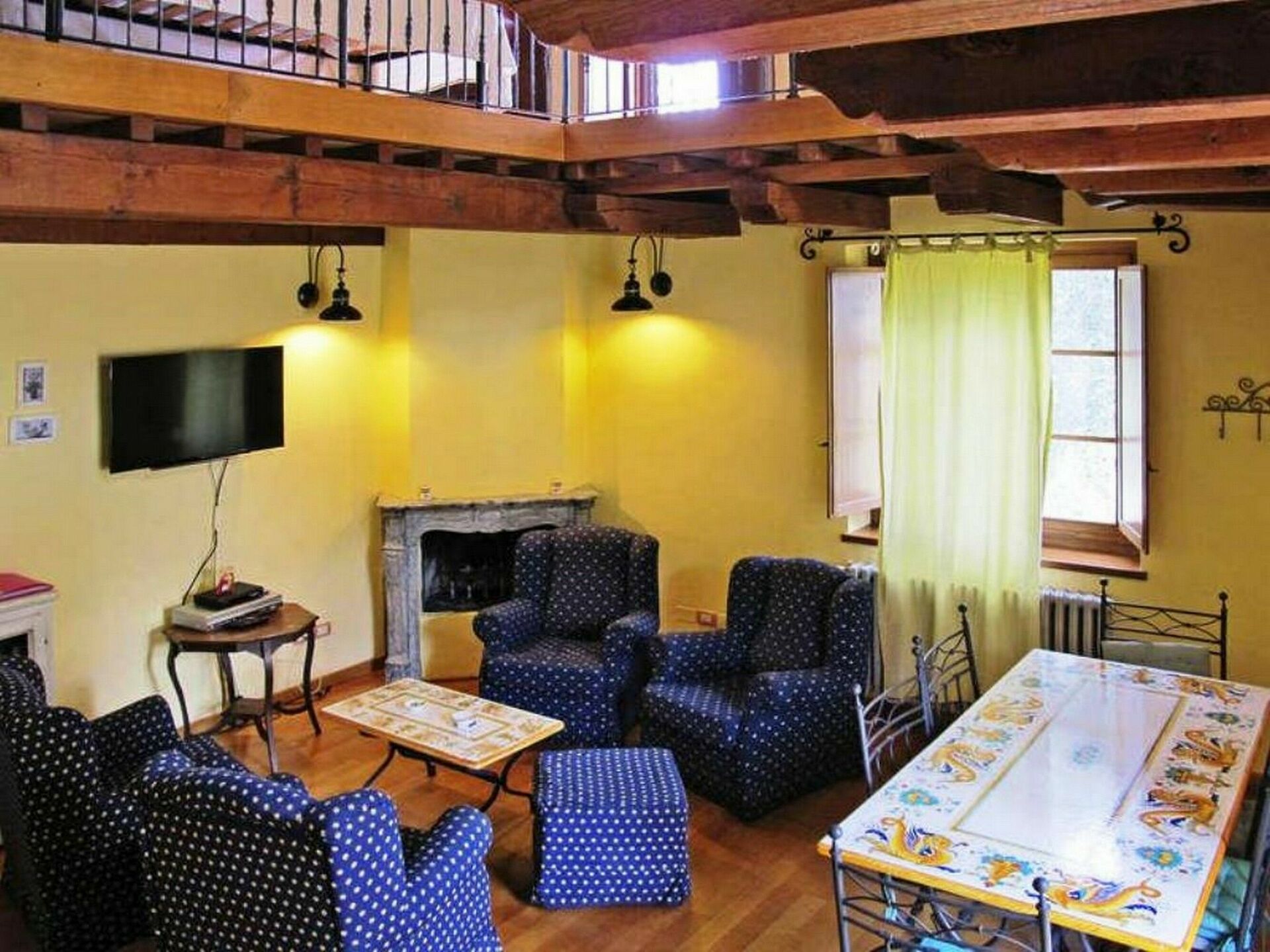
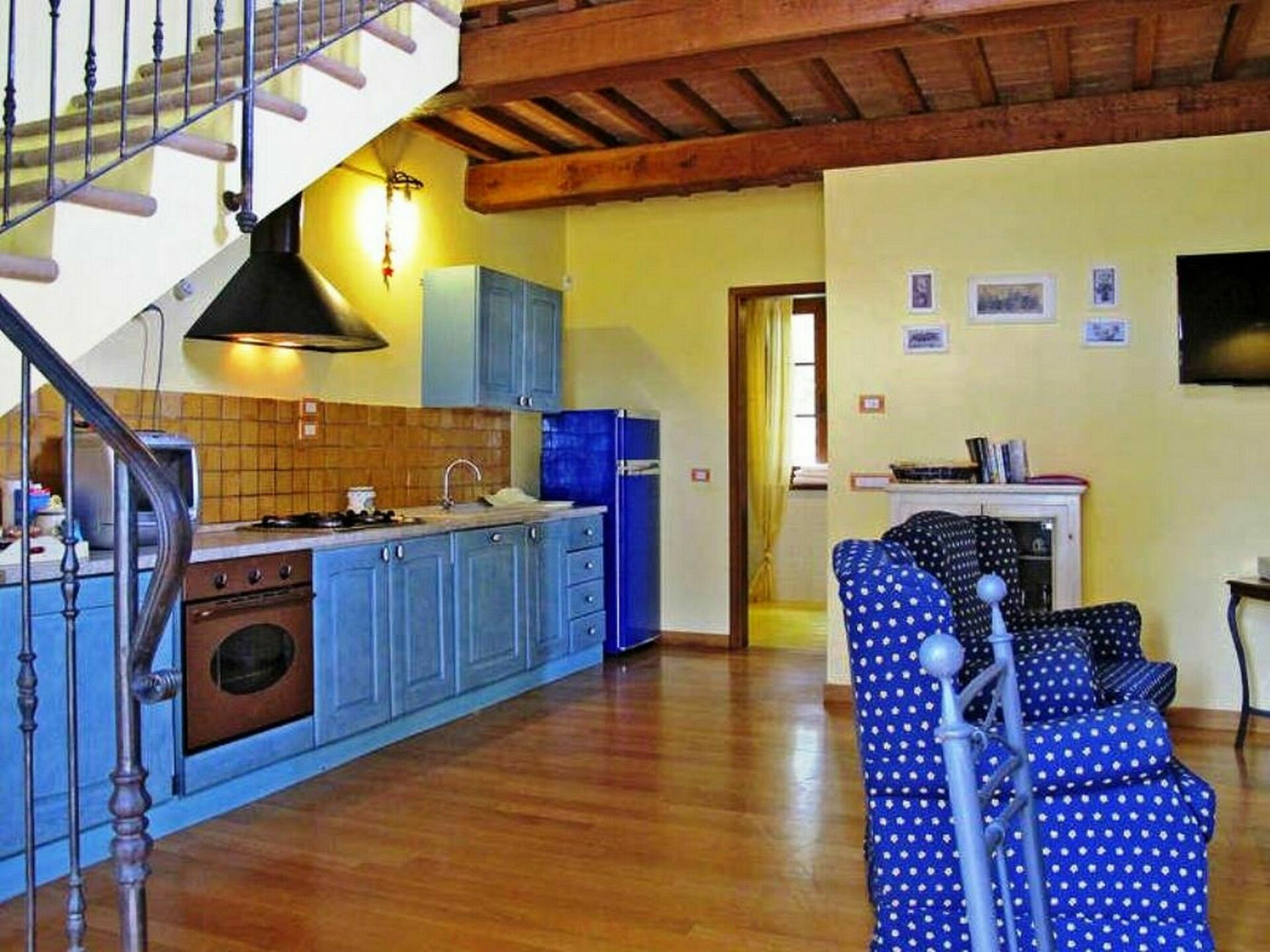
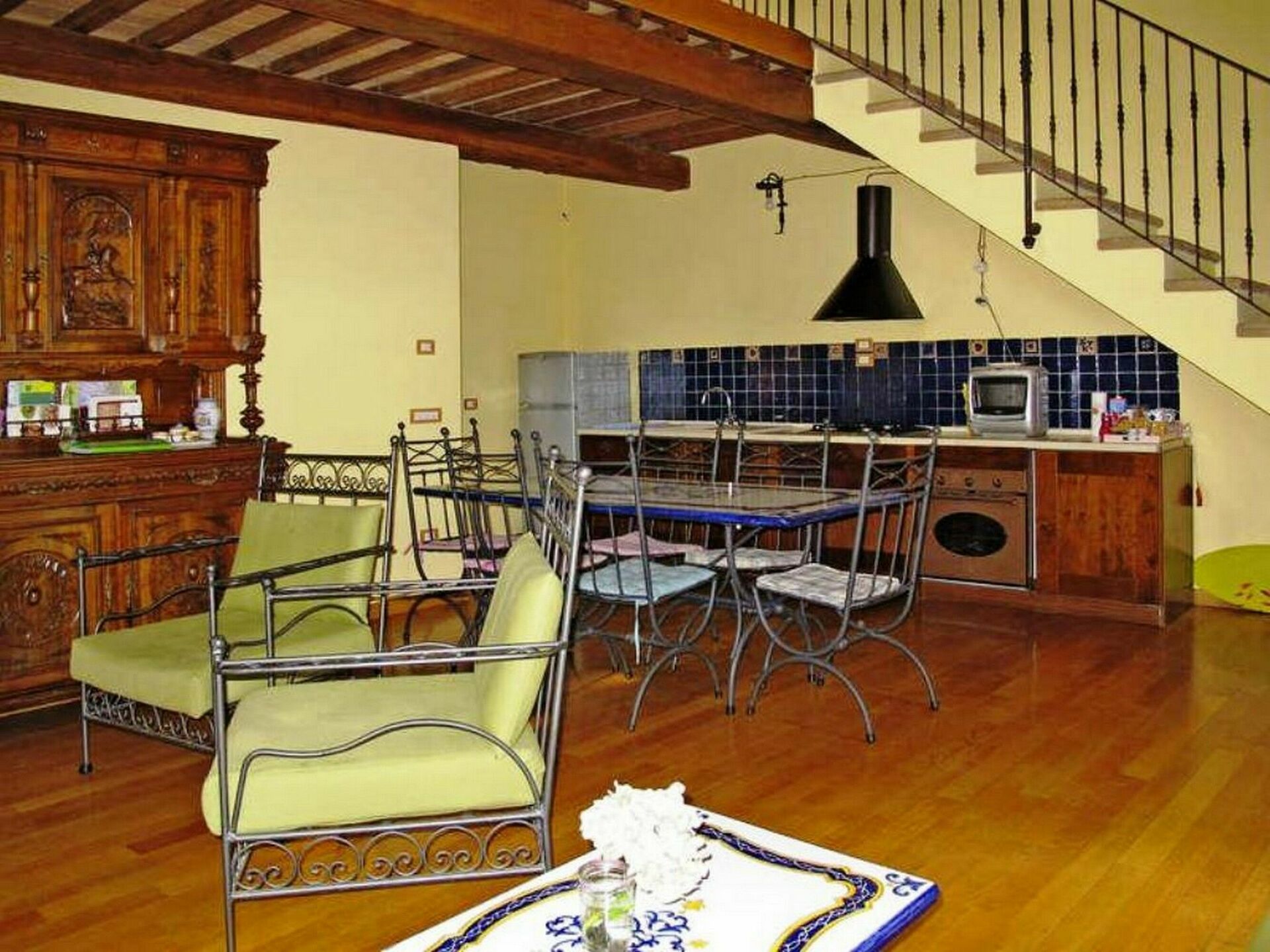
Keuken 1: goed uitgeruste keuken, eettafel, vaatwasser, ijskast, diepvriezer, magnetron, houtkachel, oven, broodrooster, italiaans koffiezetapparaat, koffiezetapparaat, WIFI internet, airconditioning.
Keuken 2: goed uitgeruste keuken, ijskast, diepvriezer, kookplaat, italiaans koffiezetapparaat, koffiezetapparaat, WIFI internet, airconditioning.
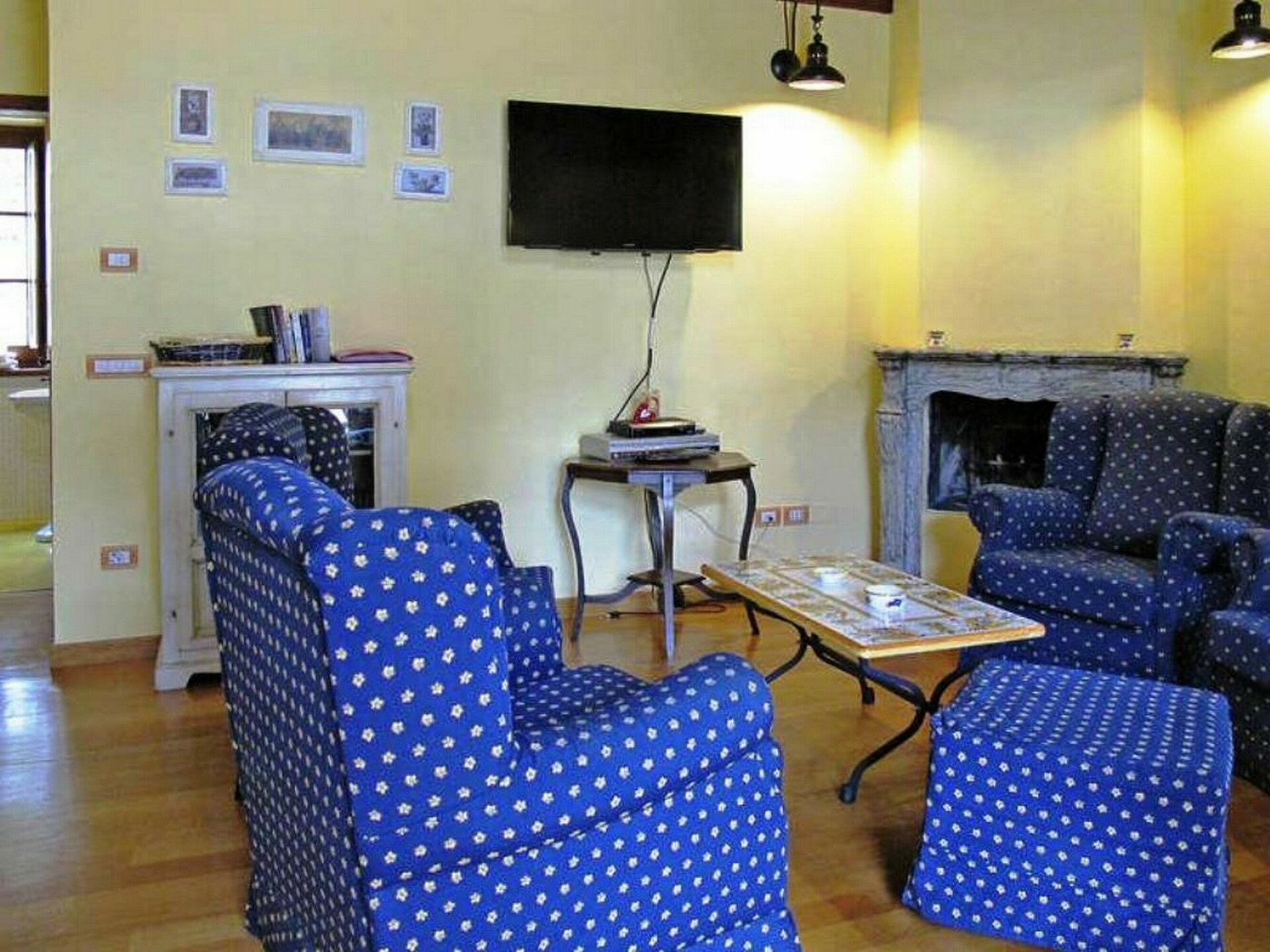
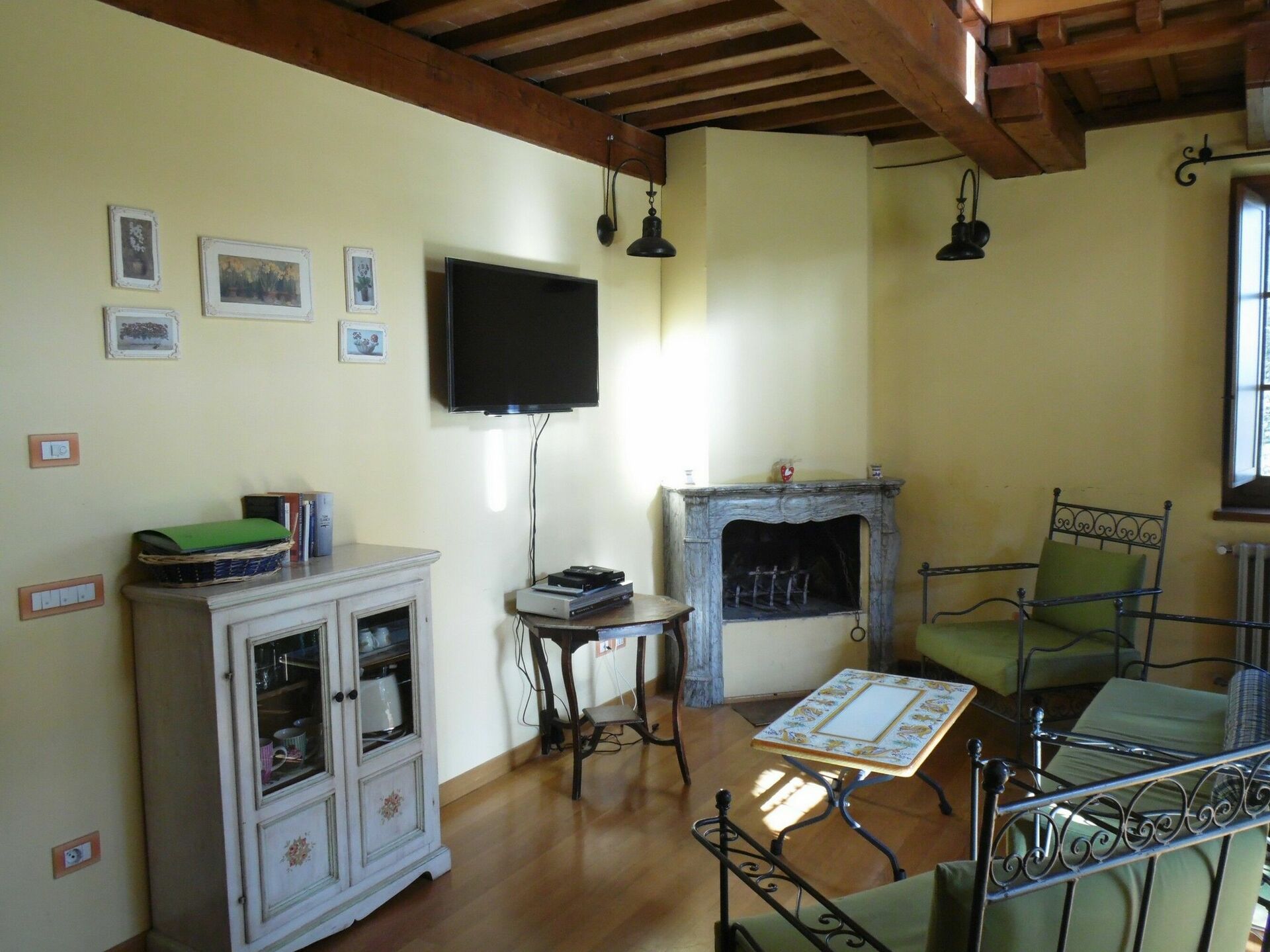
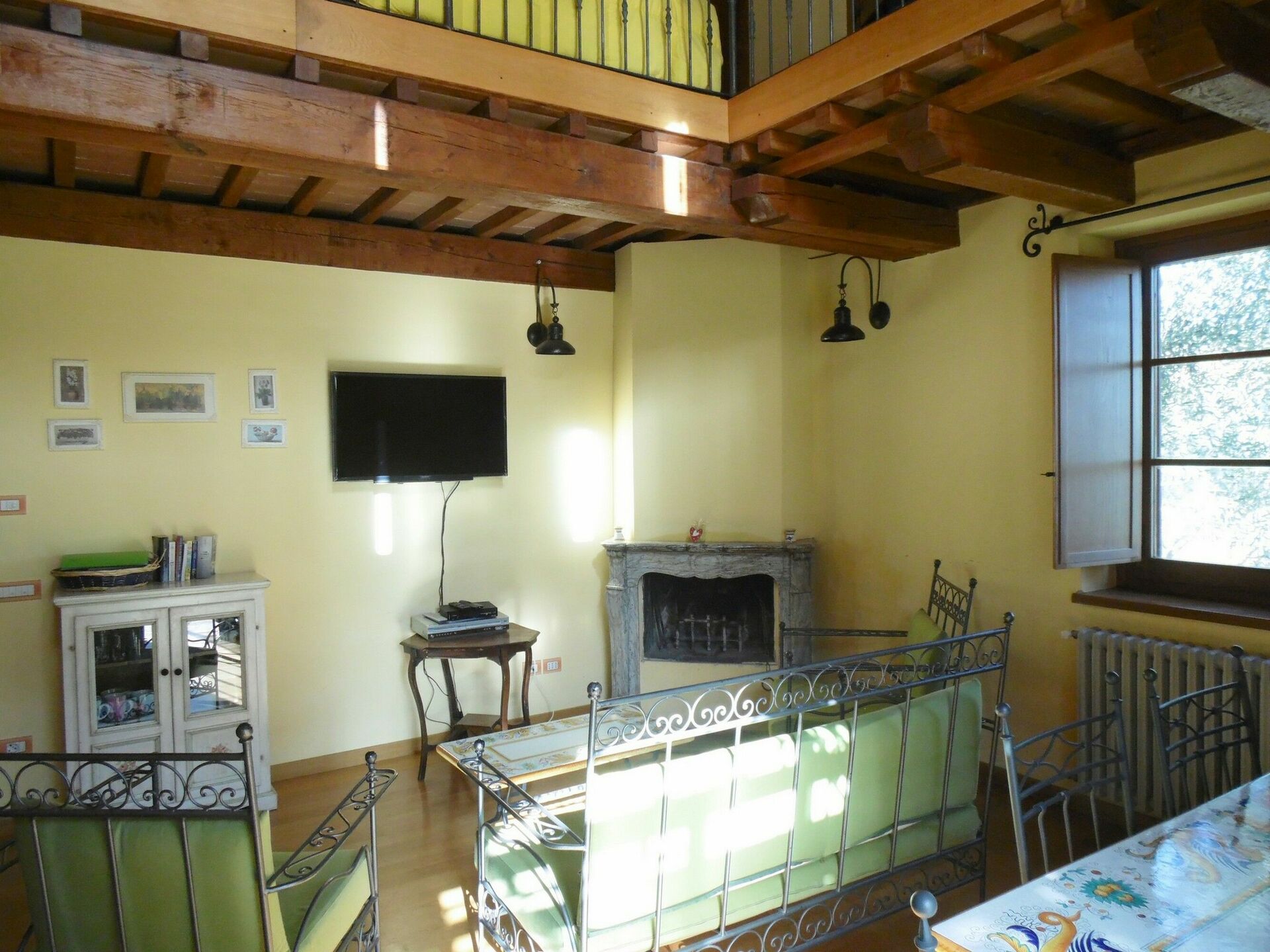
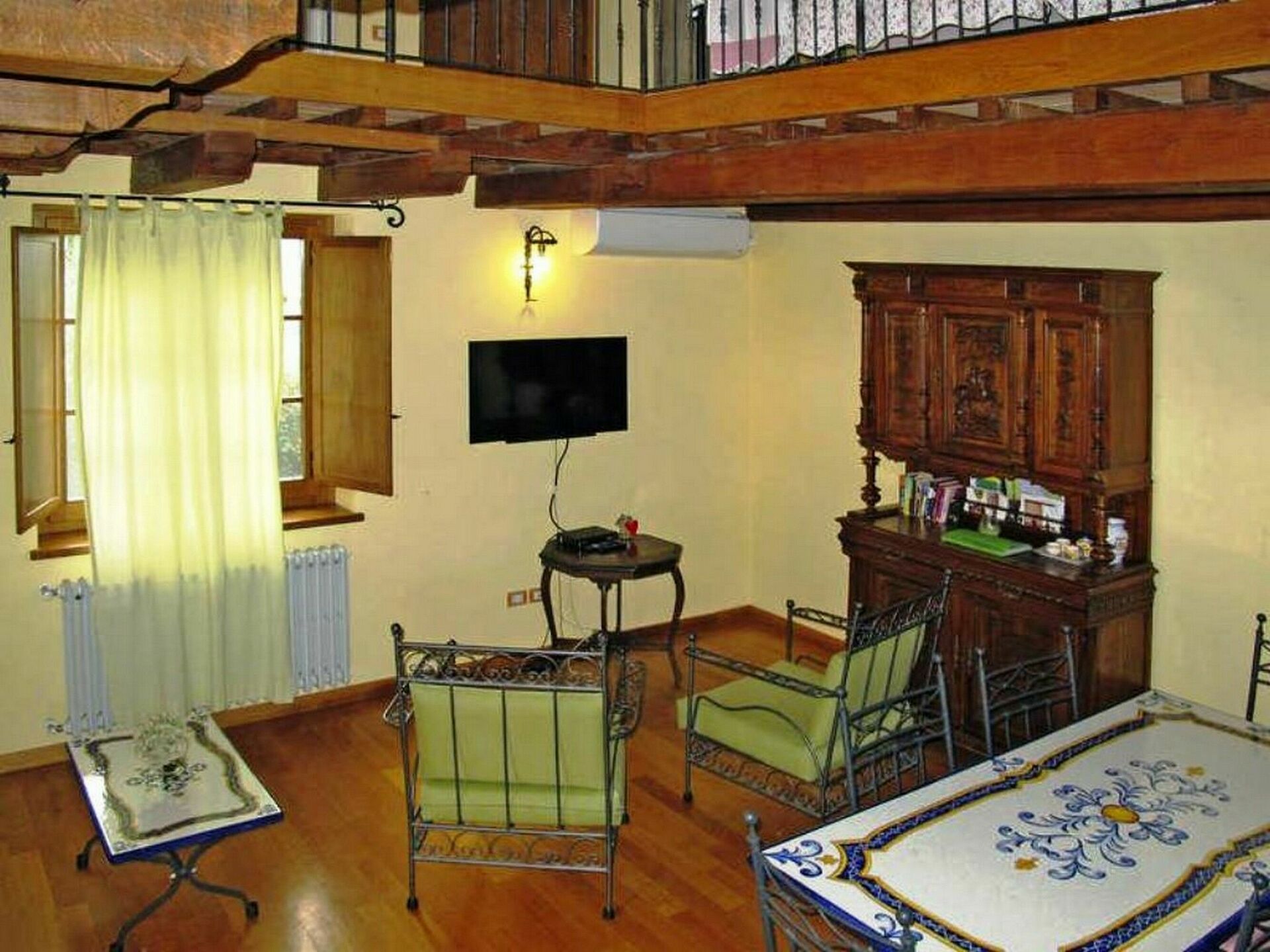
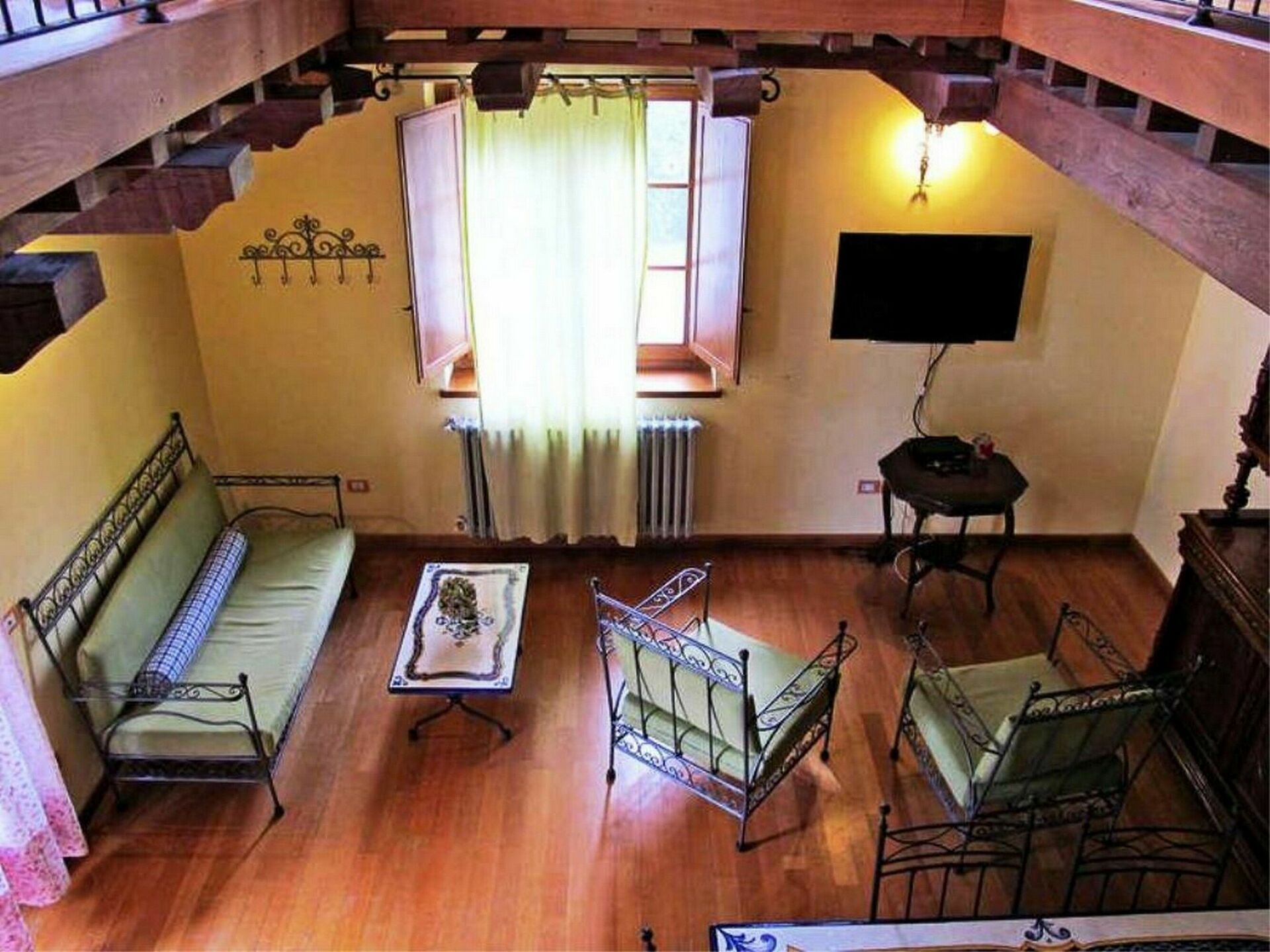
Woonkamer 1: bank, fauteuil, bureau, eettafel, WIFI internet, airconditioning, tv, uitgang naar de tuin.
Woonkamer 2: bank, fauteuil, bureau, WIFI internet, tv.
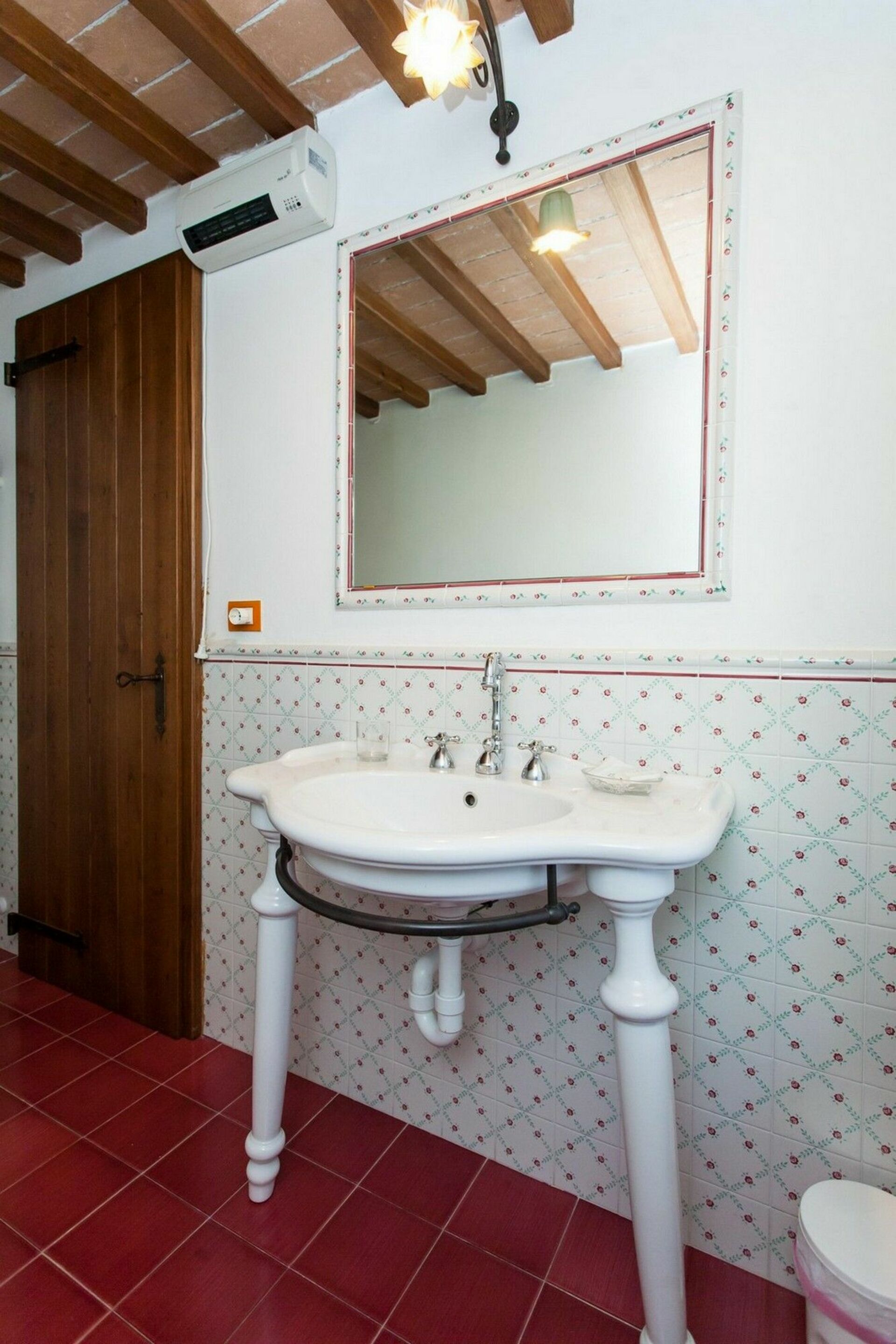
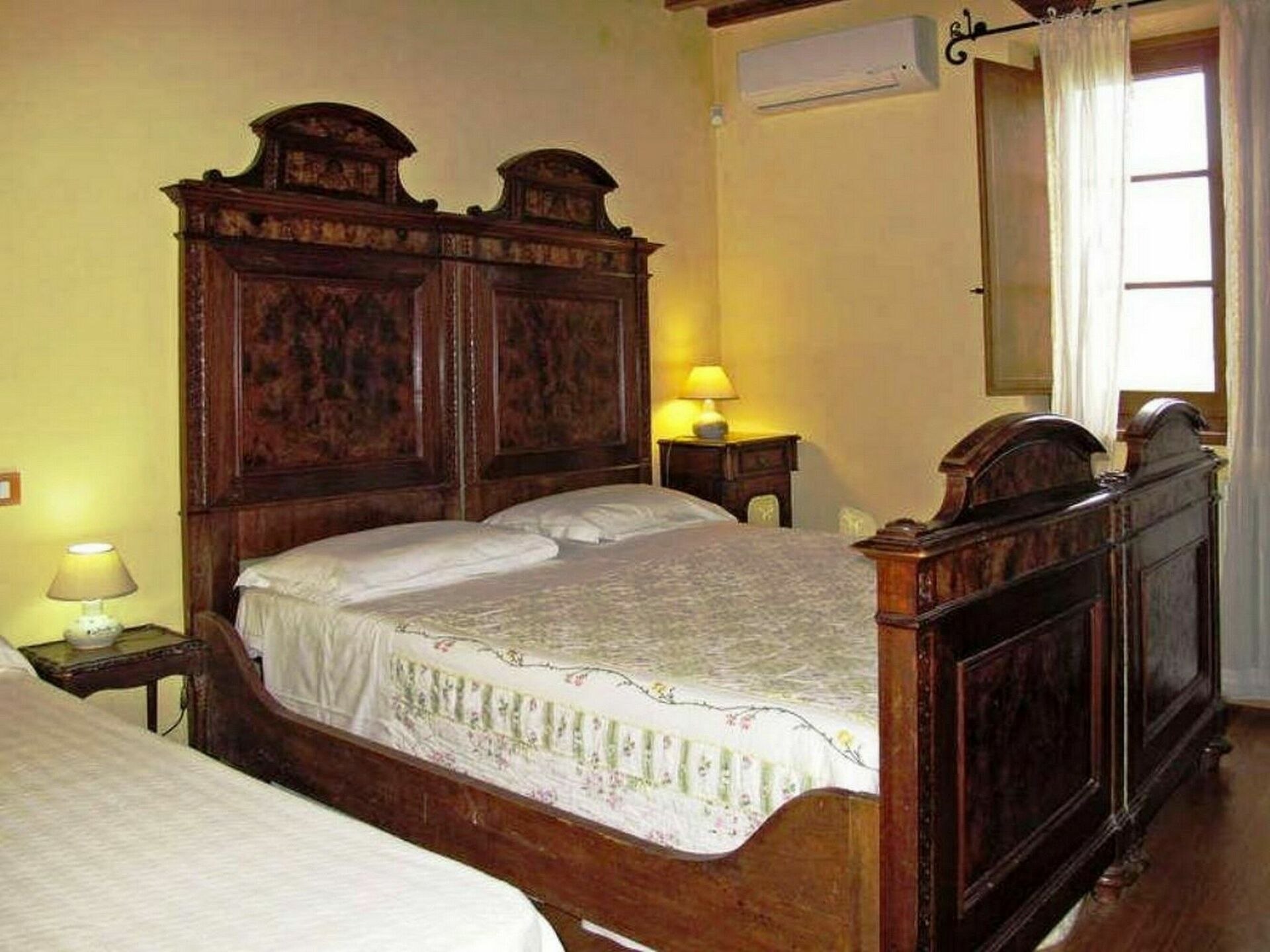
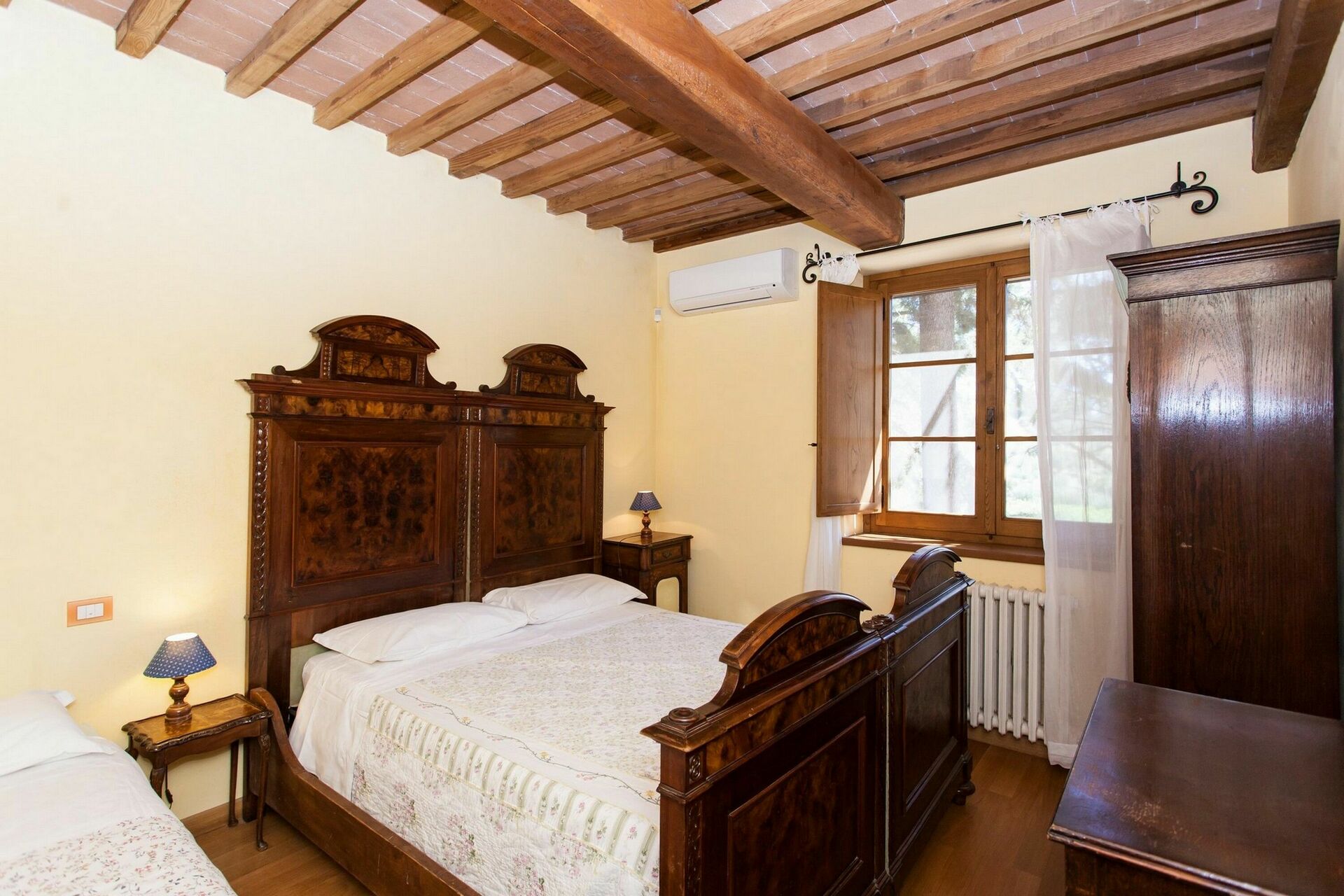
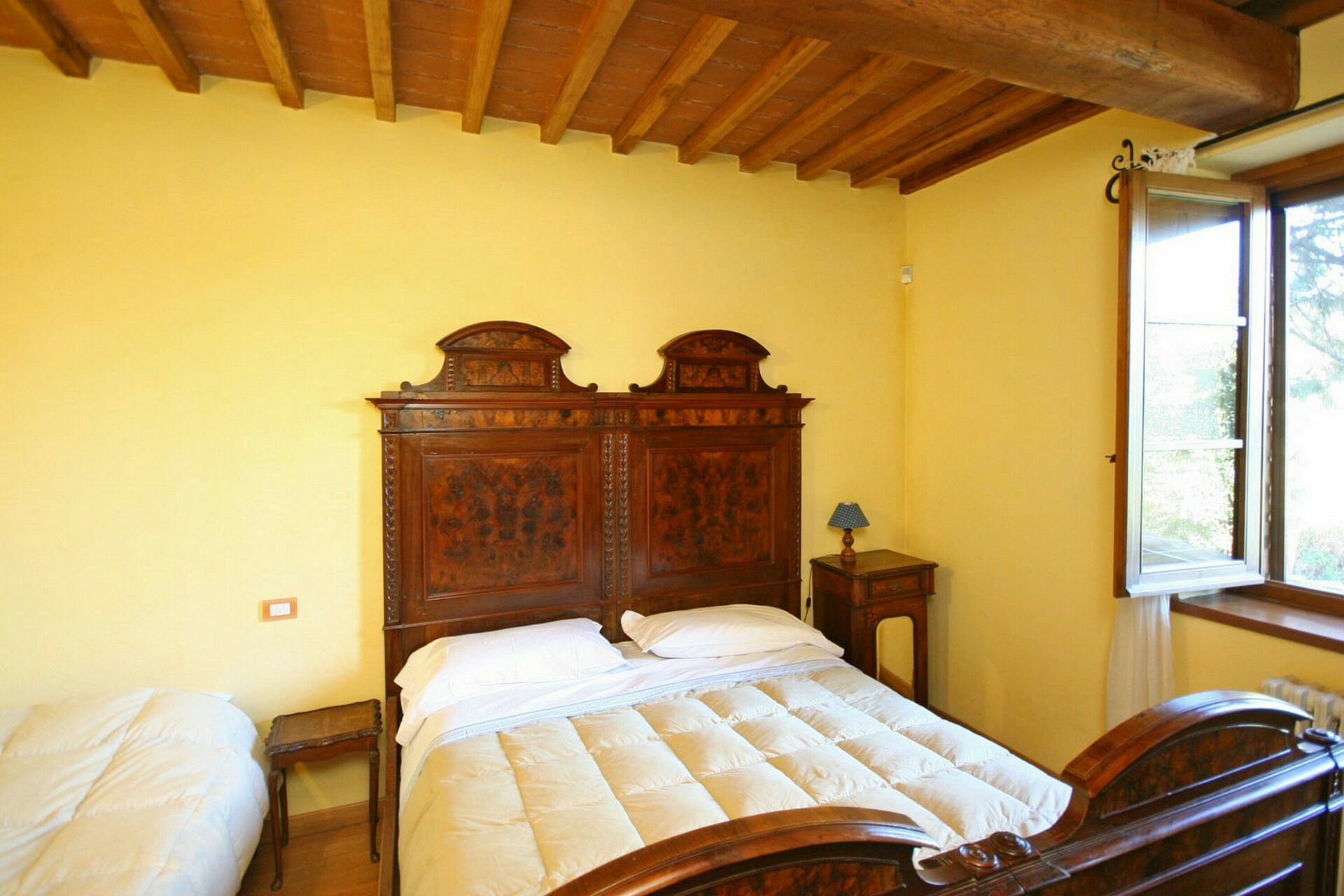
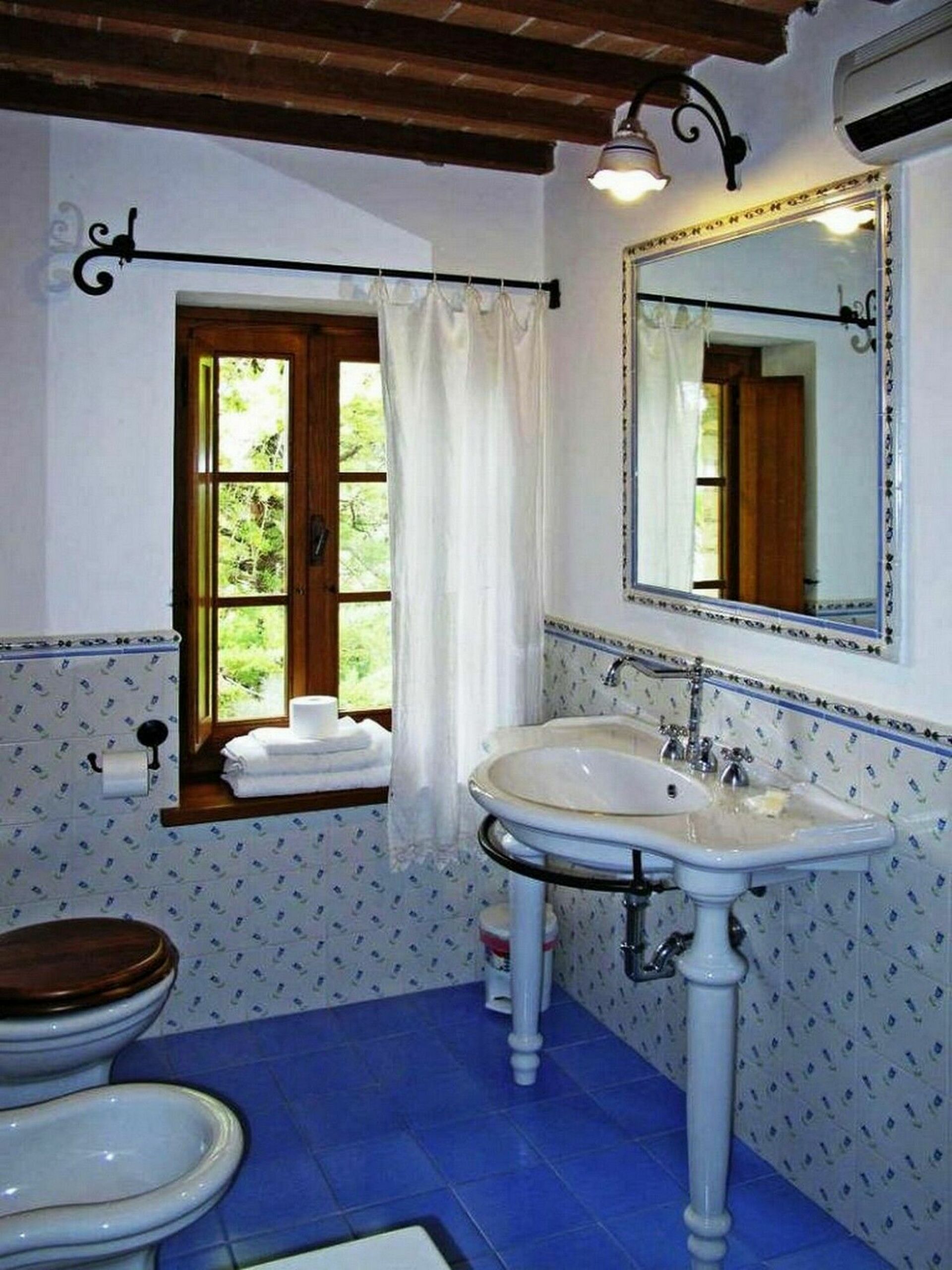
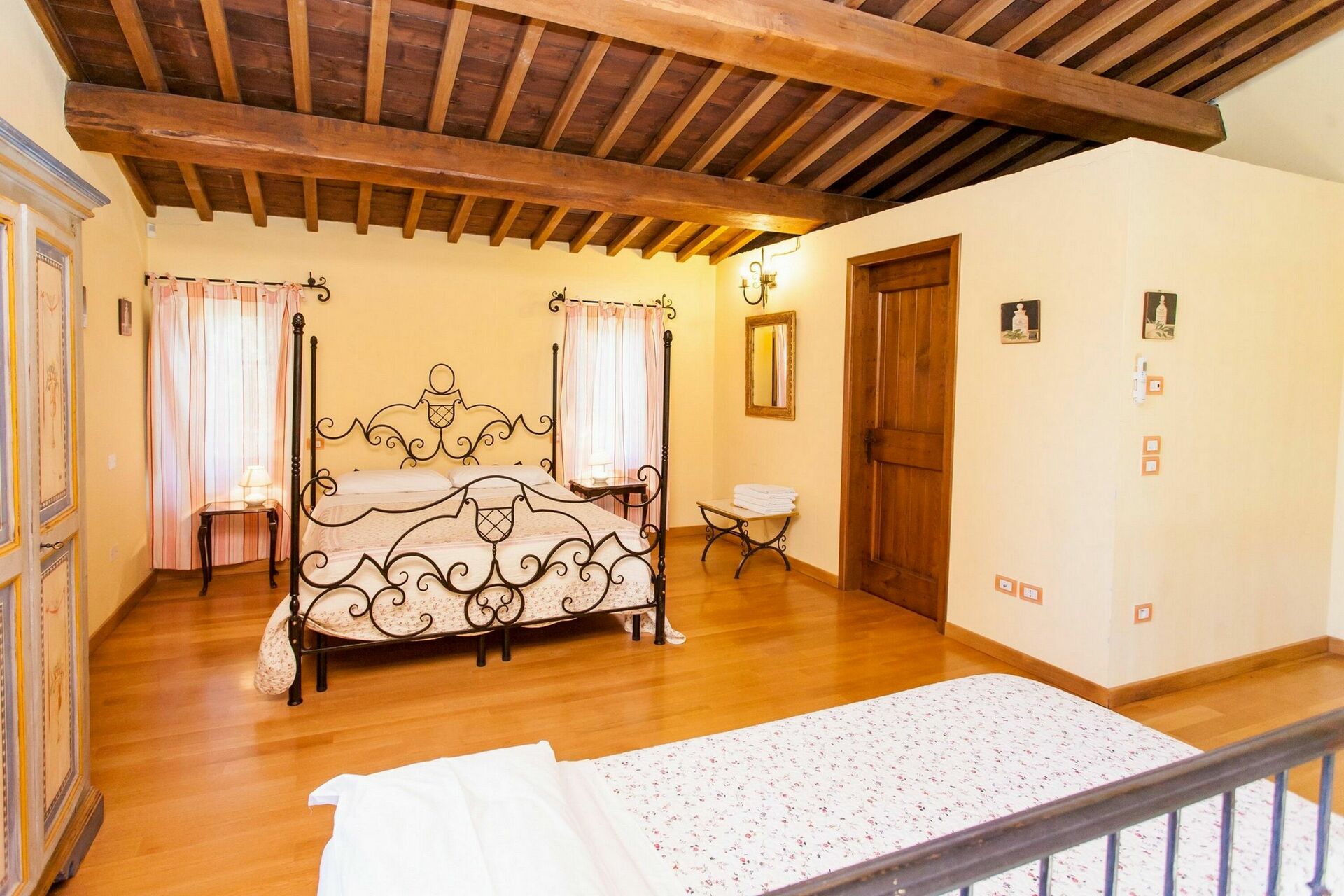
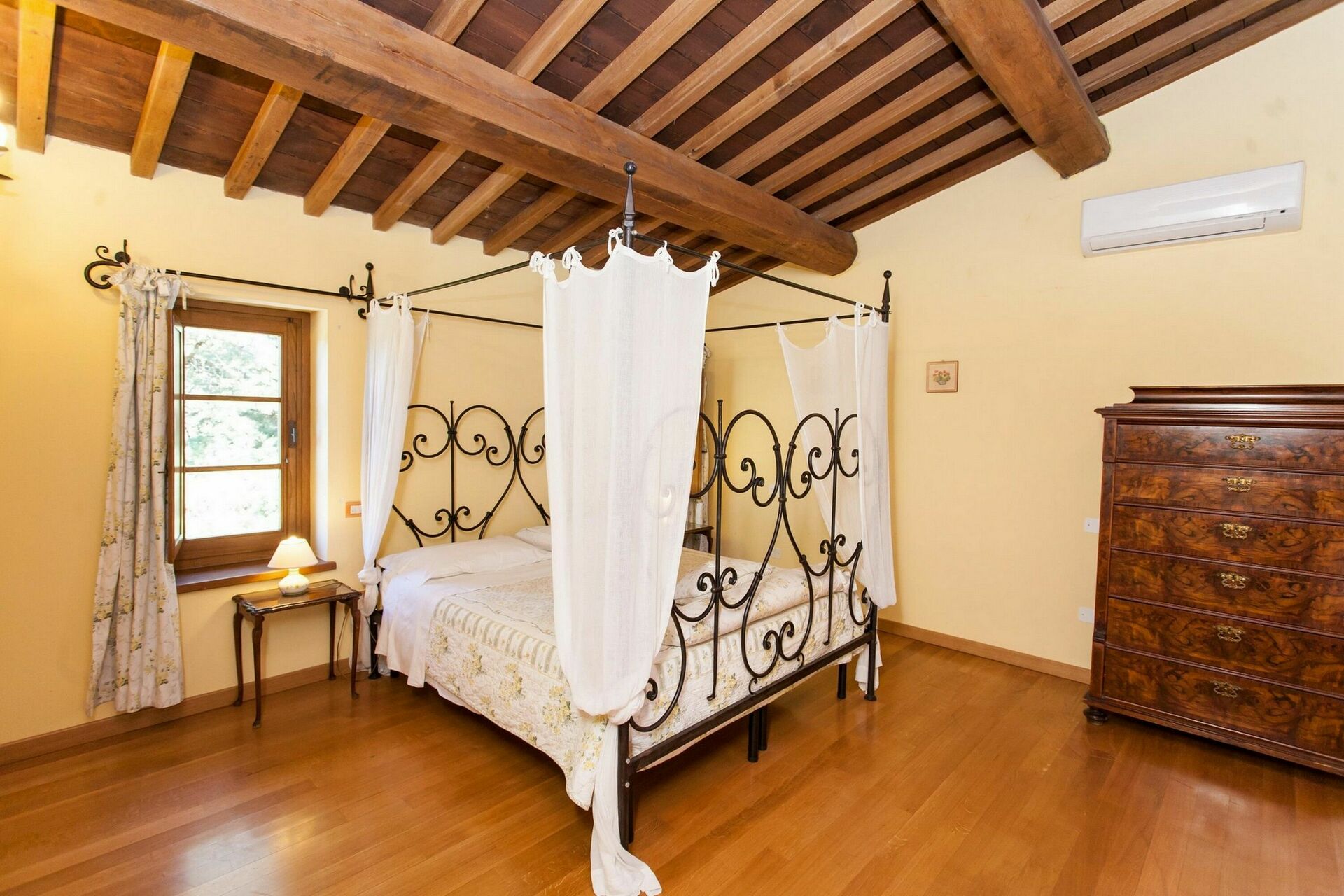
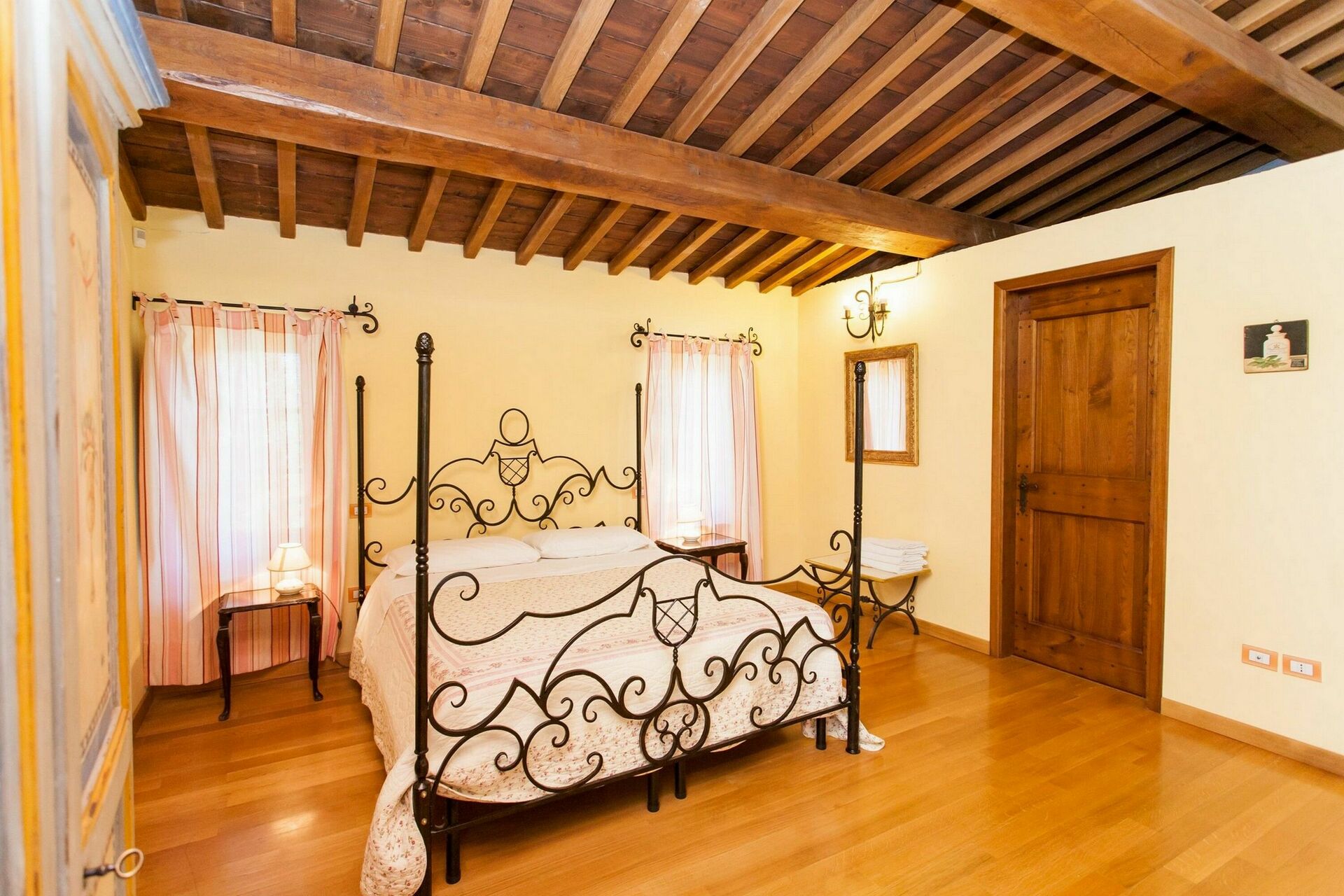
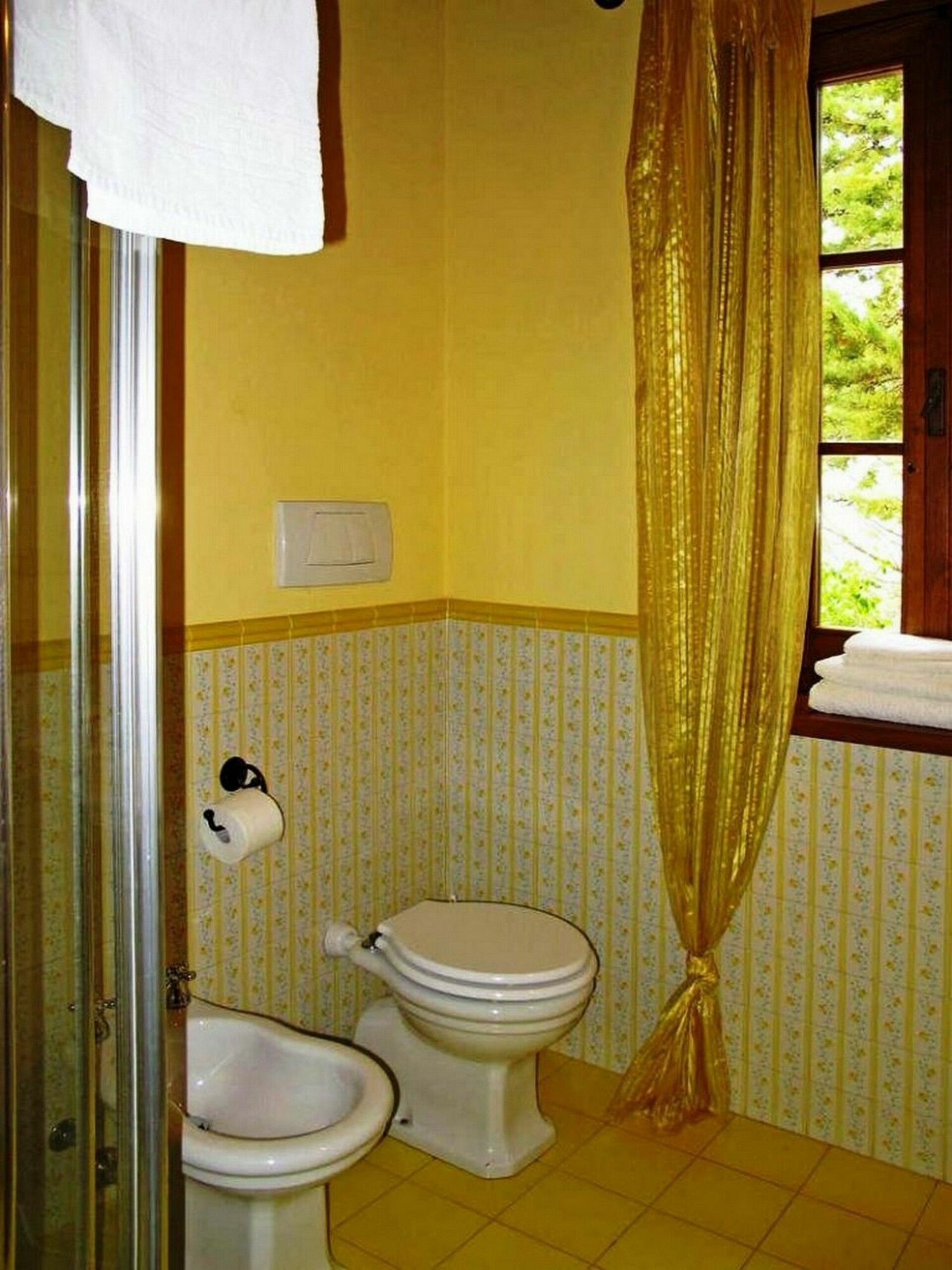
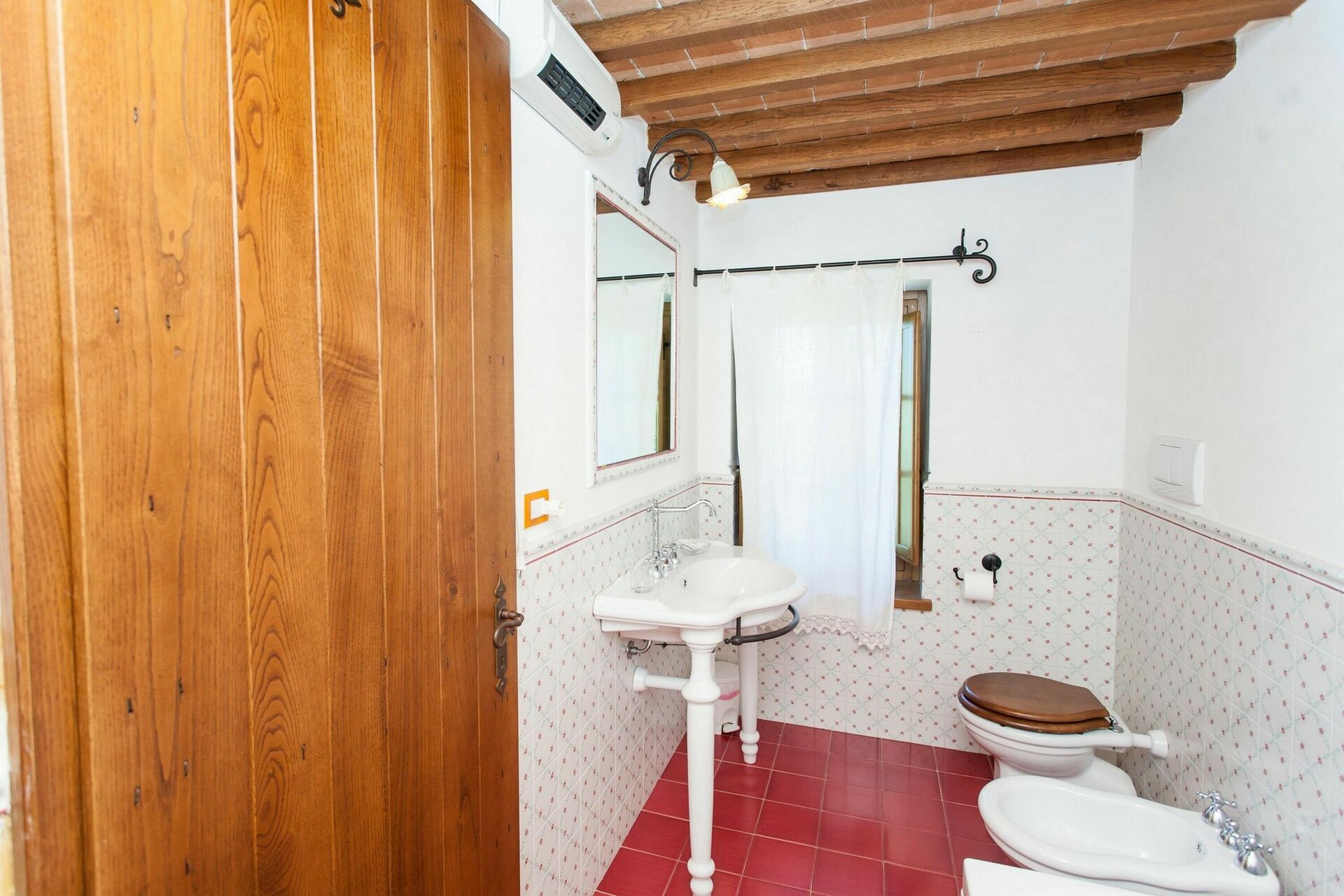
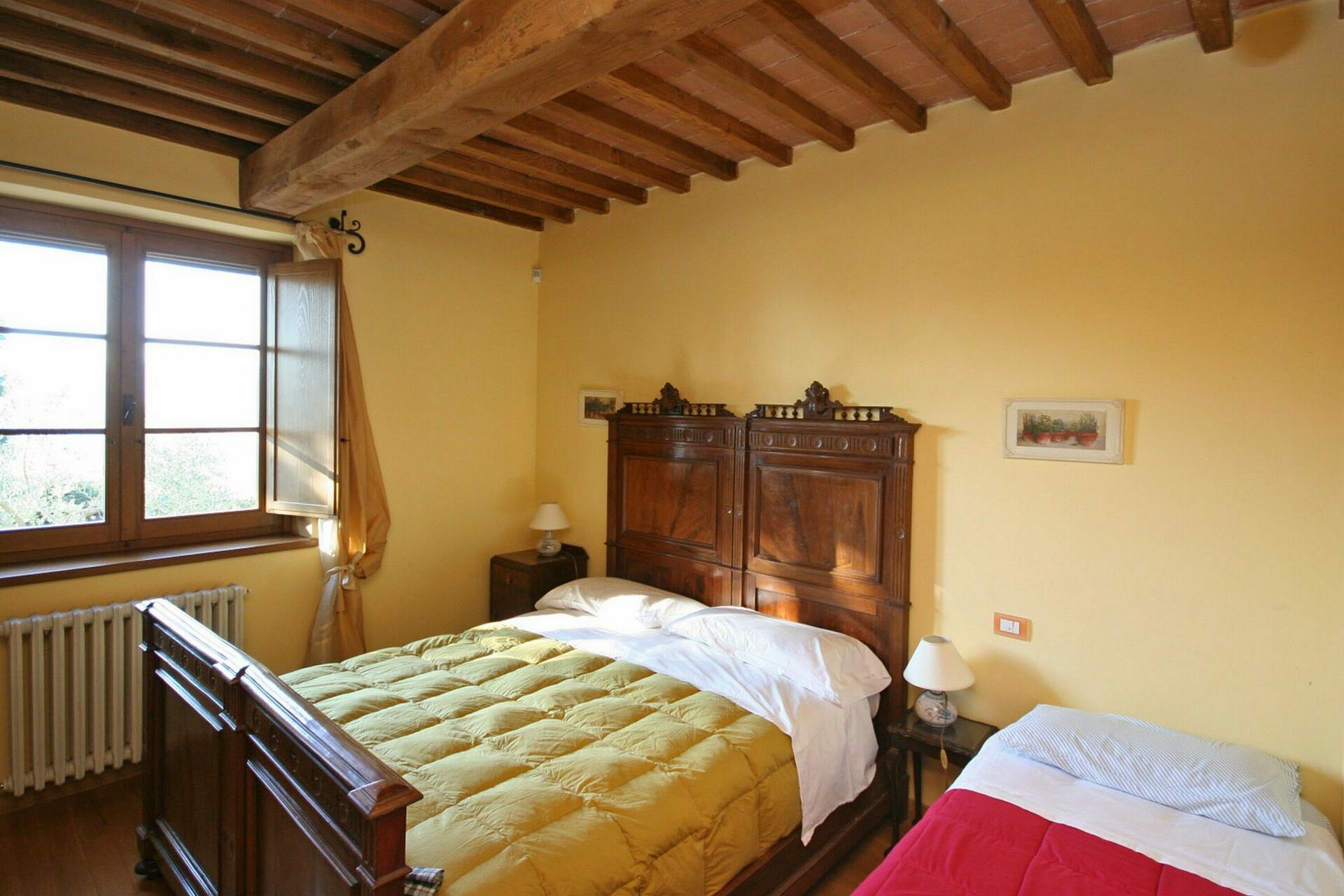
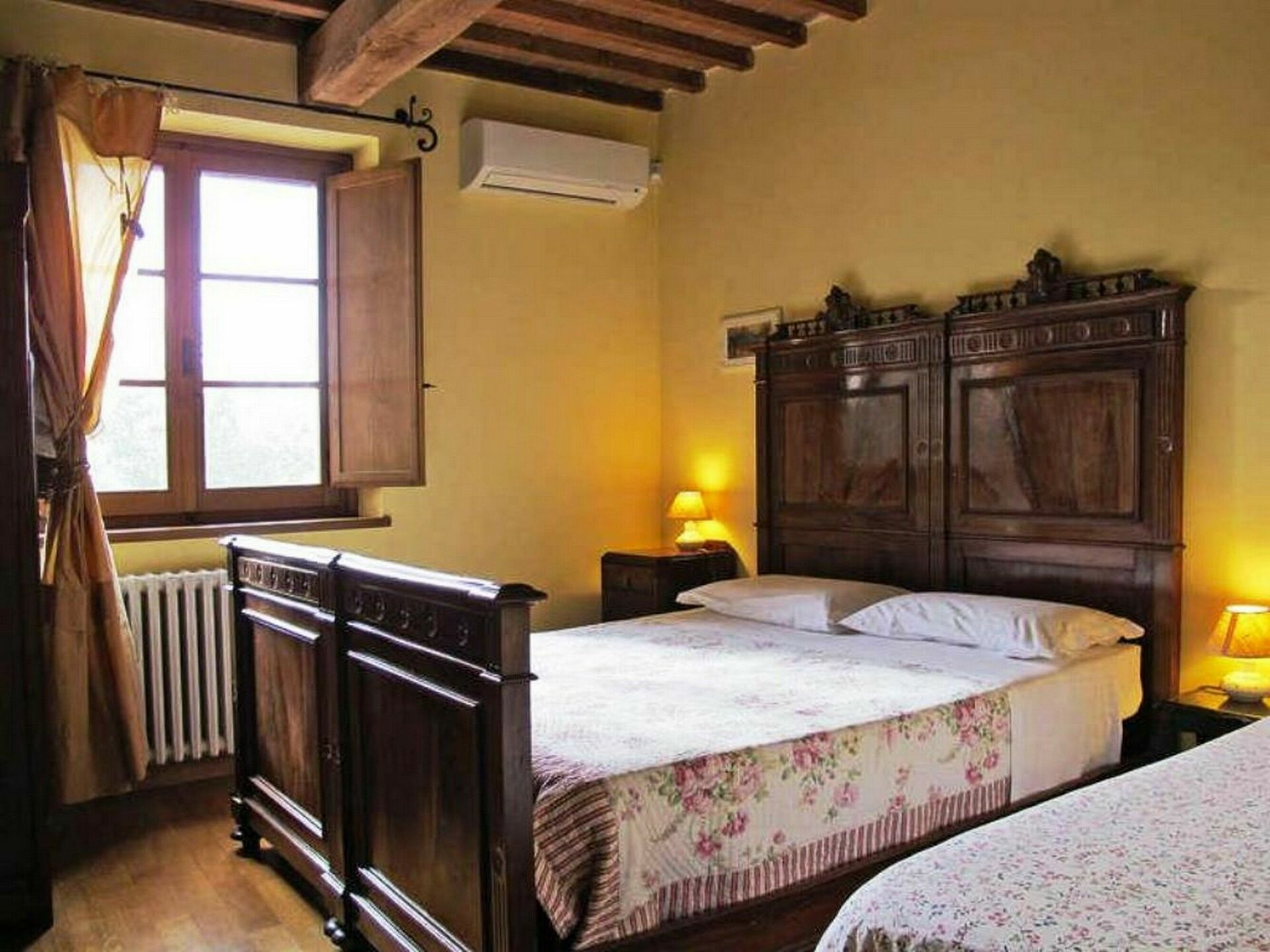
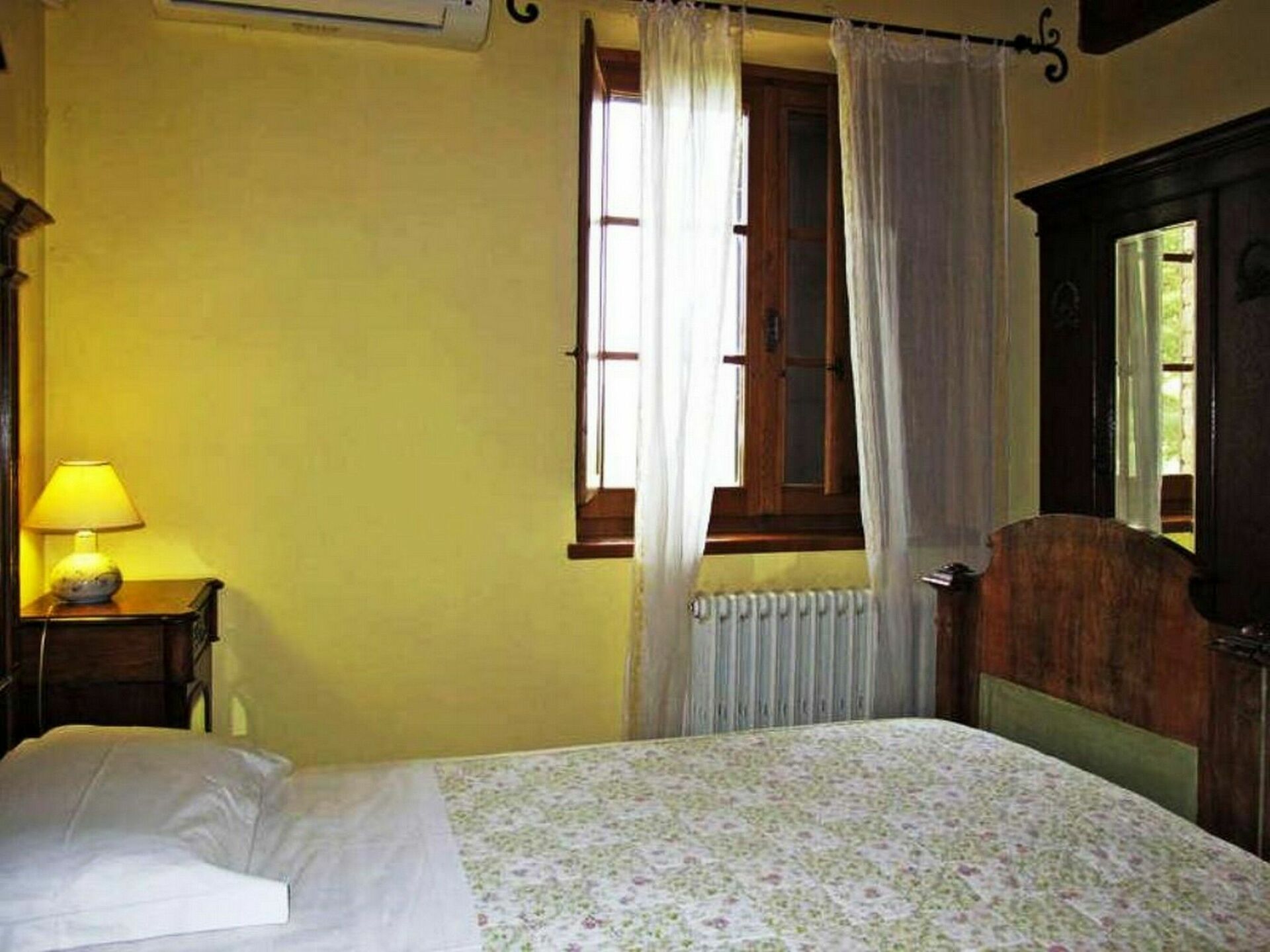
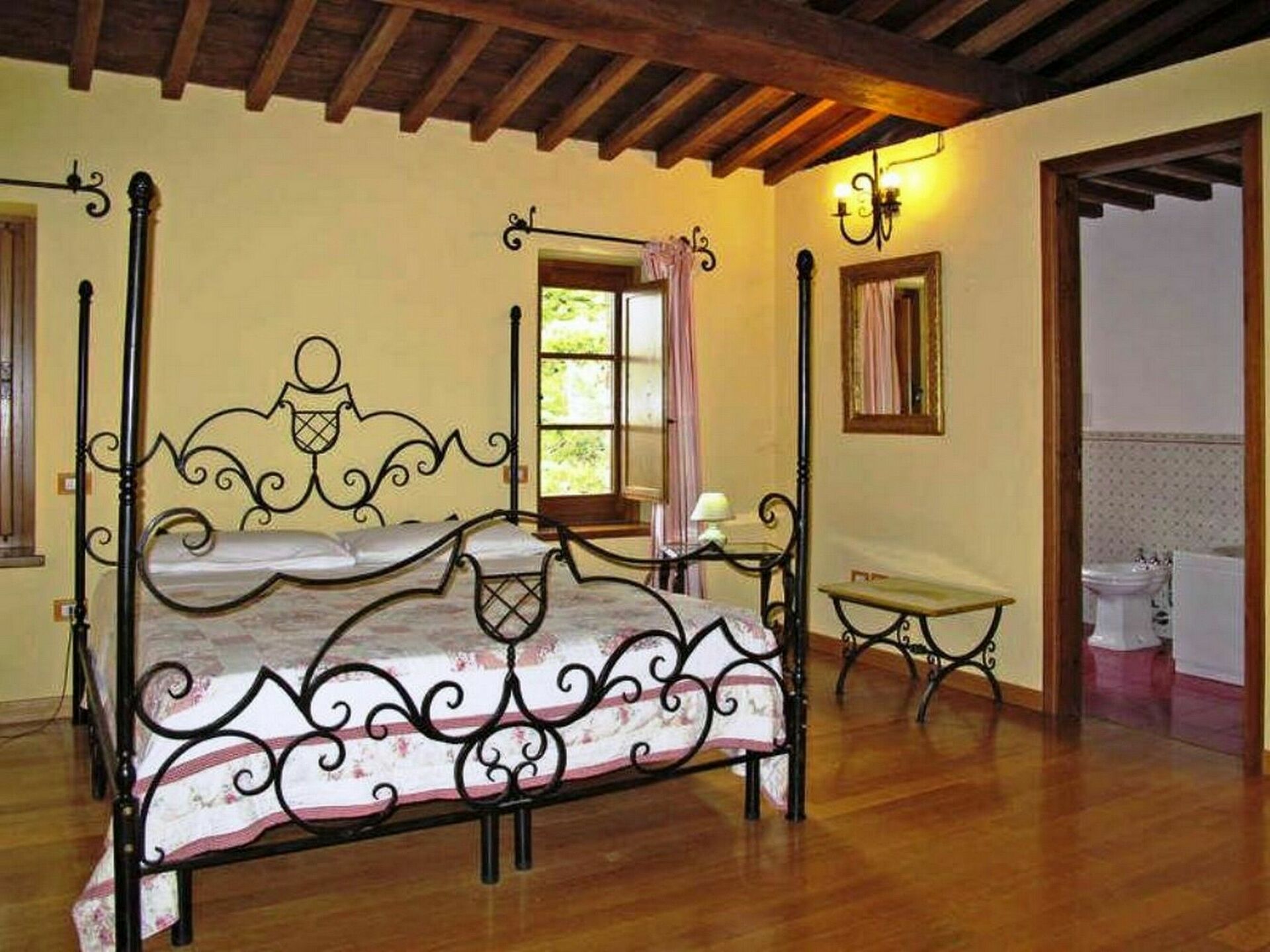
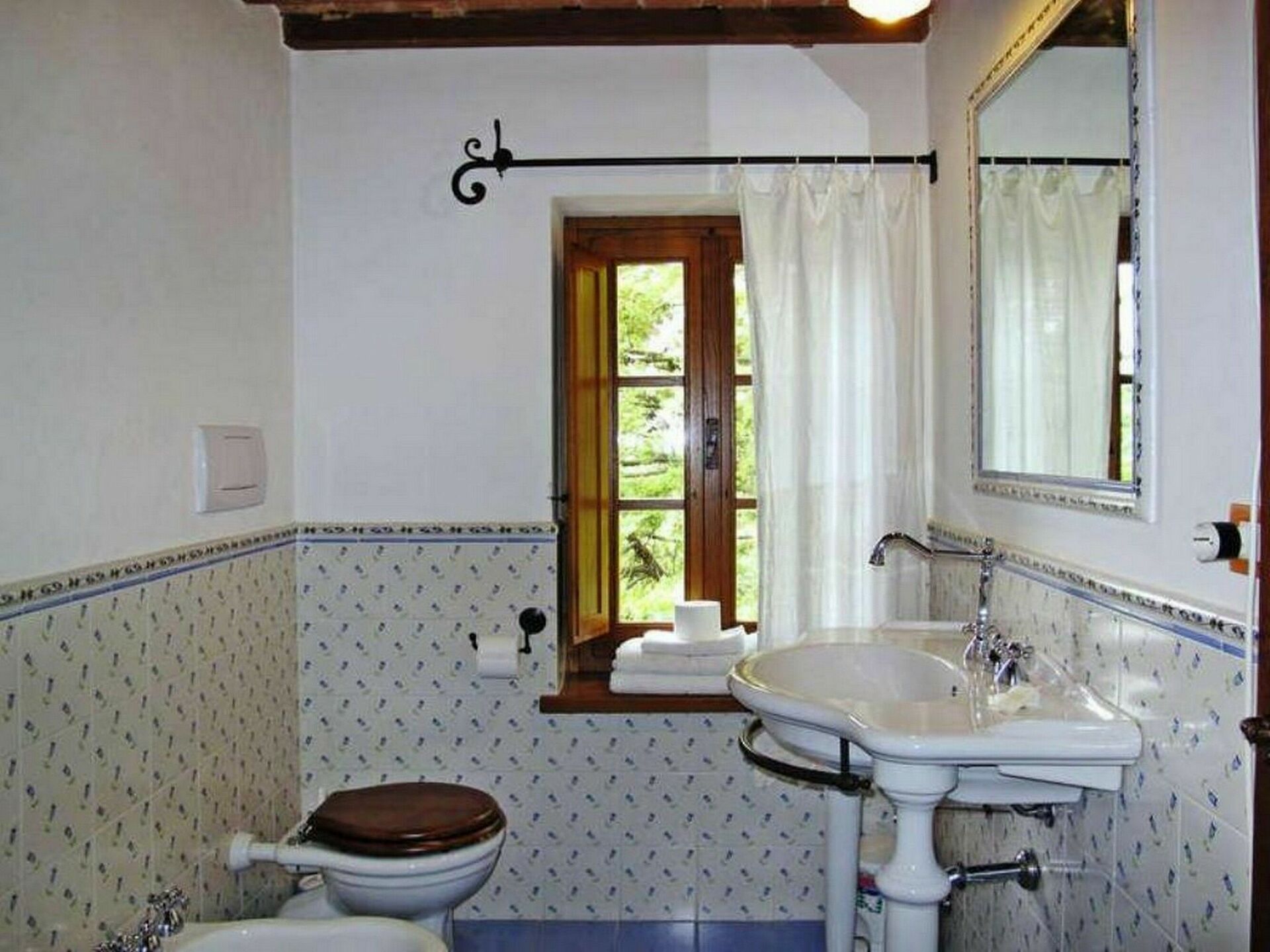
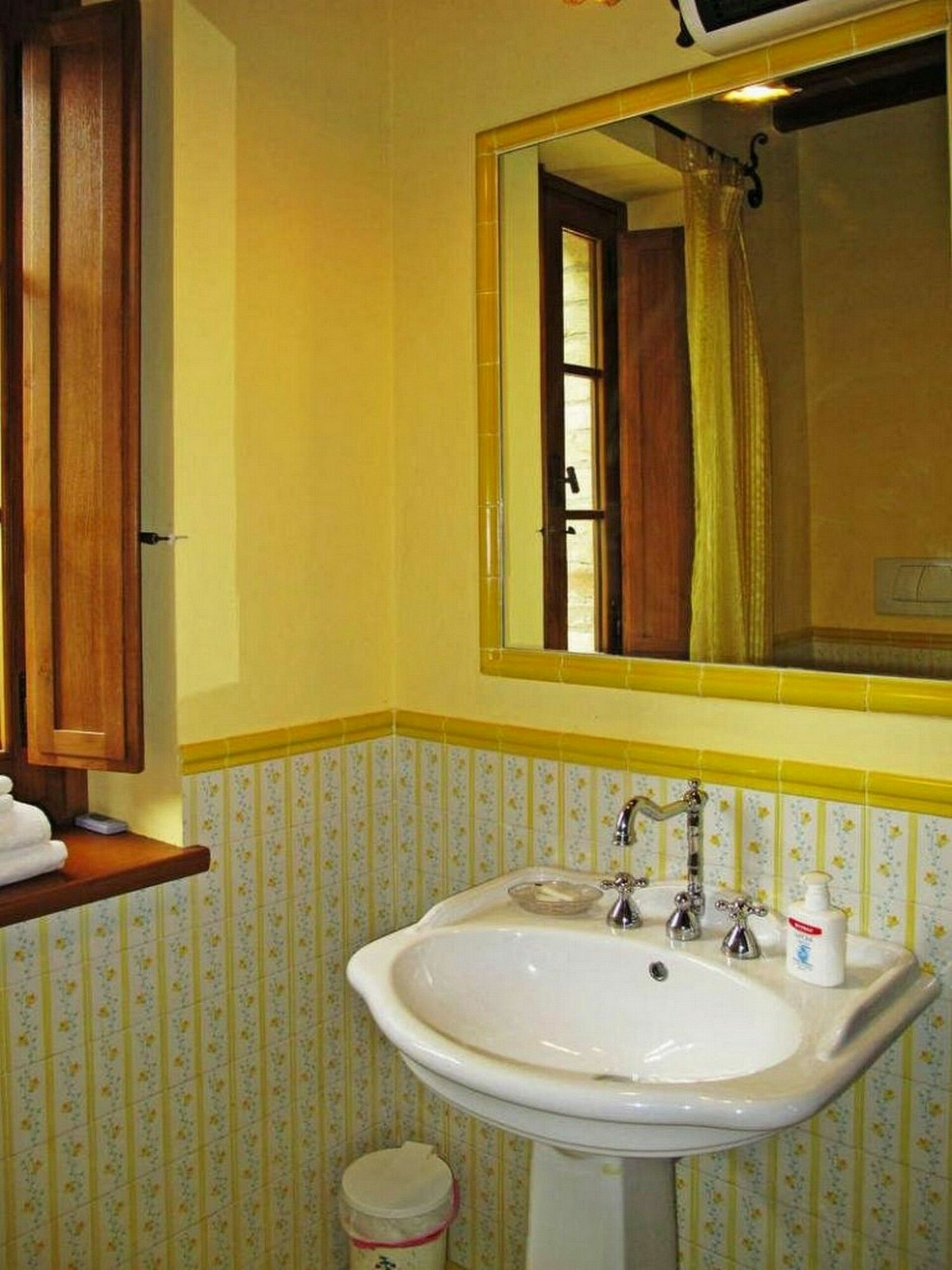
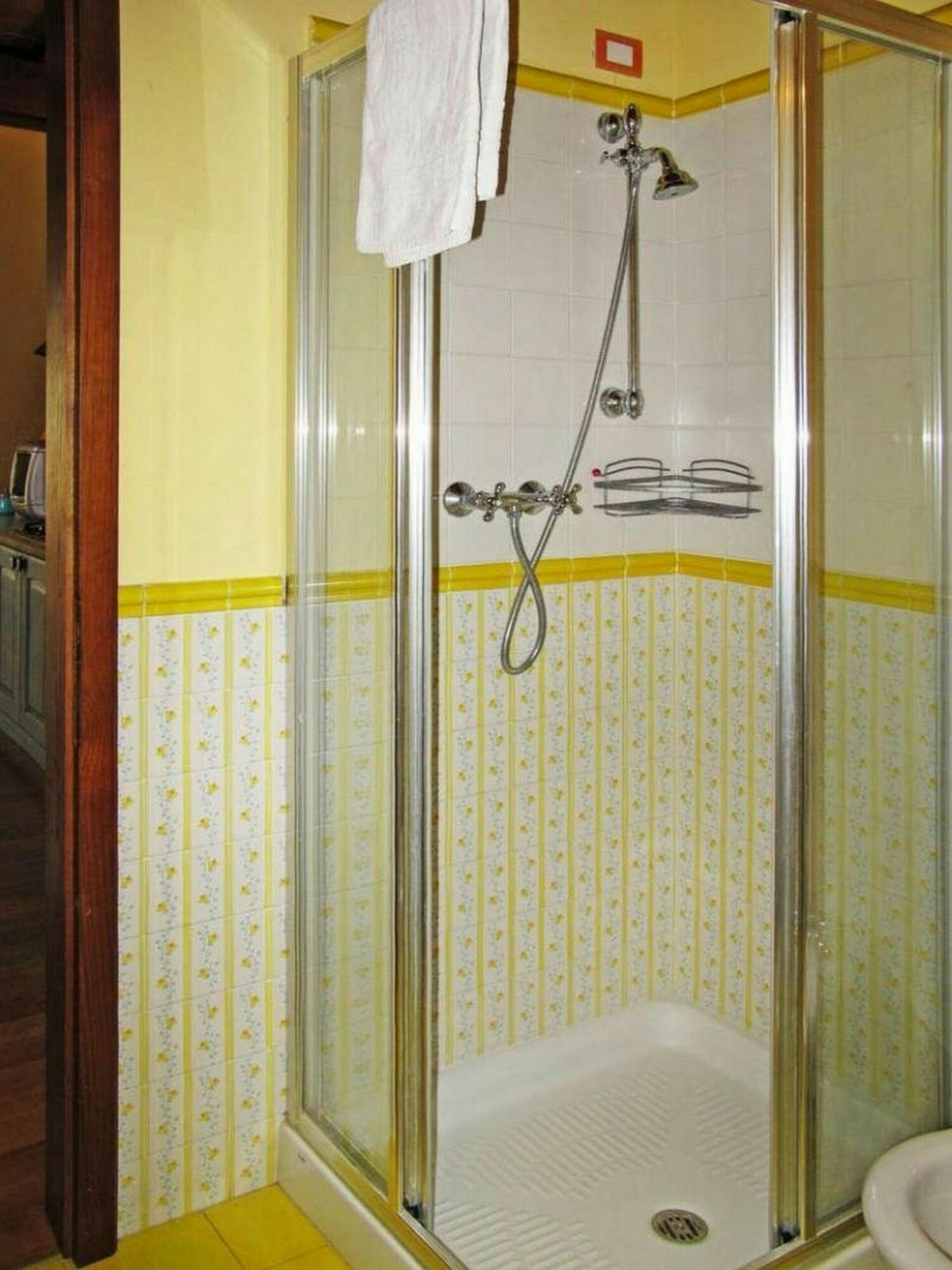
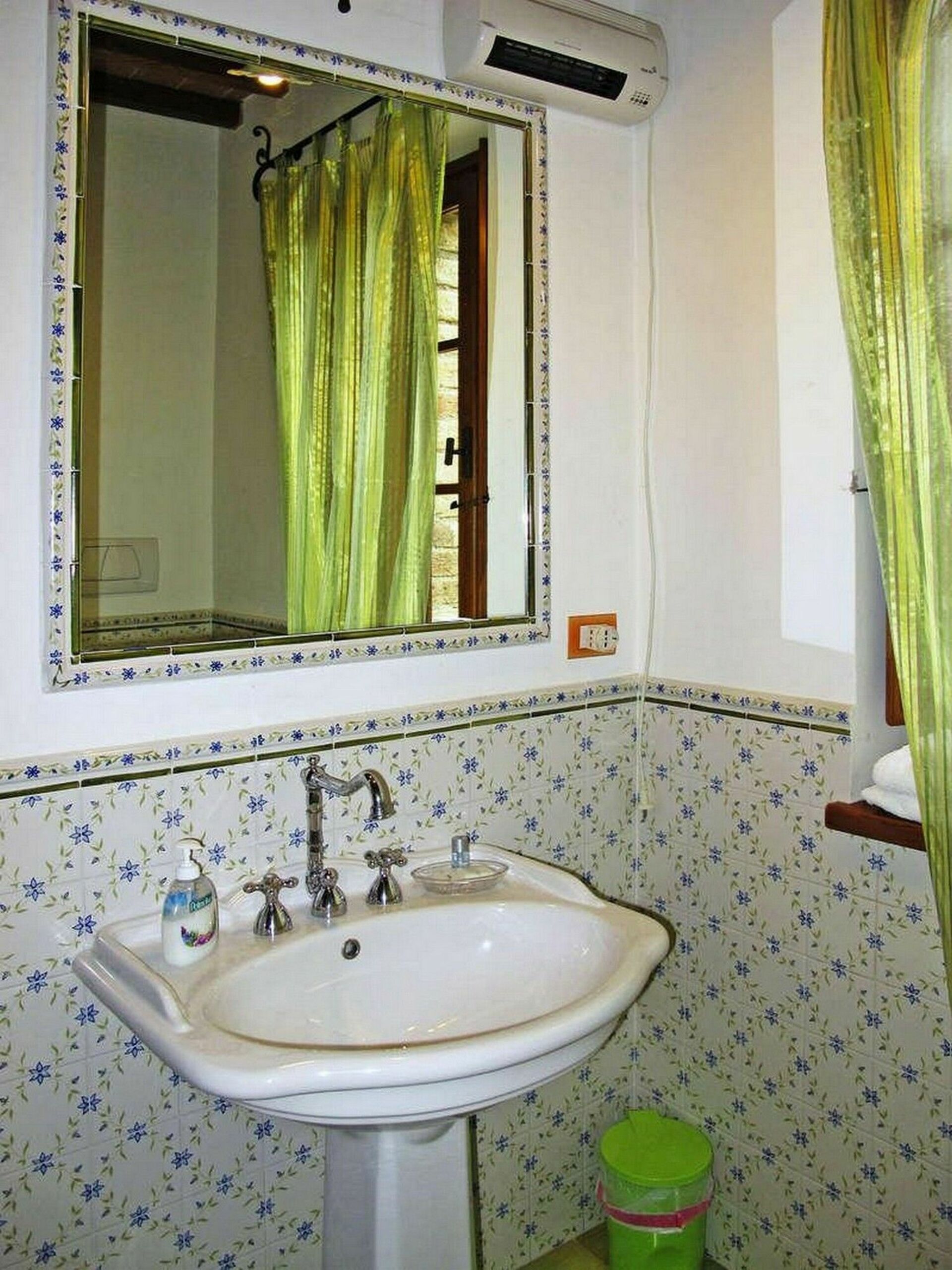
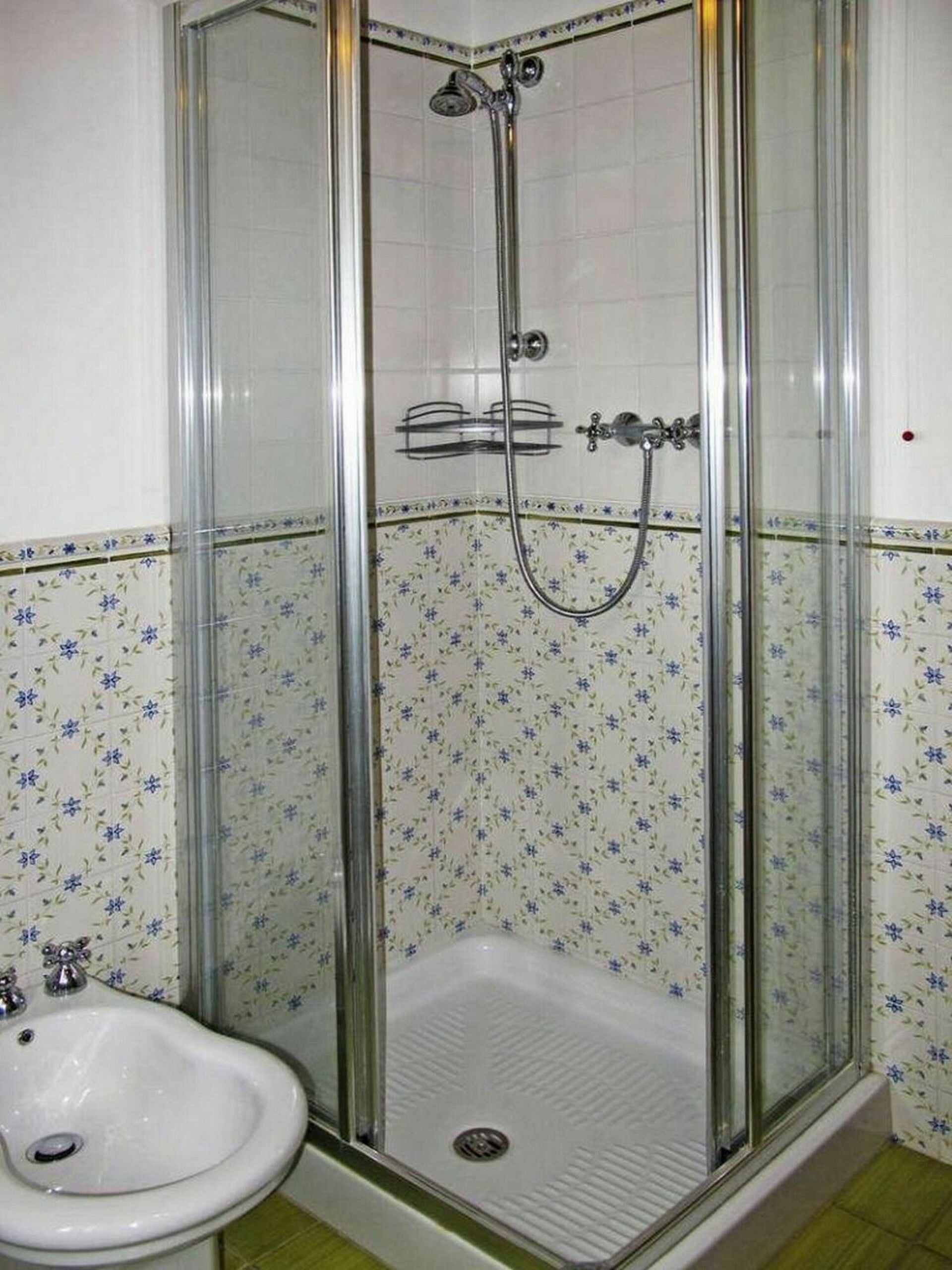
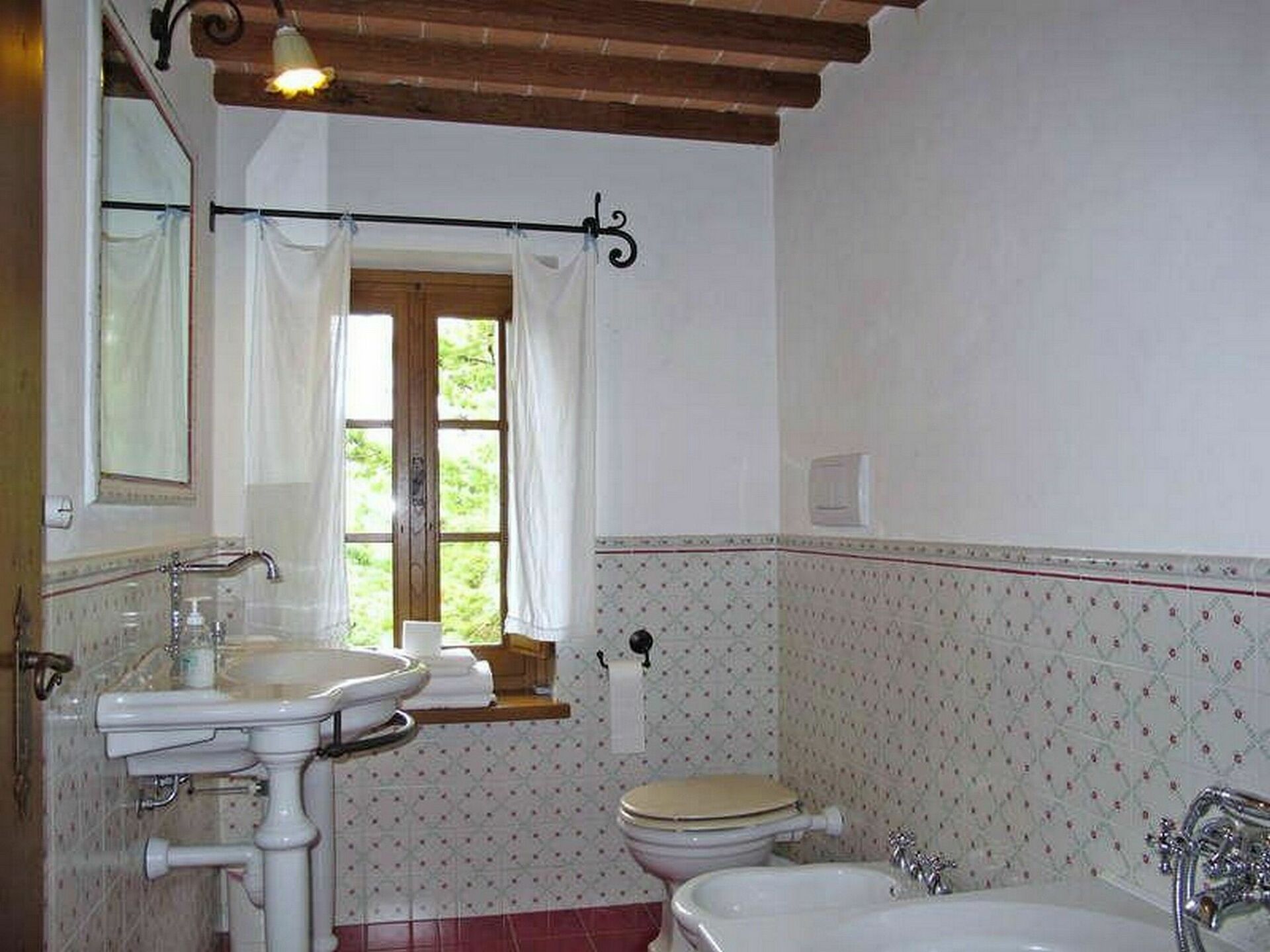
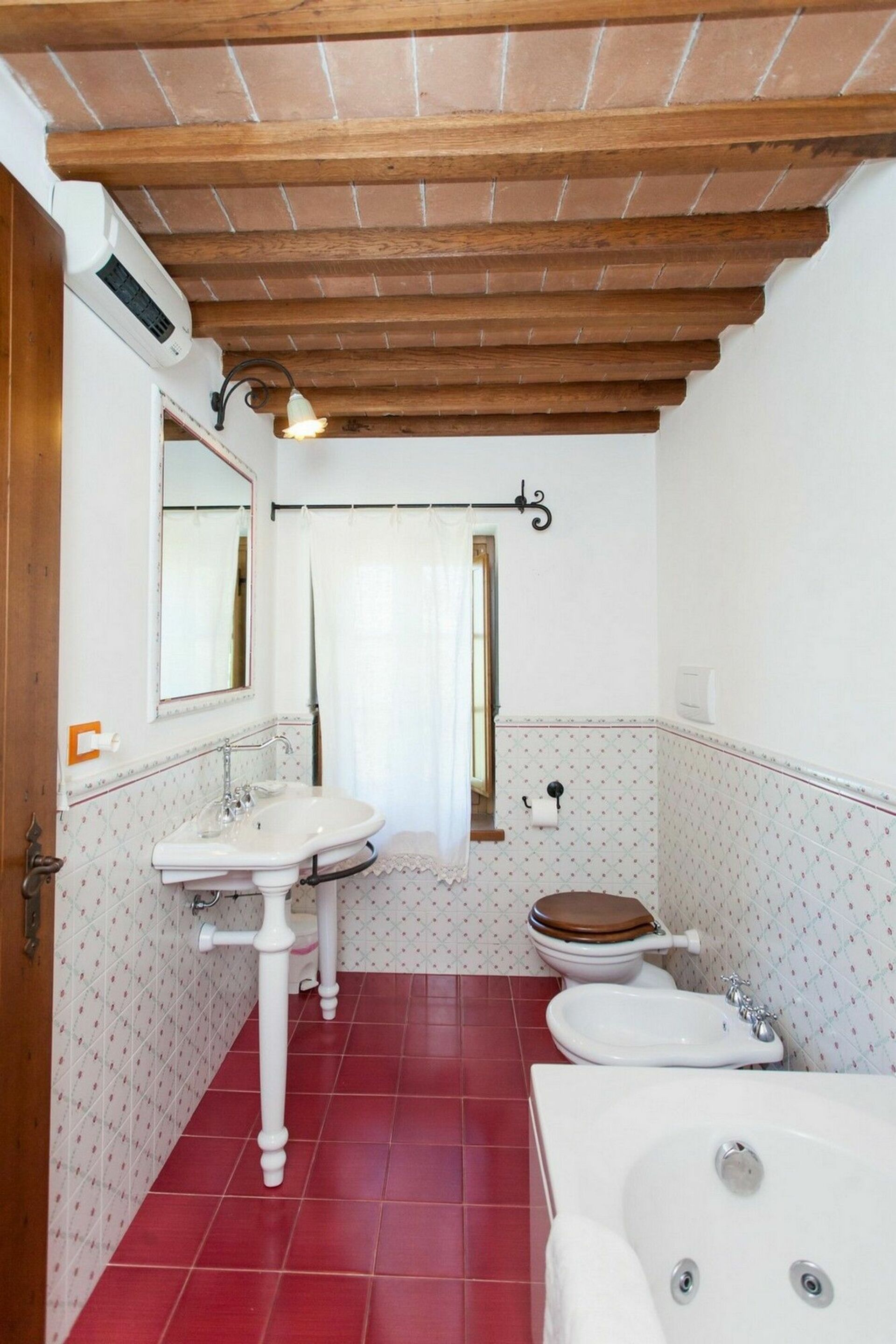
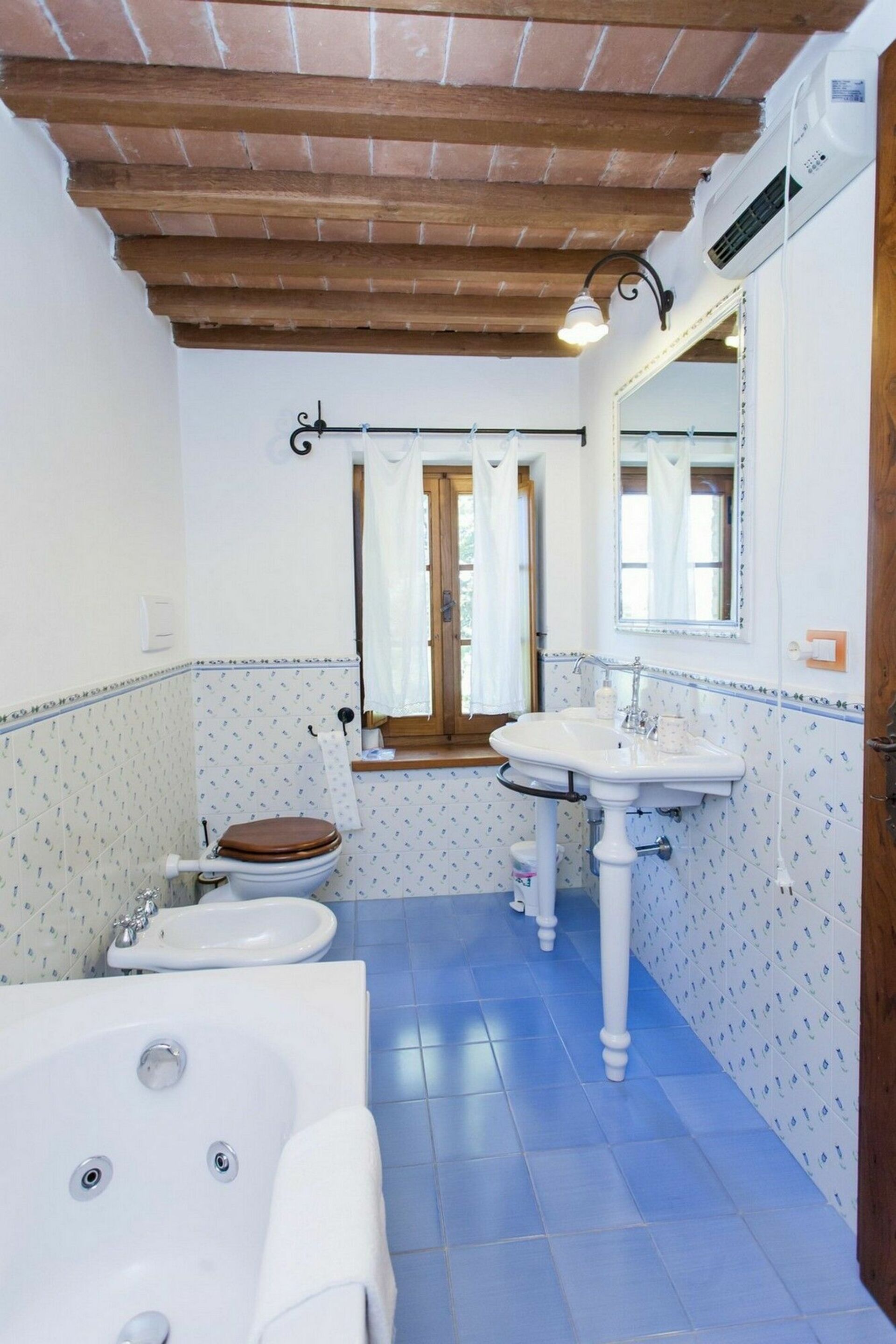
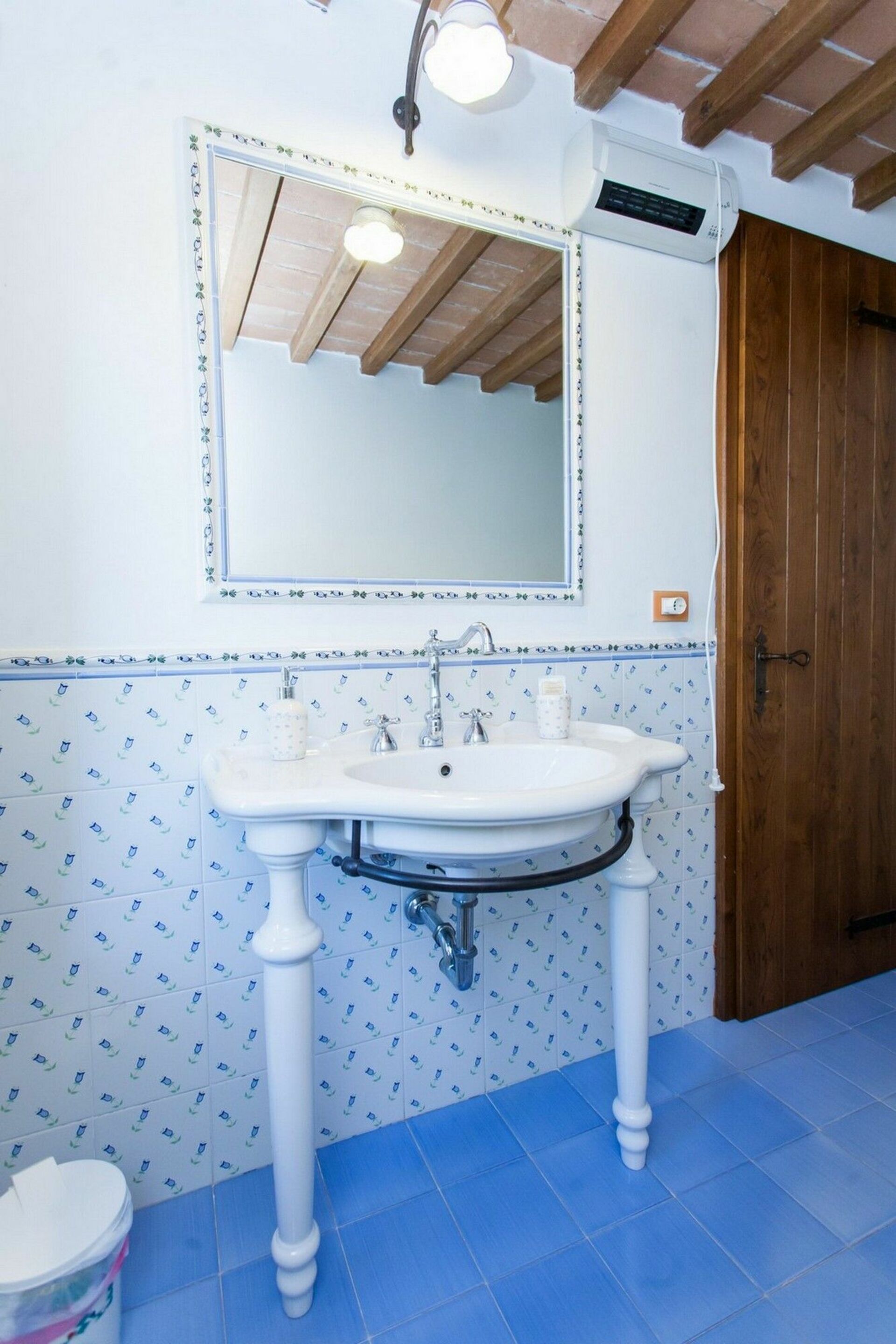
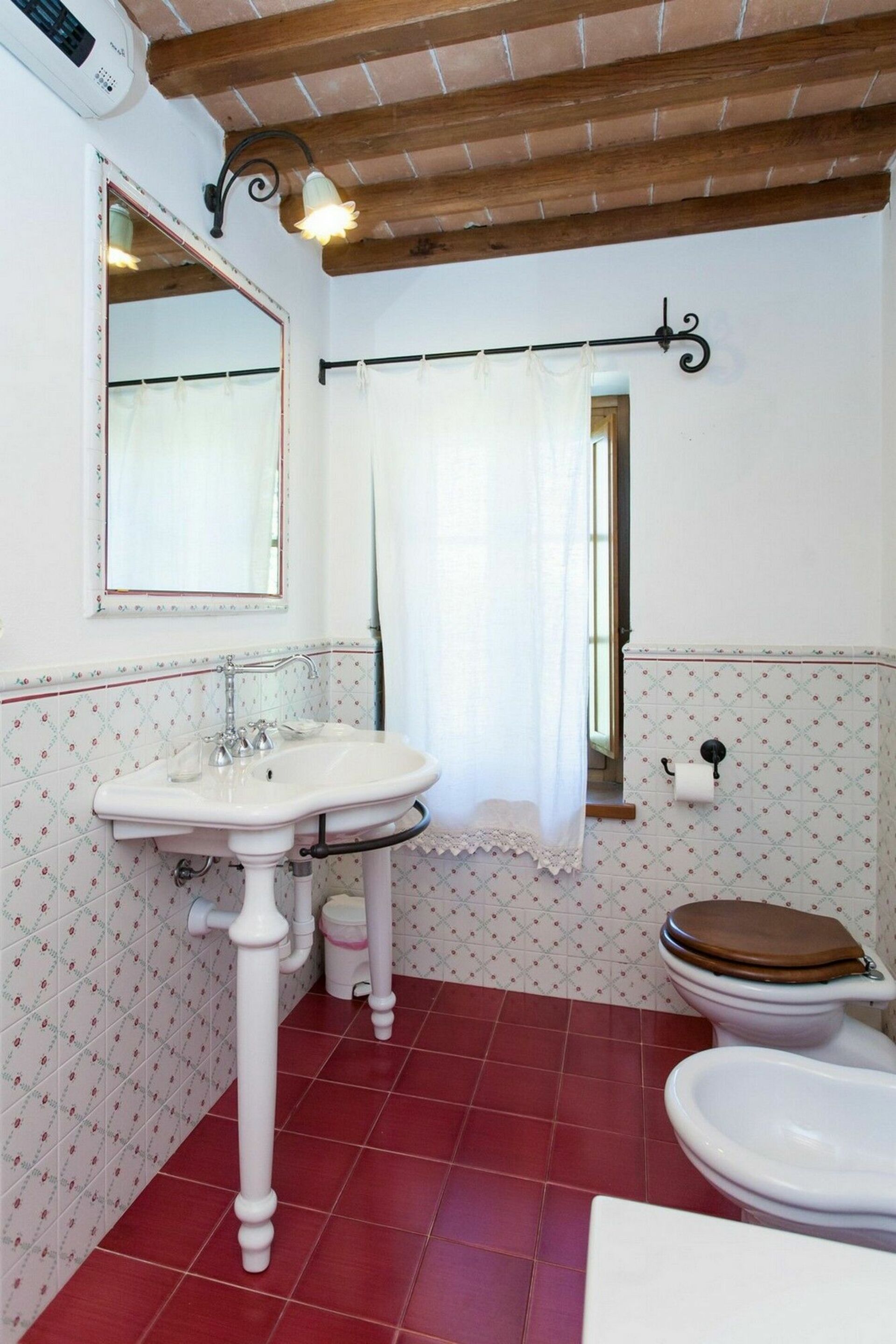
Slaapkamer met badkamer 1: tweepersoonsbed, eenpersoonsbed, WIFI internet, airconditioning, fauteuil, bureau, wastafel, toilet , bidet, douche, haardroger.
Slaapkamer met badkamer 2: tweepersoonsbed, eenpersoonsbed, WIFI internet, airconditioning, fauteuil, bureau, wastafel, toilet , bidet, douche, haardroger.
Verdieping 1
Met: 2 slaapkamers met badkamer.
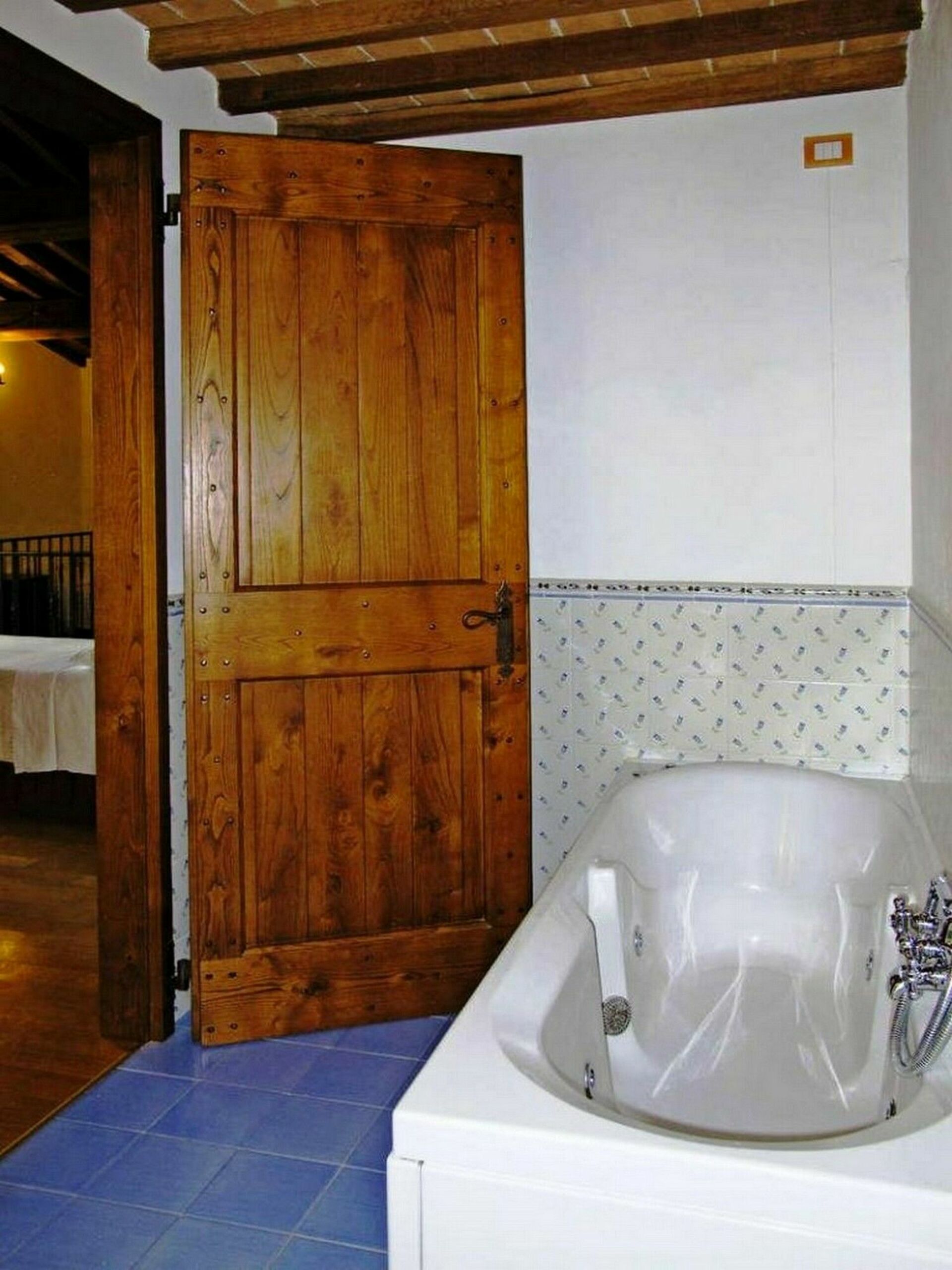
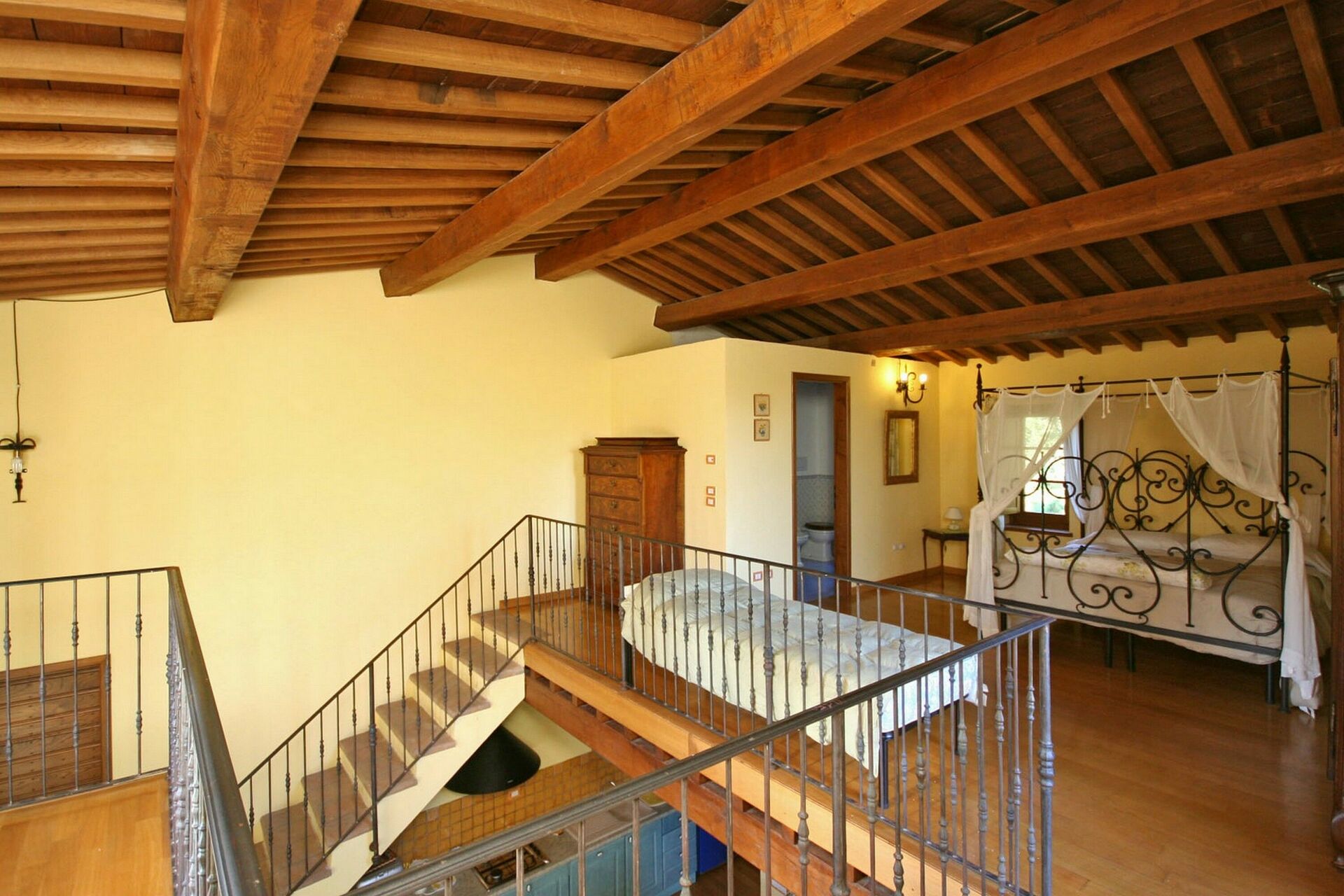
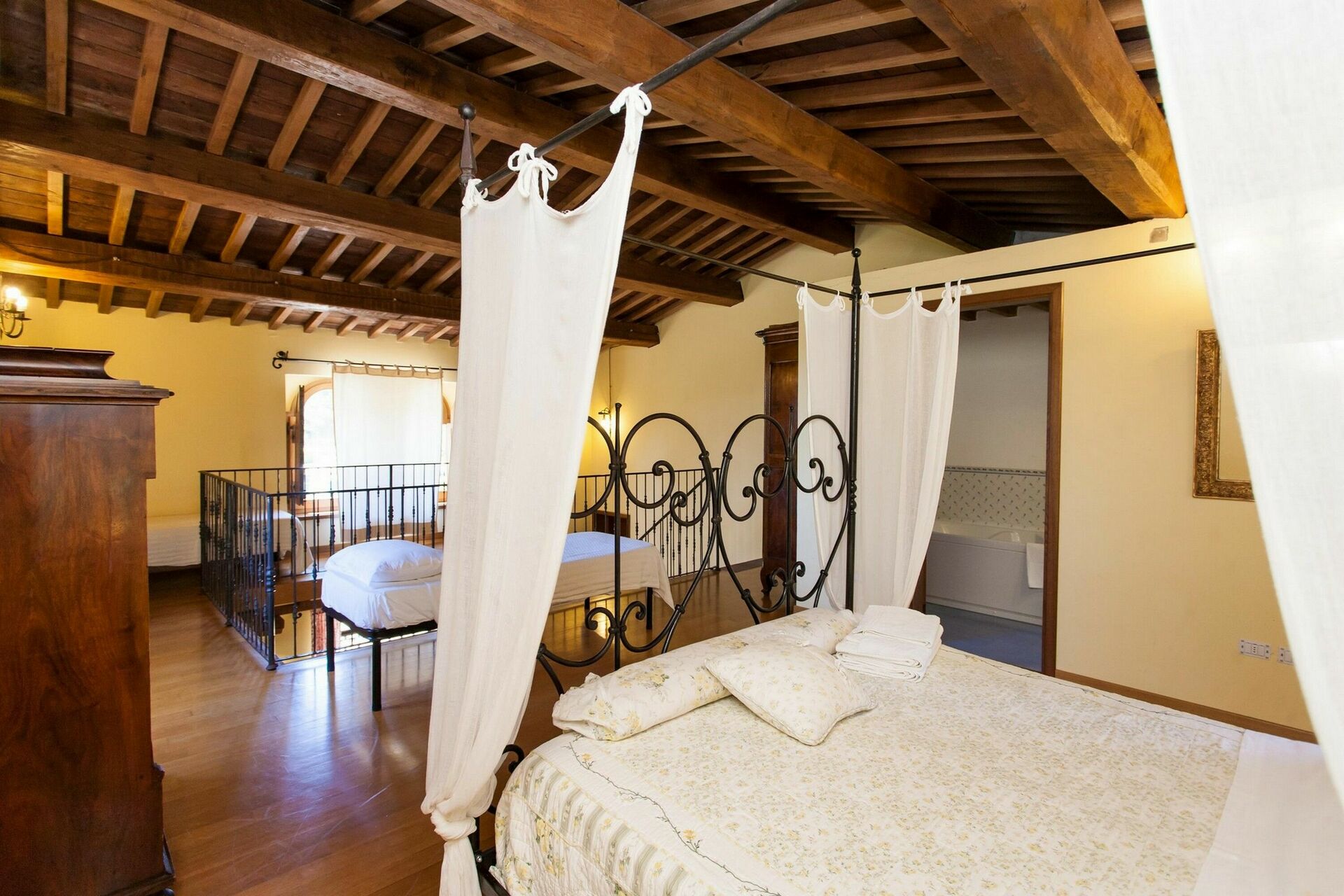
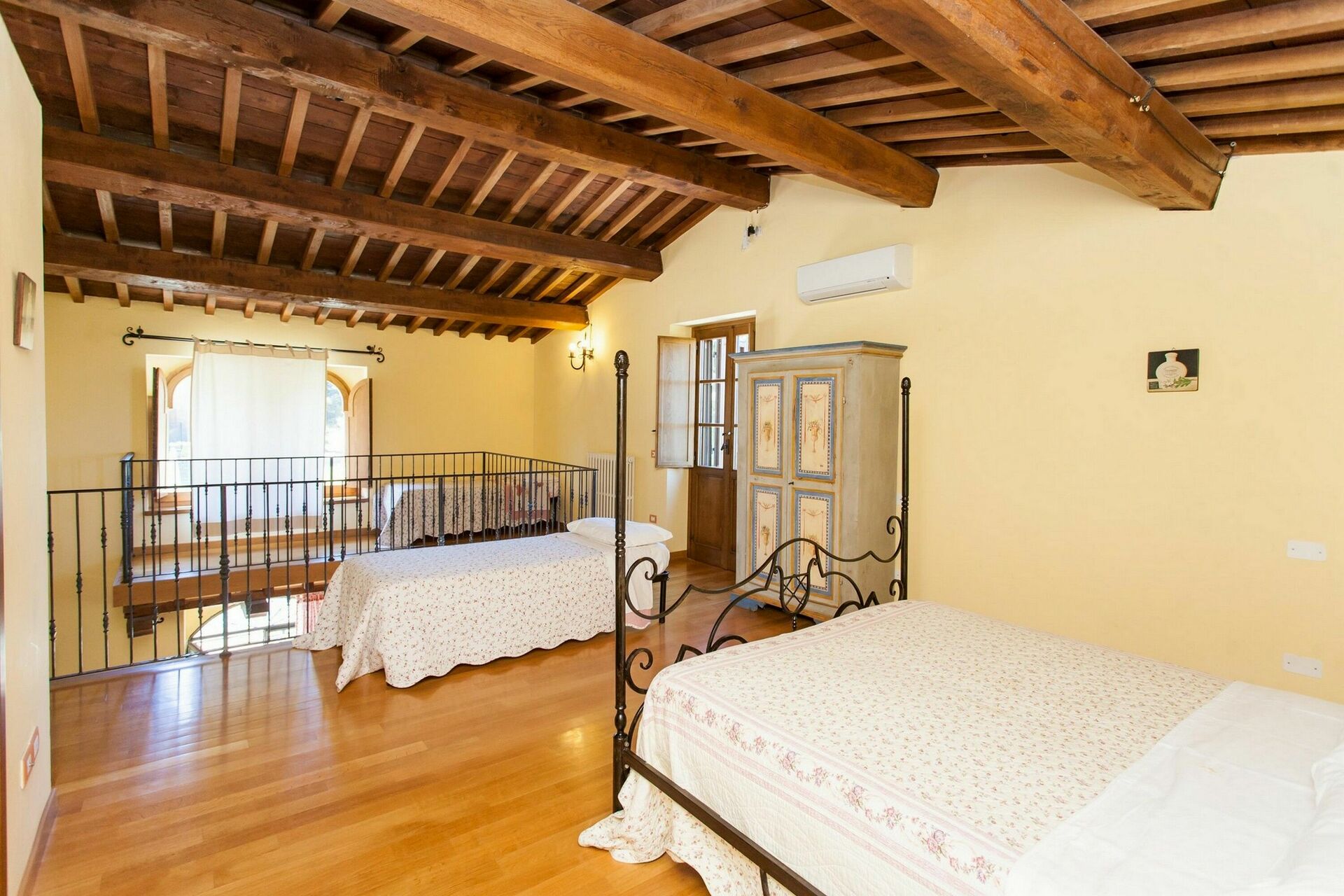
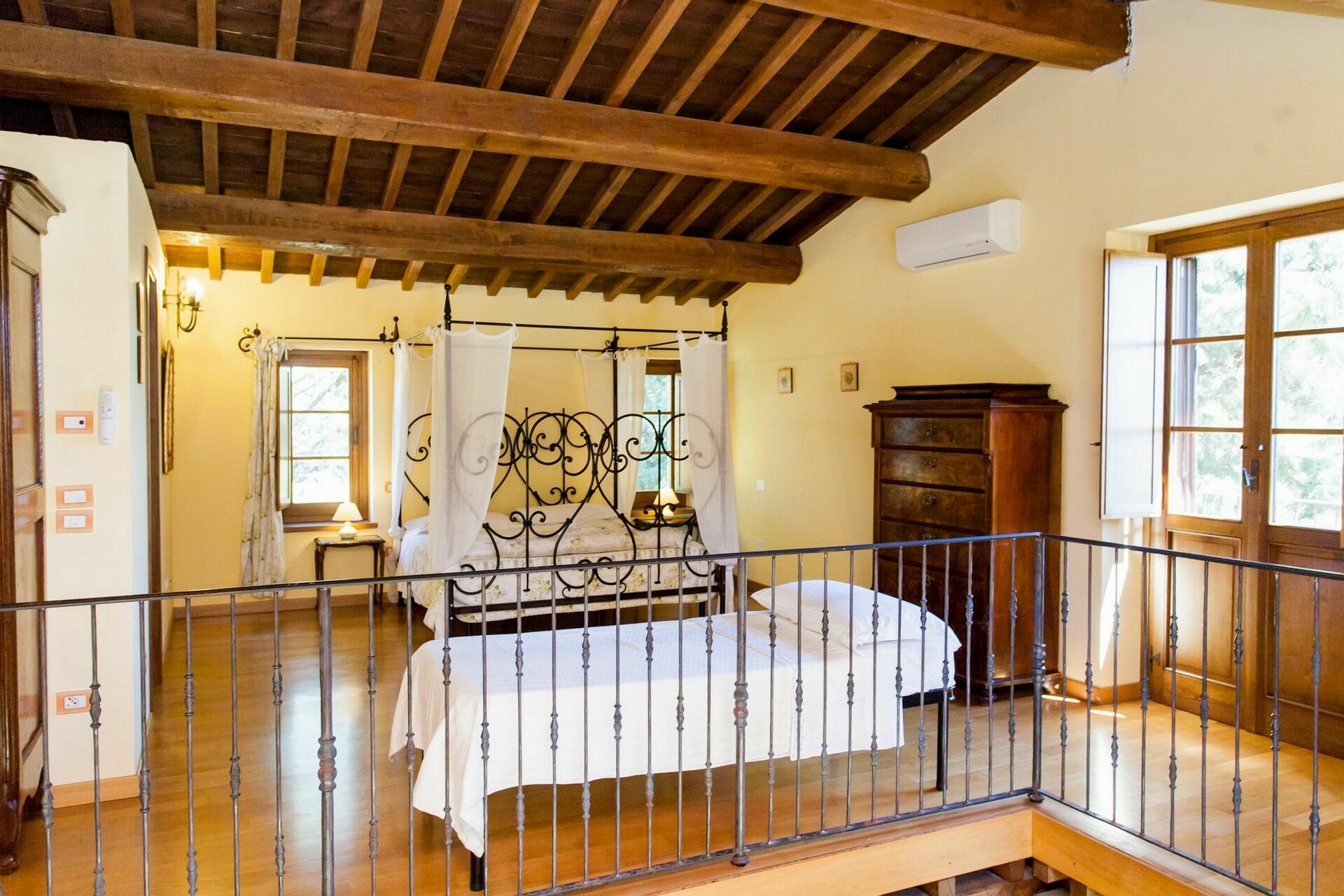
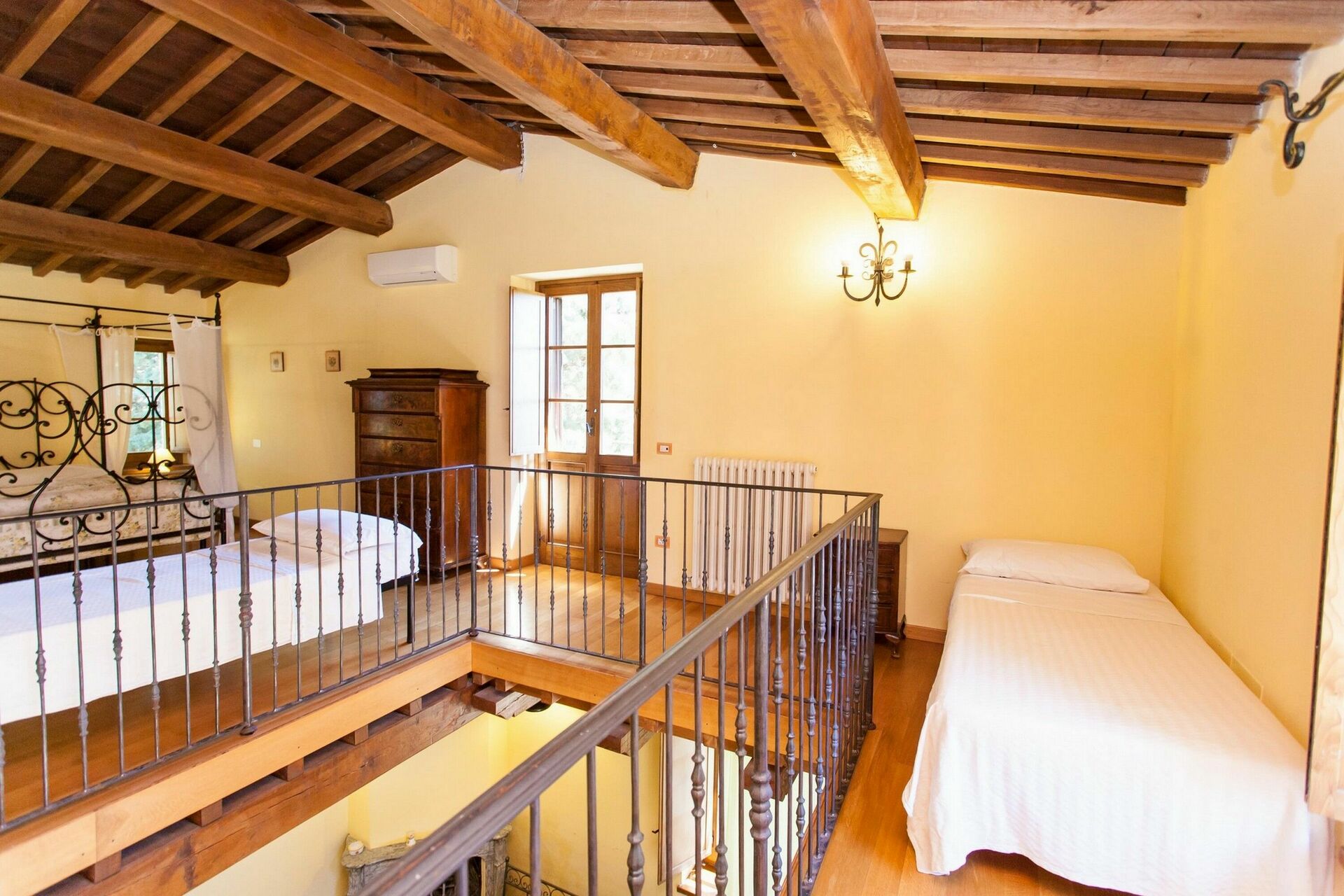
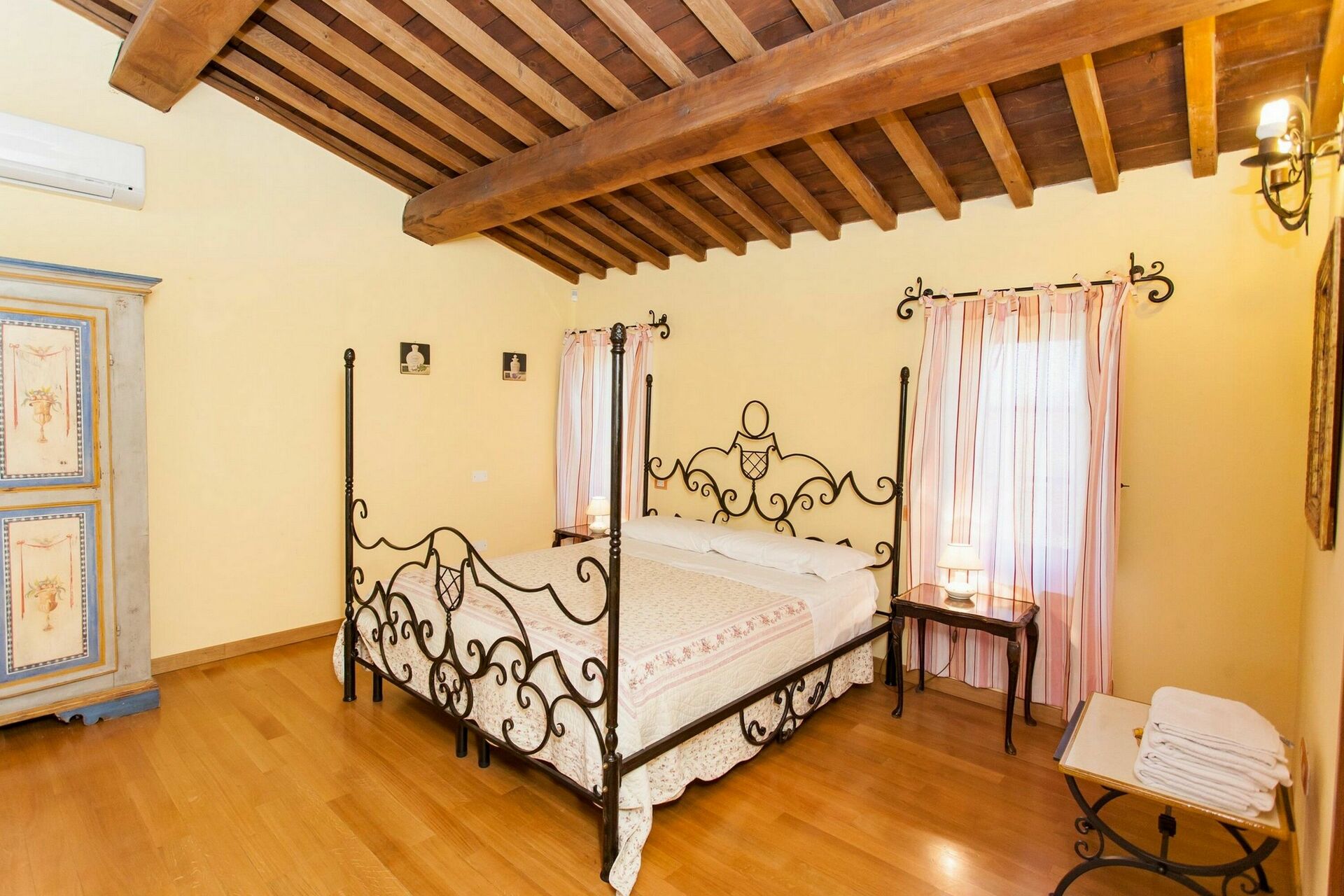
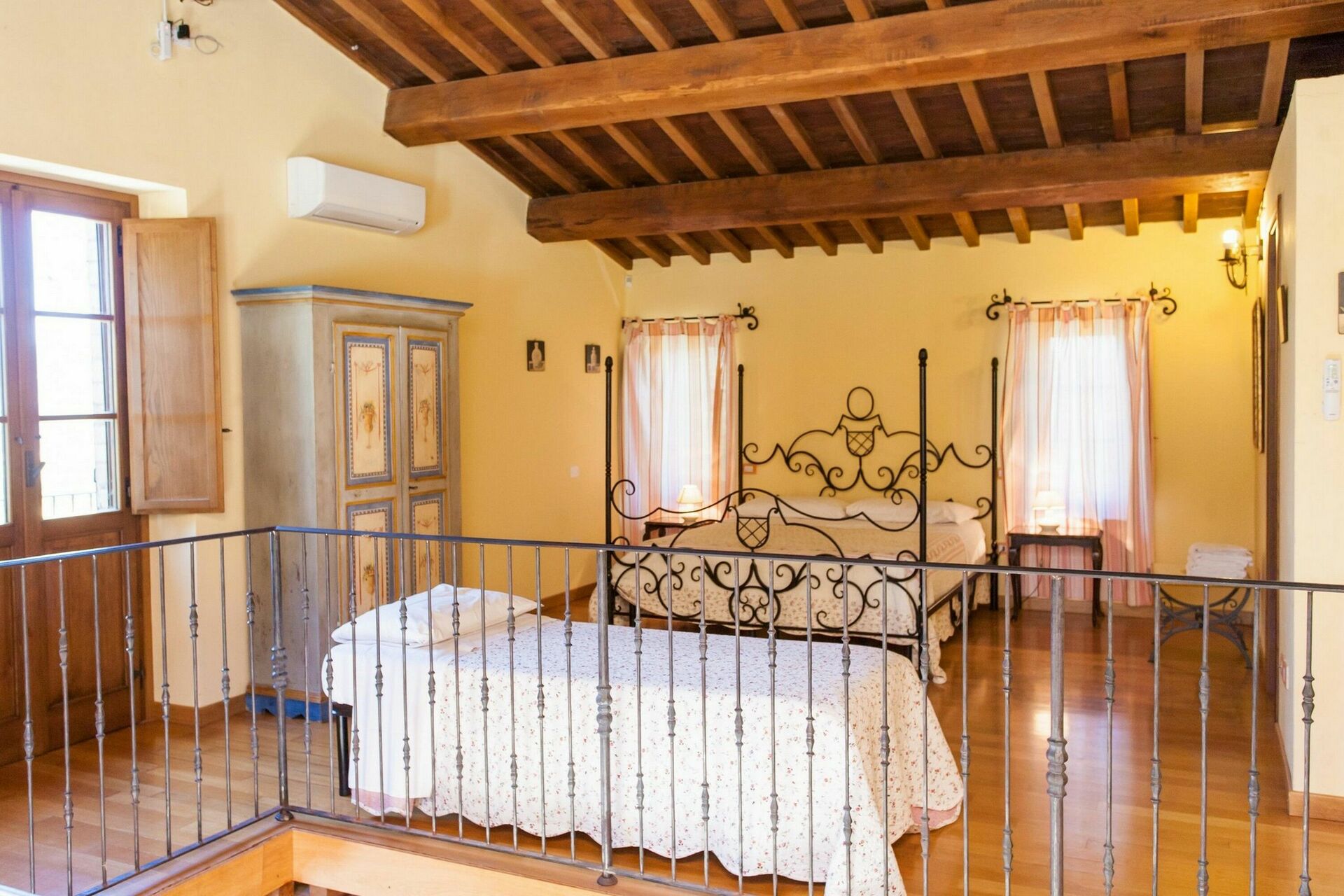
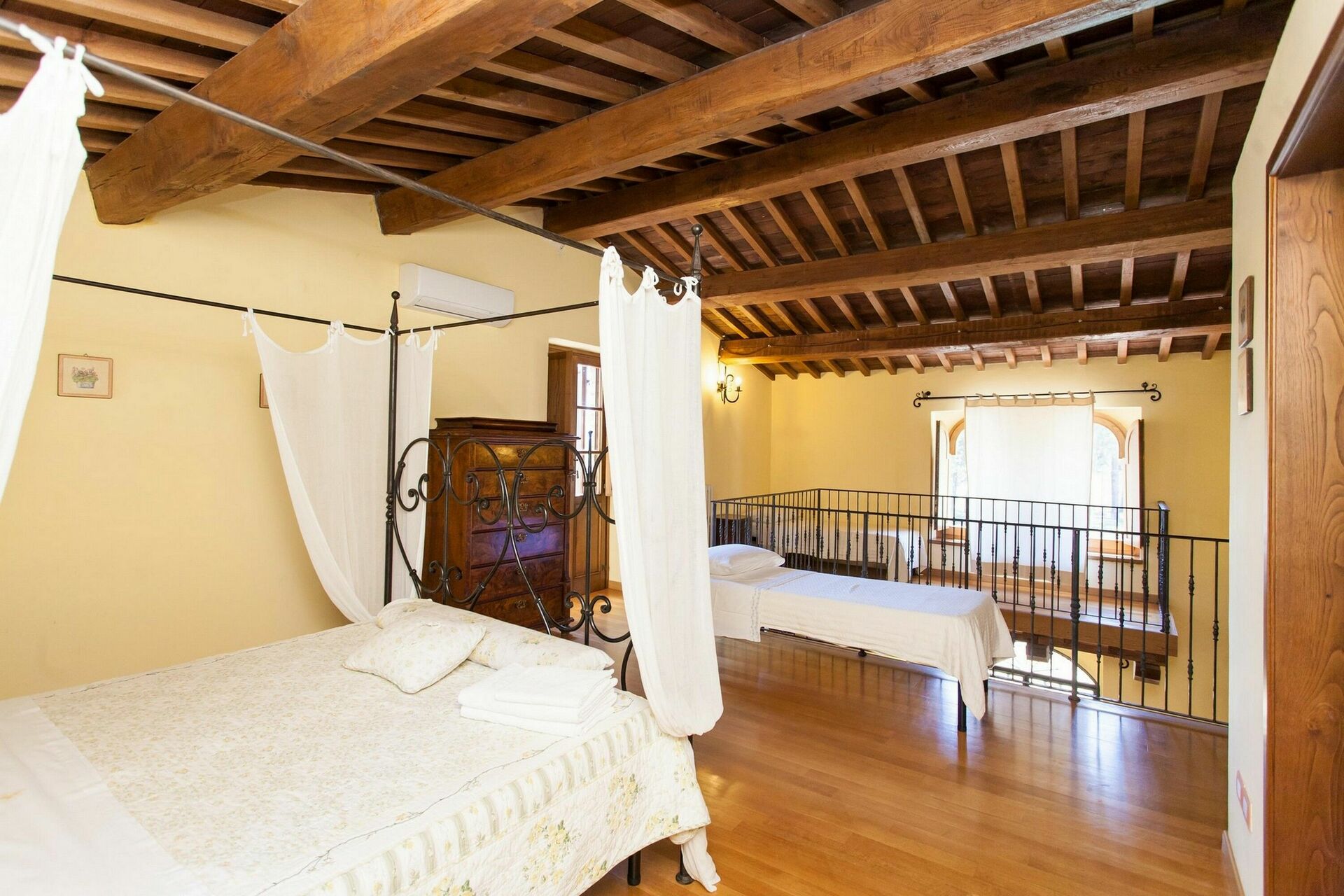
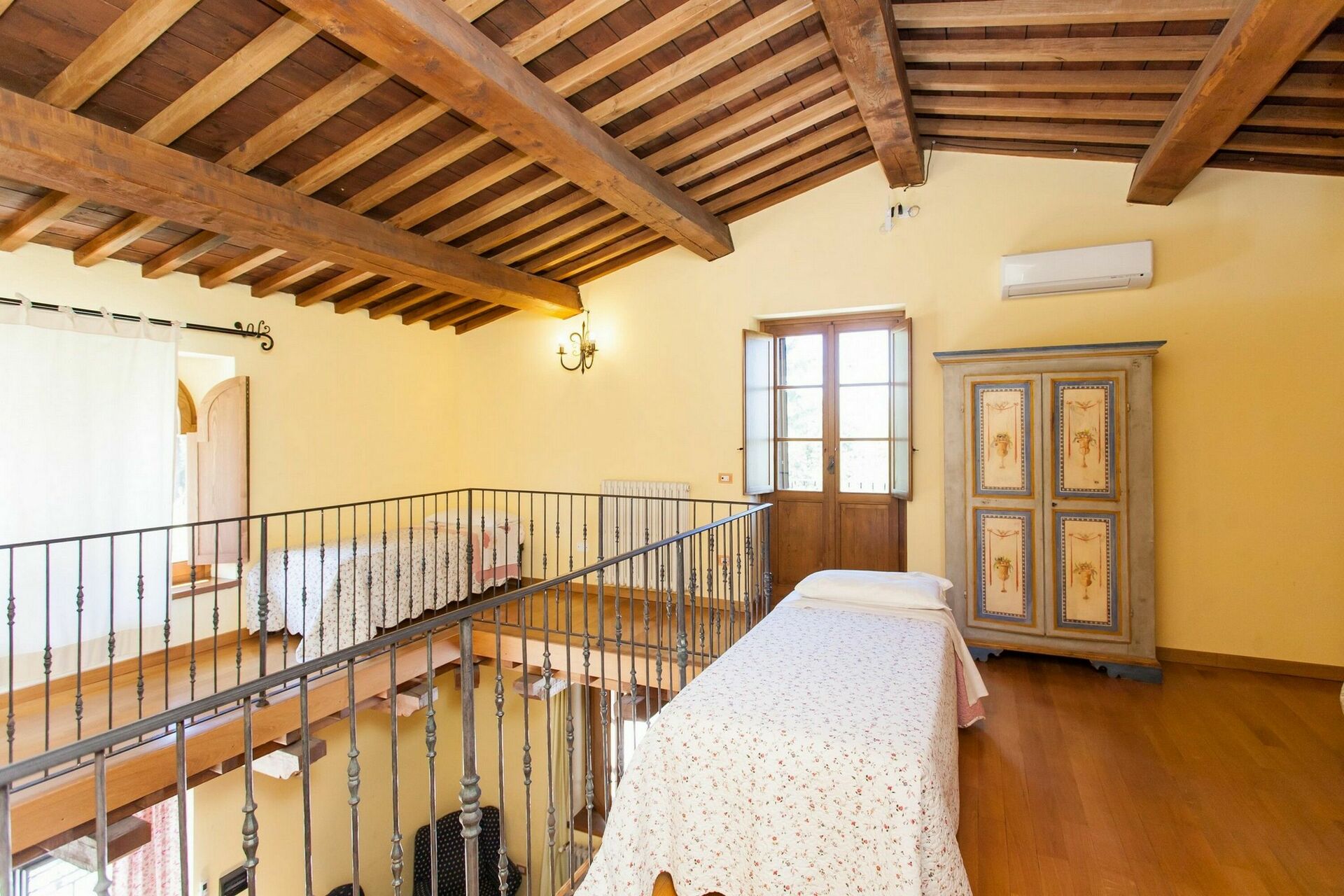
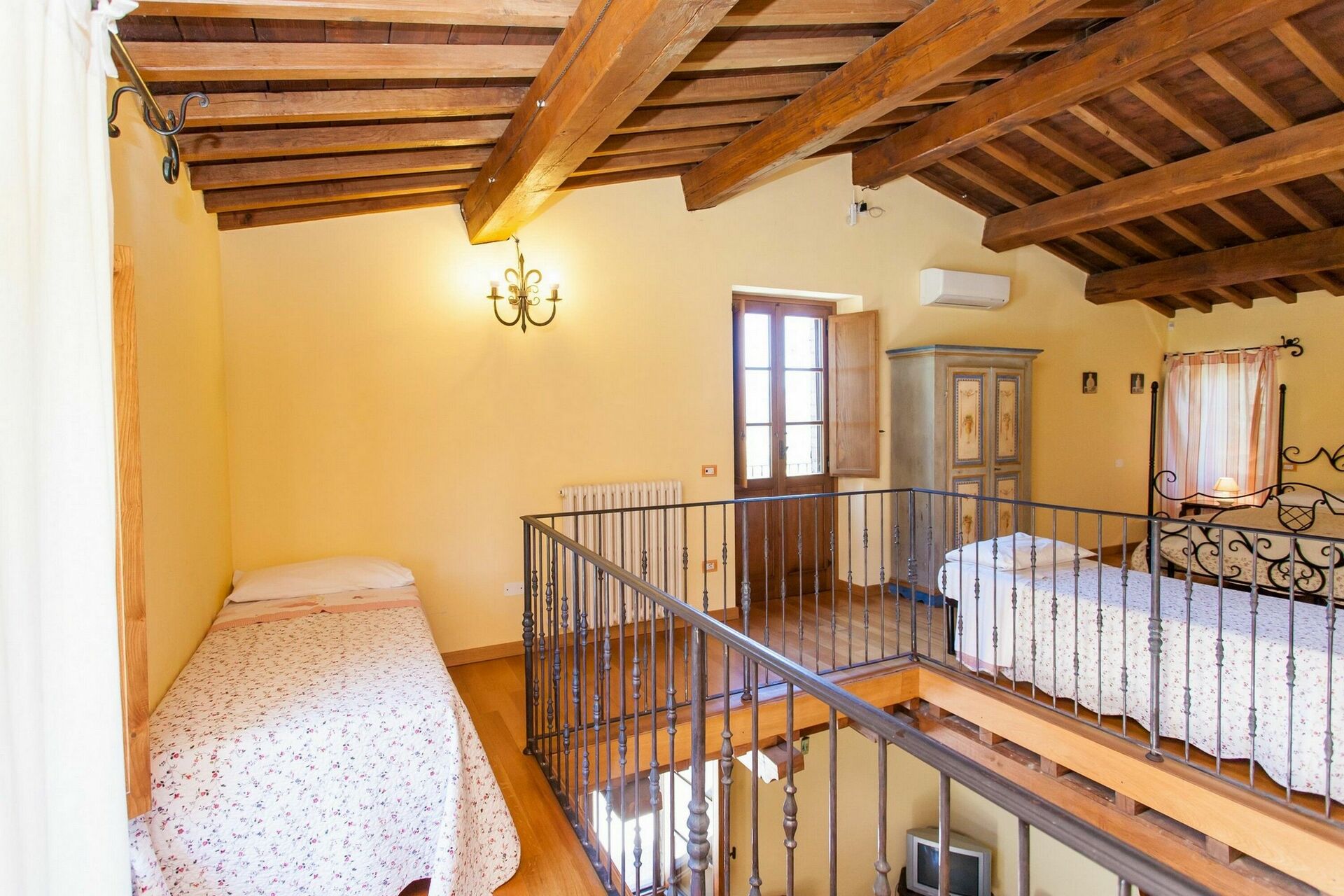
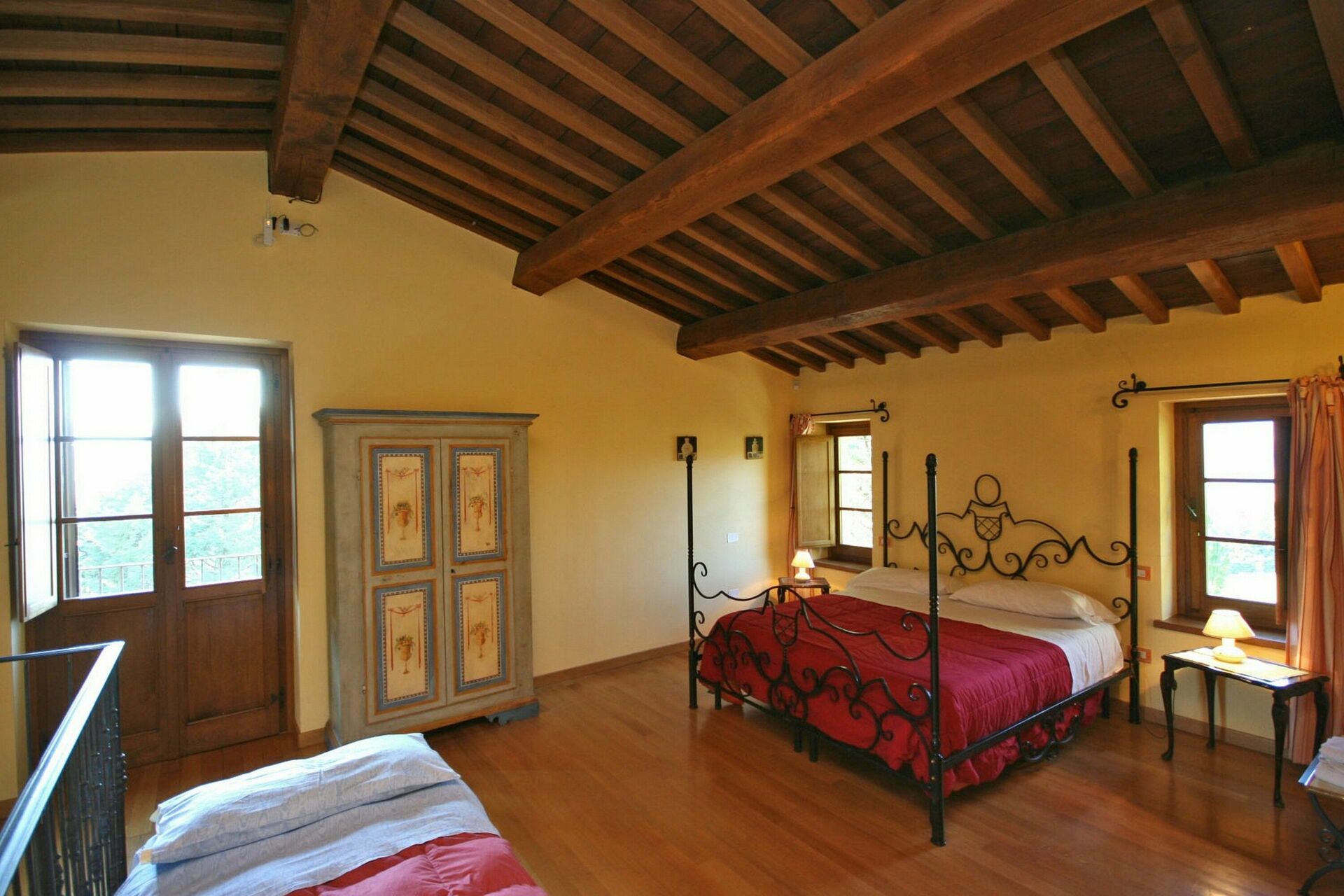
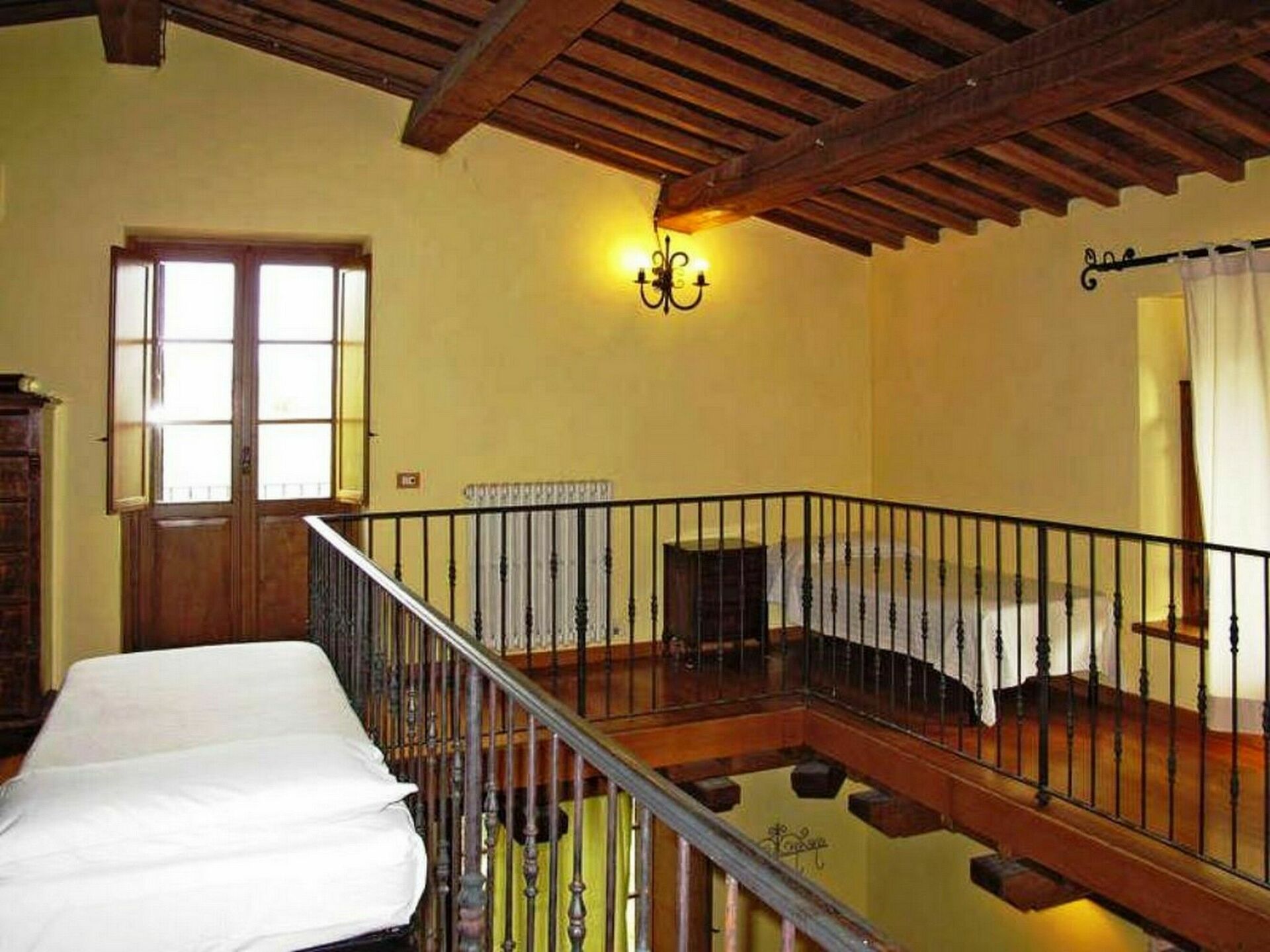
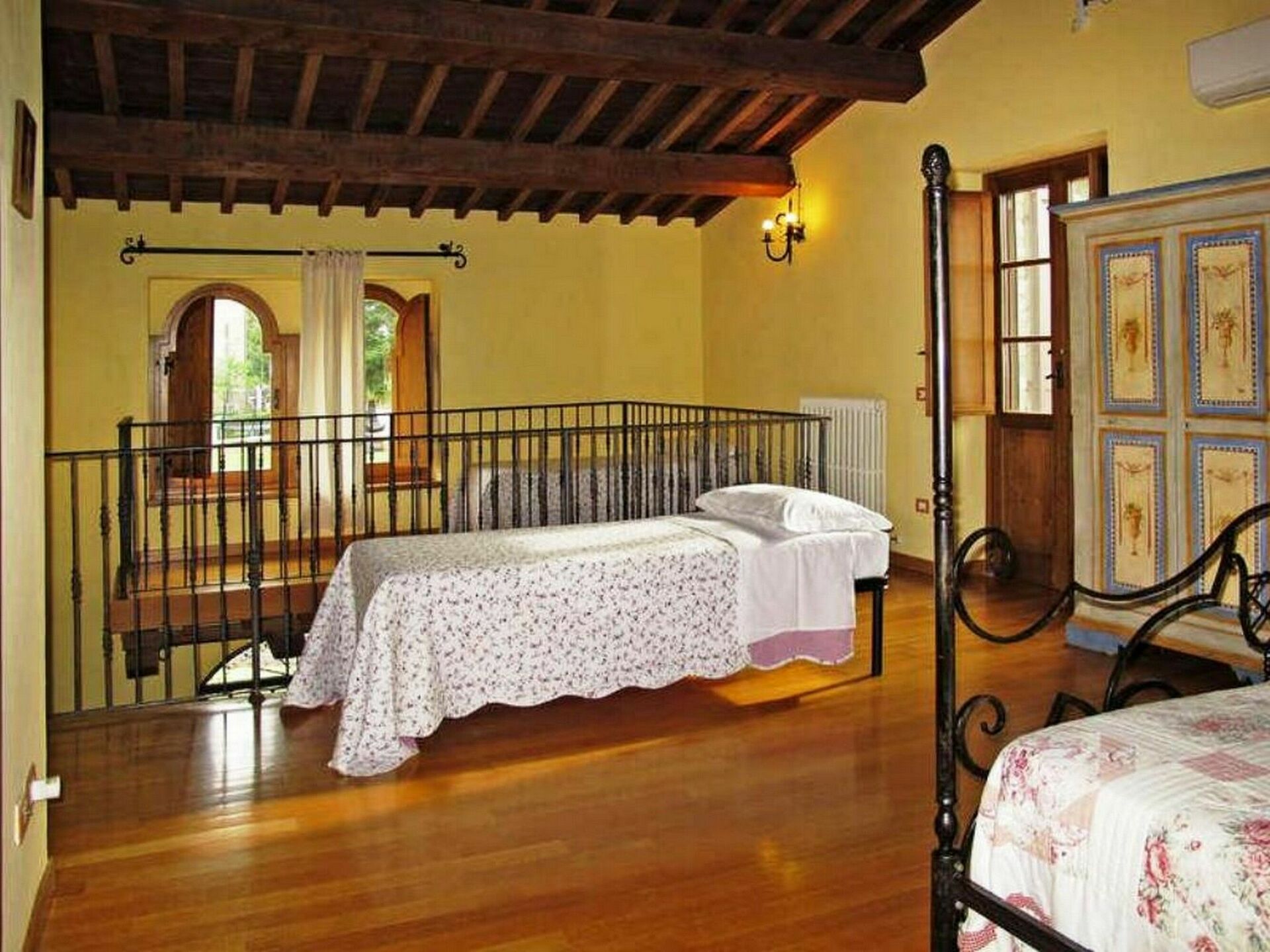
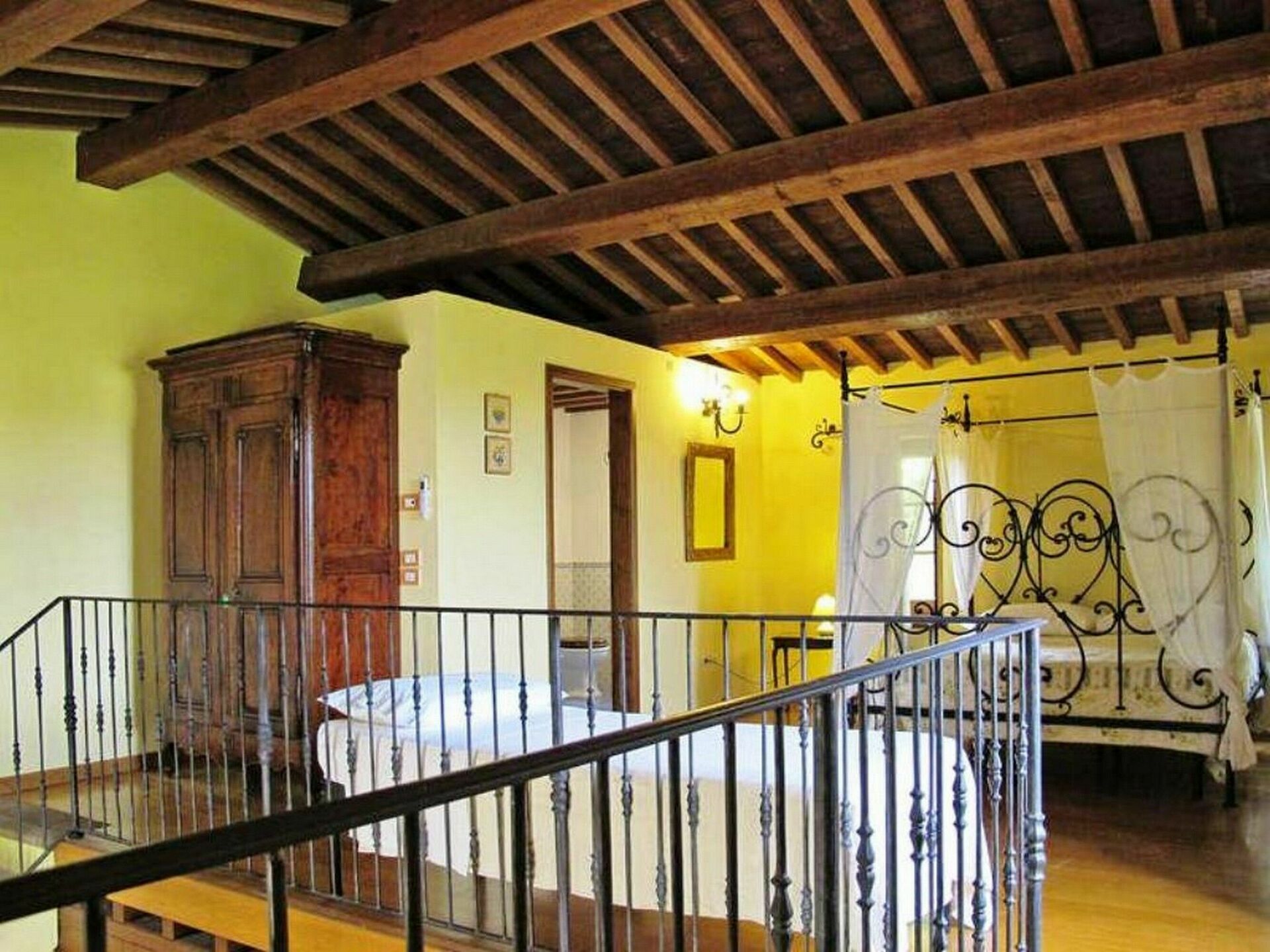
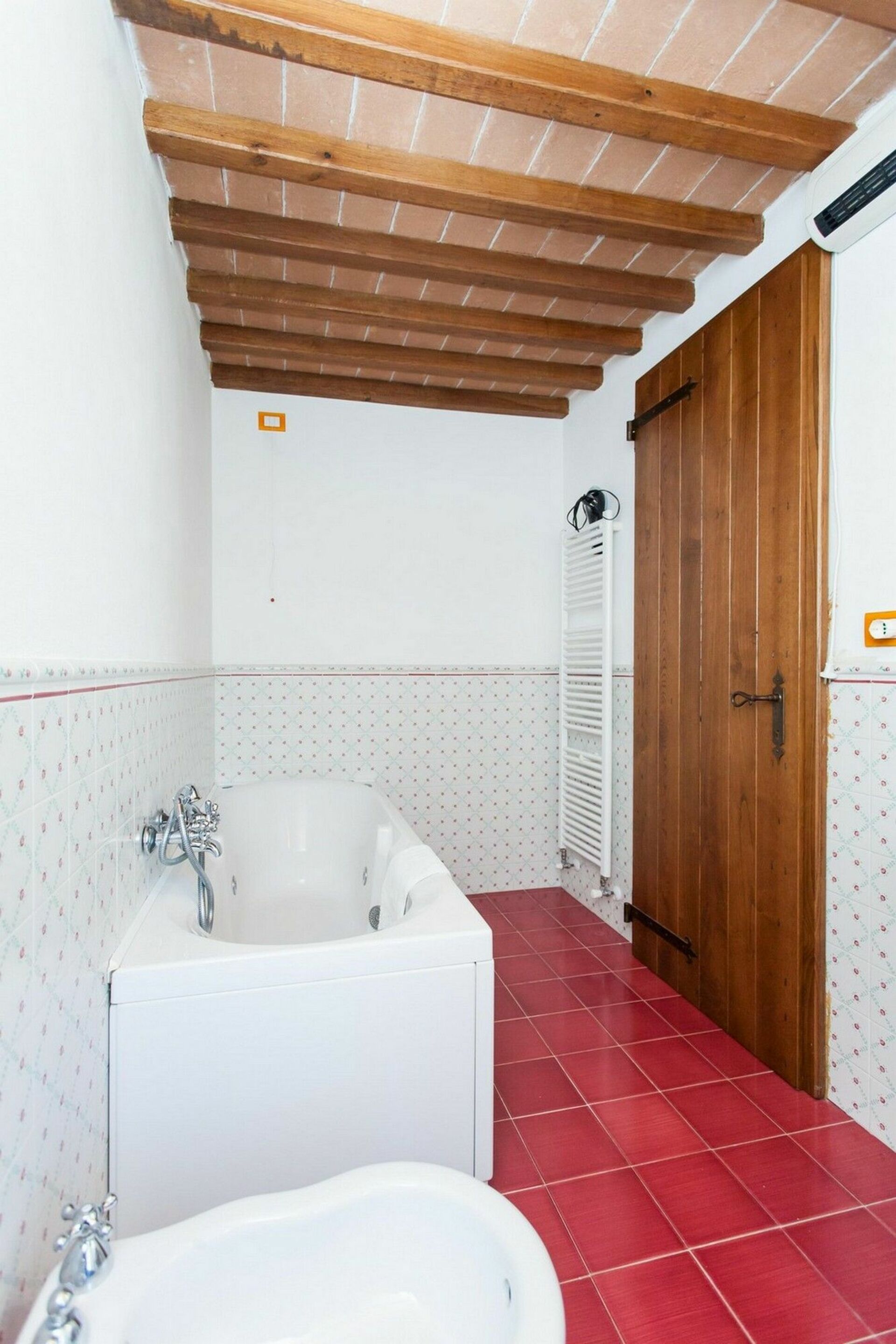
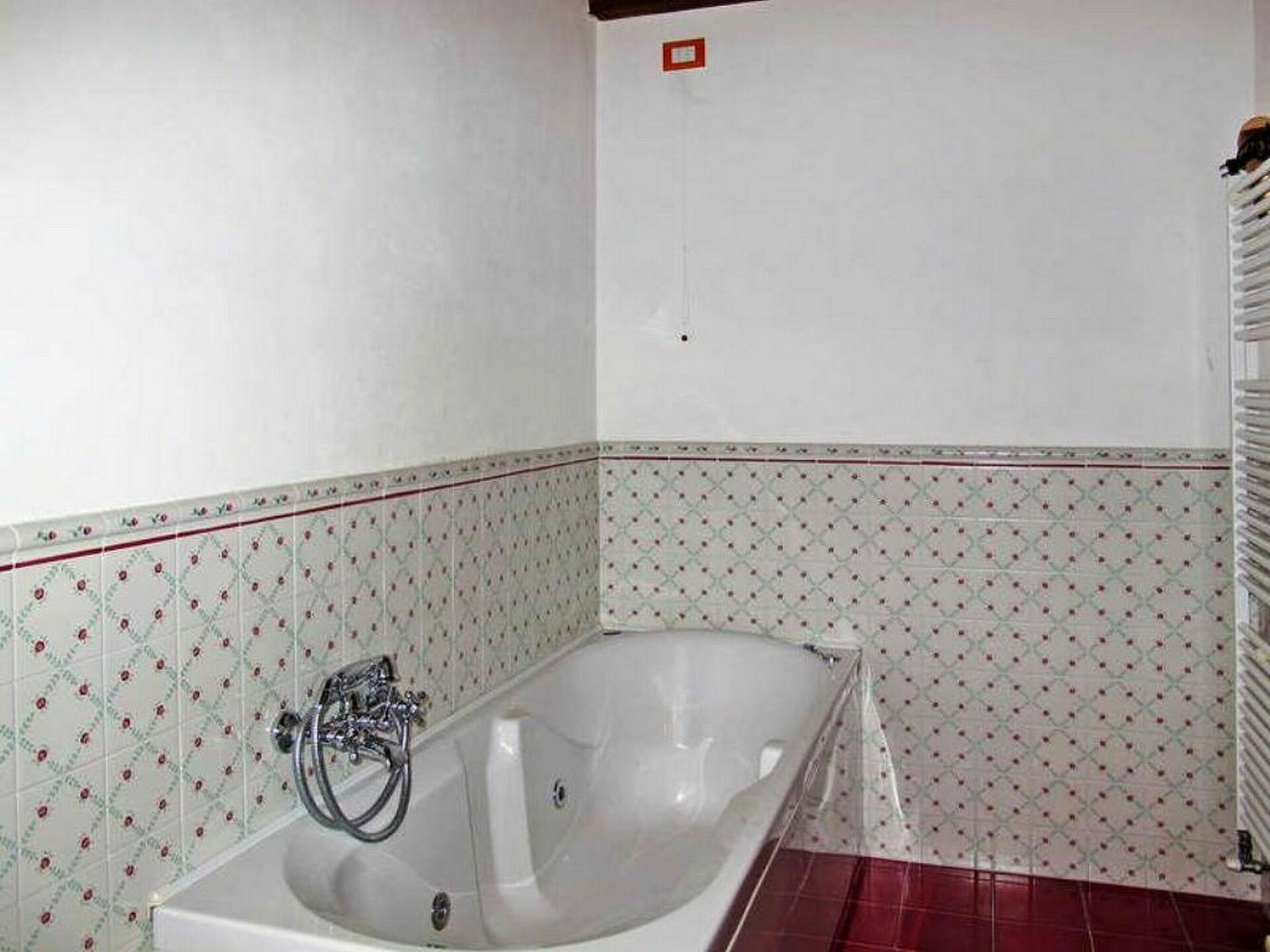
Slaapkamer met badkamer 1: tweepersoonsbed, twee eenpersoonsbedden, WIFI internet, airconditioning, fauteuil, bubbelbad, wastafel, toilet , bidet, haardroger.
Slaapkamer met badkamer 2: tweepersoonsbed, twee eenpersoonsbedden, WIFI internet, airconditioning, fauteuil, bureau, bubbelbad, wastafel, toilet , bidet, haardroger.
Aanvullende ruimtes
Met: tuin.
Tuin: zwembad (breedte: 7m, lengte: 10m), WIFI internet, barbecue, dineren in de buitenlucht, eettafel, gazebo, tuinmeubilair, terrasmeubilair, omheind, speelplaats.
Vergunnings- of registratienummer:
CIN: IT054039B501016269
Ligging Ponte Felcino, Umbrië, Italië

NP's in de omgeving van de woning(Afstanden hemelsbreed)
- Vliegvelden
- Firenze Peretola (Flr), 187.1 Km
Toeristische Attracties
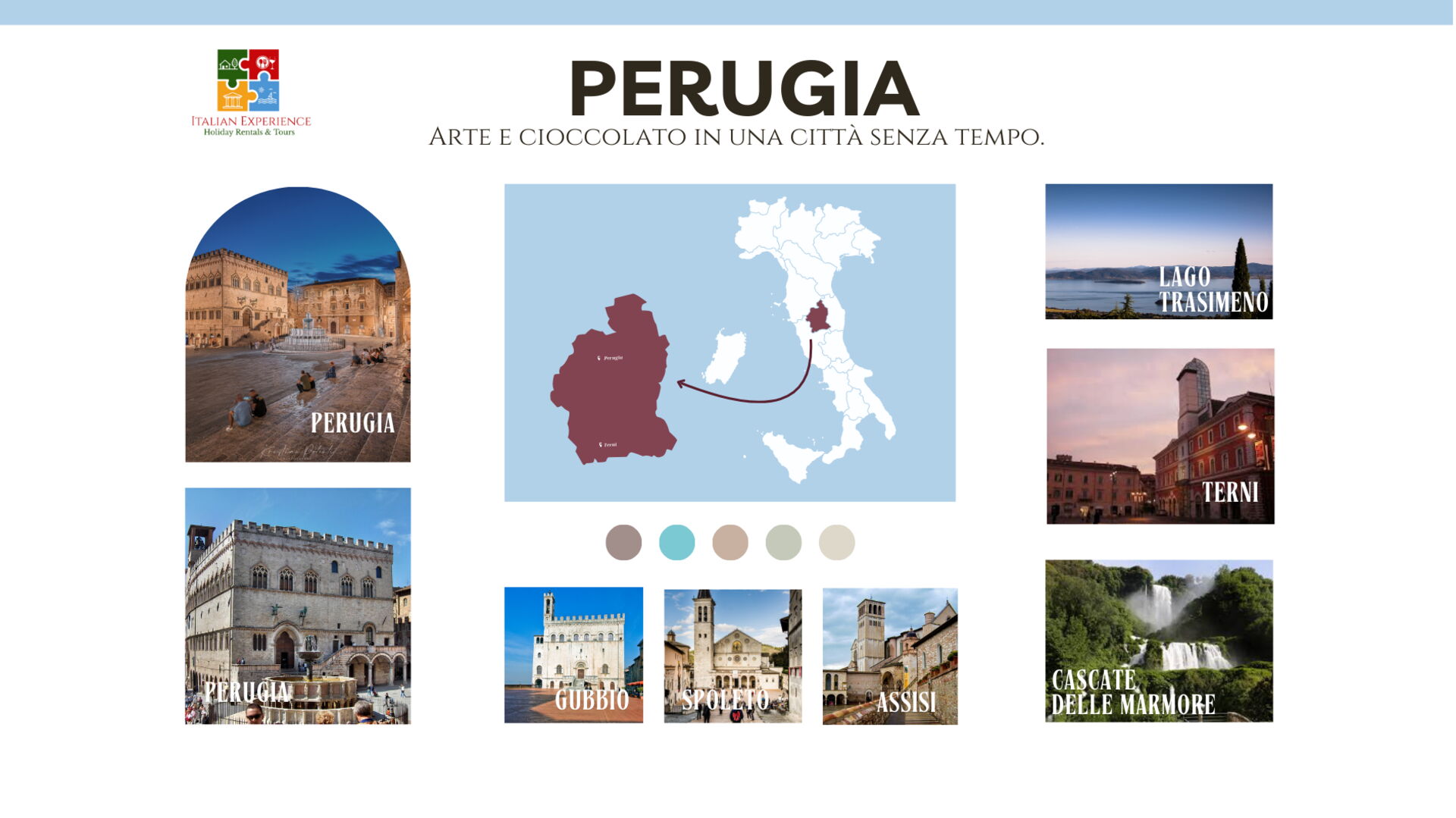
THE AREA OF PERUGIA
Cities of Art, among the most beautiful and important in Italy!
Powerful Etruscan center and then an important medieval city, Perugia lovingly guards precious traces of its bright historical periods. Today it is the administrative capital of the Umbria region, an important cultural and tourist destination and prestigious seat of the University of Studies for over 700 years. The historic Academy of Fine Arts, the Music Conservatory and its University for Foreigners, with students from all over the world, define its strong international vocation.
Brilliant and lively culturally and socially, Perugia is a city full of "secrets" to be revealed: the suggestion is to explore it with curiosity to fully enjoy the thrill and charm of discovery.
The gateway to the acropolis is the Rocca Paolina, a unique historical-architectural complex of its kind, the "container" of the medieval city hidden inside. Crossing it with the escalators, between historical vestiges and contemporary suggestions, you go up to the heart of the city, where Perugians and students love to meet, which immediately fascinates and which fascinated visitors of the Grand Tour so much.
Starting the visit, the city suggests various itineraries that in their paths recompose, as in an ideal book, page after page, the many layers of Italian and European history. From the thirteenth-century Fontana Maggiore starts an enchanting path in the historic center, full of treasures, which will lead you to the discovery of other excellences, sometimes unsuspected, of a city that will never cease to amaze you: museums, churches, monuments, palaces, medieval towers as well as significant modern and contemporary testimonies.
Five are the districts that from the acropolis, like the fingers of a hand, open to the visit: a series of ups and downs, streets and lanes, alleys and stairways, underground paths, unusual and picturesque views of luminous landscapes that cross passages still proud of the beautiful Etruscan-Roman and medieval walls.
Visiting Perugia means living a unique multisensory experience: rich public and private museums, artistic craft workshops, delicacies of a typical cuisine that is well worth a refreshment stop admiring the enchanting views over the Umbrian valley and fully enjoying the peculiarities of a still city on a human scale.
Perugino, Pinturicchio and Raffaello, the contemporaneity of Burri and Beuys will accompany you among the notes of Umbria Jazz, the Umbrian Music Festival, the rich theatrical season set in the jewels of the city: from the Morlacchi Theater, to the eighteenth-century Teatro del Pavone, to small experimental theaters and even in the open-air squares, to then continue on to the ancient villages and the many libraries, on happy occasions for meeting and debate.
The openness and dialogue between the various cultures and religions testify to the civil customs of society: but Perugia will not cease to amaze, because it also knows how to play, with chocolate as with the imagination, allowing you to stroll through the streets of the center meeting Braccio Fortebracci during the days of Perugia 1416, the moment when history comes to life and everyone can experience the thrill of living it.
Secluded, and therefore authentic, Perugia will be a stimulating experience for tourists, students and visitors in all seasons of the year, a smiling and intelligent look at the history and current events of this city of art that offers an image of Better Italy.
UMBRIA - GREEN HEART OF ITALY
NATURE AT ITS FINEST
Umbria has been called "Italy's Green Heart." It is green, mainly agricultural, and more sparsely populated than its western neighbor, Tuscany. Umbria has no access to the Mediterranean but is home to one of the largest lakes of Italy. Umbria is for the laid-back traveler, one who would perhaps like to sip the uniquely Umbrian wine called Sagrantino in one of the many Umbria Wineries. There are plenty of interesting and historic towns to discover; the regional capital Perugia, Saint Francis's town of Assisi, or the Etruscan city of Orvieto.
RICH HISTORY
There are interesting places to stay in Umbria. There's a restored Monastic outpost in Umbria called La Preghiera that hosts guests. Another place to consider is Fontanaro, a collection of houses forming a sort of rural cooperative where you can learn about Umbrian cooking, wine, and the making of organic olive oil. If you love to eat well and stay in a rural B&B, the Casale di Mele might be the perfect place to stay. This short account provides a thread to guide you through the labyrinth of this complex story. You'll find more detailed local history in the individual town pages.
RESTAURANTS
Umbrian cuisine is best described as farm-to-table. Foods change with the season and, when in season, you can enjoy dishes made with the highly prized truffles of the region. Deborah Mele's introduction to the cuisine, The Foods of Umbria, will give you all you need to know about the food and food traditions of Umbria.
TASTE OF UMBRIA
Italy’s green heart, Umbria is a land unto itself, the only Italian region that borders neither the sea nor another country. This isolation has kept outside influences at bay and ensured that many of Italy's old-world traditions survive today. Travel here and you’ll still see grandmothers in aprons making pasta by hand and front doors that haven't been locked in centuries.
ASSISI
Assisi is a captivating commune. With its medieval streets, sacred shrines, entrancing churches, and a spellbinding castle, it’s no surprise it’s Umbria’s most famous town for tourists and pilgrims alike. It was the city where Italy’s Patron Saint, St. Francis, lived and prayed, so it’s a spiritual experience for many. Admire the views from the fortress of Rocca Maggiore and get great shots of Basilica di Santa Chiara and Santuario San Damiano. The two-thousand-year-old ancient Roman Temple of Minerva is also a fantastic photo opportunity. Take a moment to reflect at Eremo delle Carceri, where St. Francis prayed in isolation. Explore the Roman Forum, stroll along Via San Francesco, and see St. Rufino Cathedral, the church dedicated to Assisi’s Patron Saint, Rufino, which is home to the 12th-century crypt of Basilica Ugoniana.
ORVIETO
Perched dramatically on top of enormous tufa cliffs, the hillside town of Orvieto is picturesque. Easily reached by train or car, it’s the perfect day trip from Rome. But, there’s so much to see and do that you should allow plenty of time. Dating back to Etruscan times, Orvieto is split in two: the old-town hilltop and the new town at the base, connected by escalators and elevators, as well as a cable car (the most scenic form of transport).
PERUGIA
Nestled within central Umbria, Perugia is the region’s thriving capital. This picturesque Etruscan town is charmingly medieval, with a backdrop dominated by Italy’s largest fortress, the Rocca Paolina. Believed to be older than Rome, Perugia definitely lives up to its steadfast reputation. Explore Perugia’s attractive center overflowing with Etruscan ruins, including the third-century Sorbello Well. Visit Piazza IV Novembre, where the Fontana Maggiore fountain forms the centerpiece. Other sights include the Italian art museum, La Galleria Nazionale dell’ Umbria, the church of Sant’Angelo and the monastery of Sant’Agnese. You’ll also find the Universita per Stranieri, an excellent Italian language school, as well as the first wine school in the world in Perugia!
GUBBIO
Gubbio is a medieval town in north-eastern Umbria. Despite being so close to Assisi, it’s surprisingly set off the main tourist track. Surrounded by avocado countryside and connected to Mount Ingino via a scenic cableway, this hillside Italian town is undeniably magical. When it comes to authenticity, architecture, and atmosphere, Gubbio has it all. Dating back to pre-Roman times, Gubbio is one of Umbria’s oldest towns. The town center is a pleasing mix of medieval, gothic and Renaissance architecture built from grey limestone. It’s known as the “City of Fools” because you can obtain a “madman’s license” (and Eugubina citizenship!) by merely circling the small fountain in Largo Bargello three times.
SPOLETO
Spoleto is one of those rare non-touristy towns. Totally off the beaten path, this medieval village has a steep historical center, accessible via a travellator, that dates back to 241 BC. Inhabited by the original Umbri tribes in the 5th-century BC who built fortifying walls that can still be seen today, it was only in 774 that it became part of the Holy Roman Empire, when one of the Dukes of Lombard made it their official residence. Chosen as the filming location for the famous Italian soapy, Don Matteo (because it depicts a typical Italian town yet to be overrun by tourists), Spoleto promises all the best things about Italy – lovely restaurants, hearty cuisine, and fantastic wines. Don’t miss the black truffles and red wine from Montefalco!
MARMORE WATERFALLS
Marmore Falls is one of the tallest human made waterfalls in the world. Tucked within Nera River Park – also known as Waters’ Park – it was built by the Romans back in 271 BC to divert the overflowing stagnant waters of the River Velino into the River Nero. Today, the falls feed the Galleto Hydroelectric Power Station, which has enabled the metal-working, electrochemical, and electric industries at Terni. Yet the falls remain steeped in myth and legend. Popular belief dictates that a nymph called Nera fell in love with a shepherd named Velino. A jealous lover called Juno transformed Nera into a river and then threw himself over the cliff in order to be reunited with her forever. This mortal jump now lingers for eternity in the sprays of the waterfall.
NARNI
Narni is a quiet hamlet overlooking the lush Nera Valley. Known for its spectacular sunsets that take center stage over the backdrop of the Umbrian countryside, it’s one of the most romantic little villages in Italy. But the old town has historical and cultural significance too. Admire the incredible artwork at the Civic Museum and explore Narni Sotterranea – an unbelievable underground town only discovered in 1977. Inside, you’ll find a 13th-century Benedictine church painted with amazing frescoes, a Roman cistern, a Holy Inquisition courtroom, and an eerie prison cell.
LAKE TRASIMENO
Lake Trasimeno, with its hillside olive groves, undulating vineyards, and quaint stone villages, is one of the most enchanting destinations in Umbria. The fourth-largest of Italy’s lakes, Trasimeno is surrounded by ancient towers, fortresses, and Renaissance-style churches. On the lake itself, you’ll find pastel-colored wooden fishing boats, three scenic lake islands, and some of the most dramatic sunsets in Italy. While the lake is located inside the region of Umbria, it’s northern shoreline hugs the border of Tuscany. The villages peppering the lake have a resort-style atmosphere. Peak season runs from April to October, when tourists descend to take advantage of the mild climate, beaches, and hiking and biking trails. Visit out of season and you’ll find many shops and restaurants closed.
SPELLO
Spello is an ancient walled town with honey-colored houses cascading down the slopes of Saint Francis’s mountain, Monte Subasio. Located on the doorstep of Assisi in east-central Umbria, it’s a small town that you can explore on foot in just several hours. Small it may be, but its civilized pace and gorgeous views make it well worth a visit. In fact, it’s easily one of the most beautiful villages in Italy! Built from Subasio marble, the entire town takes on a pinkish color around sunrise and sunset – the photos are simply gorgeous!
GET INSPIRED AND BUILD YOUR TRIP IN UMBRIA
UMBRIA - THE PLACES OF CULTURE
https://www.umbriatourism.it/it/luoghi-della-cultura
UMBRIA - THE PLACES OF FAITH
https://www.umbriatourism.it/it/luoghi-della-fede
UMBRIA - DISCOVERING THE MOST BEAUTIFUL VILLAGES
https://www.umbriatourism.it/it/alla-scoperta-dei-borghi
UMBRIA - DISCOVERING THE UNESCO HERITAGE SITES
https://www.umbriatourism.it/it/siti-unesco
Openbaar Vervoer
Travel to Umbria
AIRPORTS
The closest airports are Rome, Pisa, and Florence. Perugia now has an airport with flights from other parts of Italy and Europe as well. The International Airport Of Perugia You can find out about flights into Perugia here as well as car rental and bus information at the airport.
BUSES
Buses connect most smaller towns and villages, and provide the only public transport access to Norcia and Gubbio, though services can be sparse on Sundays; tickets should be bought before boarding, generally in newspaper booths or tabacchi (look for the blue “T” sign). Don’t forget that train and bus tickets always need stamping: for trains, in the orange machines on platforms and in station buildings, for buses, in the machines on board.
RAIL
There are direct trains from Pisa Aeroporto train station to Florence every two hours (journey time 57 mins), and more frequent connections that involve a change at Pisa Centrale (trenitalia.com). From Florence there are frequent connections to Perugia, usually with a change at Terontola (see below). Flights to Rome leave a similar two-hour-plus journey time by train or car to southern Umbria.
CAR RENTAL
Driving is the best (sometimes the only) way to explore the remoter rural areas. Umbria roads are generally well-maintained, and 24-hour petrol stations are reasonably common, though don’t always count on being able to use your credit card in the machine. Parking in many historic towns is restricted or metered.
Parkeerplaats
private outdoor parking